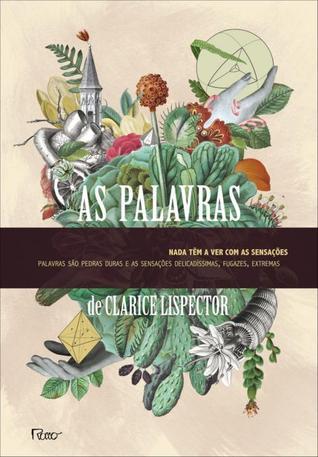



"Este es un libro como cualquier otro. Pero me sentiría contenta si fuese leído sólo por personas de alma ya formada. Aquellas que saben que la aproximación, a lo que quiera que sea, se hace gradual y penosamente – atravesando incluso lo contrario de aquello hacia lo cual nos aproximamos. Este libro nada le quita a nadie. Poco a poco una alegría difícil; pero alegría al fin. Será un libro hecho aparentemente con añicos de libro. Estos fragmentos de libro quieren decir que yo trabajo en ruinas. Tengo que ser legible casi a oscuras. Mi propia vida tiene trama verdadera. Sería la historia de la corteza de un árbol, y no del árbol. A veces en el vislumbre está la esencia de la cosa. La manera de entrar en esta escritura debe ser repentina, sin previo aviso. Estoy sintiéndome como si ya hubiera alcanzado secretamente lo que quería y continuara no sabiendo lo que alcancé. Escribo y así me libro de mí y puedo por fin descansar" (Clarice Lispector)
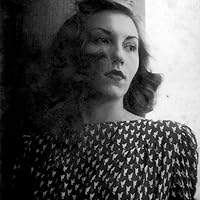
Author

Clarice Lispector was a Brazilian writer. Acclaimed internationally for her innovative novels and short stories, she was also a journalist. Born to a Jewish family in Podolia in Western Ukraine, she was brought to Brazil as an infant, amidst the disasters engulfing her native land following the First World War. She grew up in northeastern Brazil, where her mother died when she was nine. The family moved to Rio de Janeiro when she was in her teens. While in law school in Rio she began publishing her first journalistic work and short stories, catapulting to fame at age 23 with the publication of her first novel, 'Near to the Wild Heart' (Perto do Coração Selvagem), written as an interior monologue in a style and language that was considered revolutionary in Brazil. She left Brazil in 1944, following her marriage to a Brazilian diplomat, and spent the next decade and a half in Europe and the United States. Upon return to Rio de Janeiro in 1959, she began producing her most famous works, including the stories of Family Ties (Laços de Família), the great mystic novel The Passion According to G.H. (A Paixão Segundo G.H.), and the novel many consider to be her masterpiece, Água Viva. Injured in an accident in 1966, she spent the last decade of her life in frequent pain, steadily writing and publishing novels and stories until her premature death in 1977. She has been the subject of numerous books and references to her, and her works are common in Brazilian literature and music. Several of her works have been turned into films, one being 'Hour of the Star' and she was the subject of a recent biography, Why This World, by Benjamin Moser.