Margins
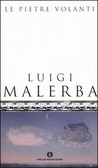
Le pietre volanti book cover
Le pietre volanti
1992
First Published
3.53
Average Rating
272
Number of Pages
Le pietre volanti – ha raccontato il suo stesso autore – è nato davanti a un quadro di Fabrizio Clerici, nel quale Malerba ha ritrovato quasi un simbolo dell’inquietudine che ne attraversa tutta l’opera artistica. Sensazione rafforzata dalle conversazioni, divaganti e profonde, con il pittore, che forniscono il pretesto iniziale al romanzo. Libro intenso, dal grande fascino, premiato con il Viareggio e il Campiello, Le pietre volanti mette in scena come protagonista-narratore proprio un pittore che racconta gli anni della sua formazione umana e professionale, la nascita di una vocazione ma anche la scoperta dell’impossibilità di avere relazioni umane, della ineluttabilità della solitudine, della vacuità insita in ogni legame e del dolore inseparabile da ogni sentimento.

Avg Rating
3.53
Number of Ratings
47
5 STARS
11%
4 STARS
47%
3 STARS
30%
2 STARS
11%
1 STARS
2%
goodreads

Author

Luigi Malerba
Luigi Malerba
Author · 16 books

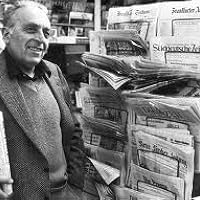
Co-founder of the Gruppo 63. Luigi Malerba (born Luigi Bonardi; November 11, 1927 – May 8, 2008) was an Italian author who wrote short stories (often written with Tonino Guerra), historical novels, and screenplays, and who co-founded the Gruppo 63, based on Marxism and Structuralism. Umberto Eco said that Malerba was defined post-modern, but that's not all true, because he is maliciously ironic, unpredictable, and ambiguous. He was one of the most important exponents of the Italian literary moviment called Neoavanguardia, along with Balestrini, Sanguineti, and Manganelli. He was the first writer to win the Prix Médicis étranger in 1970. He also won the Brancati Prize in 1979, the Grinzane Cavour Prize in 1989 (with Stefano Jacomuzzi and Raffaele La Capria), the Viareggio Prize and the Feronia Prize in 1992.

548 Market St PMB 65688, San Francisco California 94104-5401 USA
© 2026 Paratext Inc. All rights reserved