Margins


548 Market St PMB 65688, San Francisco California 94104-5401 USA
© 2026 Paratext Inc. All rights reserved

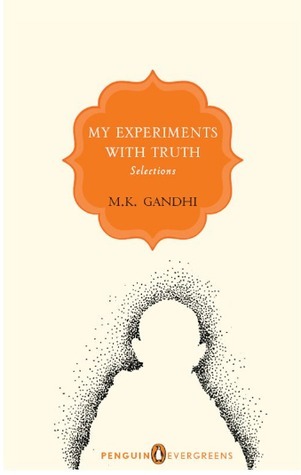
Mohandas Karamchand Gandhi, commonly known as Mahatma Gandhi, was the preeminent leader of Indian nationalism in British-ruled India. Employing non-violent civil disobedience, Gandhi led India to independence and inspired movements for non-violence, civil rights and freedom across the world. The son of a senior government official, Gandhi was born and raised in a Hindu Bania community in coastal Gujarat, and trained in law in London. Gandhi became famous by fighting for the civil rights of Muslim and Hindu Indians in South Africa, using new techniques of non-violent civil disobedience that he developed. Returning to India in 1915, he set about organizing peasants to protest excessive land-taxes. A lifelong opponent of "communalism" (i.e. basing politics on religion) he reached out widely to all religious groups. He became a leader of Muslims protesting the declining status of the Caliphate. Assuming leadership of the Indian National Congress in 1921, Gandhi led nationwide campaigns for easing poverty, expanding women's rights, building religious and ethnic amity, ending untouchability, increasing economic self-reliance, and above all for achieving Swaraj—the independence of India from British domination. His spiritual teacher was the Jain philosopher/poet Shrimad Rajchandra.
2024
Evangelio de la acción desinteresada
2020
2019
D'Ovide à Ginsberg, petit précis de la littérature végétarienne
2019
2019
2018
2018
2016
2016
2014
2014
2013
2013
2013
2012
LAS DIFICULTADES DEL ADULTO SUPERDOTADO EN LA VIDA COTIDIANA P. Usd
2012
2011
Selected Writings
2011
2010
2007
2005
2002
2000
1999
1999
Selected Writings from Mahatma Gandhi
1999
1999
1997
1997
Selected Political Writings
1996
1994
1994
1991
1987
1983
1983
1982
1977
1971
Essential Writings
1970
1965
An Anthology of His Writings on His Life, Work, and Ideas
1962
1961
1961
1959
1959
1958
1955
1955
1949