


Margins
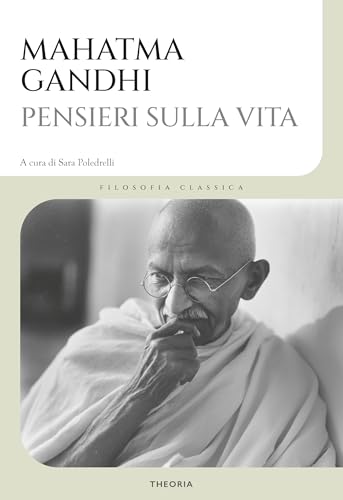
Pensieri sulla vita book cover
Pensieri sulla vita
2012
First Published
3.63
Average Rating
133
Number of Pages

“La via diritta è tanto difficile, quanto semplice. Se non fosse così, tutti la percorrerebbero” Gandhi non è stato solo l’eroe della non violenza. Formatosi a contatto con culture religiose diverse (indù, cristiana, ebraica, musulmana), non rinunciò mai – anche in virtù della sua decisiva permanenza in Europa e in Sudafrica – a una visione umanistica ed ecumenica della religione, sempre improntata all’assoluto rispetto delle diversità. Così come non rinunciò mai ad applicare alla vita quotidiana la stessa saggezza che gli consentiva di opporre la non violenza alla violenza colonizzatrice. Eccolo quindi riflettere sull’amore, sull’economia sostenibile, sull’impegno civile, sulla morte. Questo volume raccoglie i suoi pensieri più incisivi sul mistero della vita umana e sull’altro mistero, non meno profondo, che è la convivenza civile, religiosa e culturale.
Avg Rating
3.63
Number of Ratings
24
5 STARS
21%
4 STARS
33%
3 STARS
33%
2 STARS
13%
1 STARS
0%
goodreads

Author

Mahatma Gandhi
Mahatma Gandhi
Author · 56 books

Mohandas Karamchand Gandhi, commonly known as Mahatma Gandhi, was the preeminent leader of Indian nationalism in British-ruled India. Employing non-violent civil disobedience, Gandhi led India to independence and inspired movements for non-violence, civil rights and freedom across the world. The son of a senior government official, Gandhi was born and raised in a Hindu Bania community in coastal Gujarat, and trained in law in London. Gandhi became famous by fighting for the civil rights of Muslim and Hindu Indians in South Africa, using new techniques of non-violent civil disobedience that he developed. Returning to India in 1915, he set about organizing peasants to protest excessive land-taxes. A lifelong opponent of "communalism" (i.e. basing politics on religion) he reached out widely to all religious groups. He became a leader of Muslims protesting the declining status of the Caliphate. Assuming leadership of the Indian National Congress in 1921, Gandhi led nationwide campaigns for easing poverty, expanding women's rights, building religious and ethnic amity, ending untouchability, increasing economic self-reliance, and above all for achieving Swaraj—the independence of India from British domination. His spiritual teacher was the Jain philosopher/poet Shrimad Rajchandra.

548 Market St PMB 65688, San Francisco California 94104-5401 USA
© 2026 Paratext Inc. All rights reserved