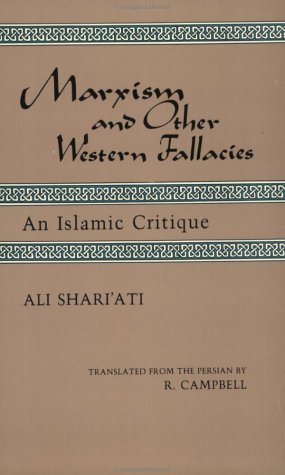



Throughout history, Shari'ati reminds us in these lectures and writings, people in search of deliverance from constricting social and intellectual systems have all too often followed influential thinkers out of one form of capivity and directly into another. He warns that great case must be taken in this day of search and upheaval to examine the prevailing movements that promise solutions for humanity. Marxism, which holds special appeal for the world's oppressed peoples and those sensitive to their suffering because of its emphasis on justice, merits particularly close scrutiny. Shari'ati analyzes its roots in materialism, its relation to the Hegelian dialectric, its preoccupation with matters of production, the sources of its diametrical opposition to Islam, Marx's objection to religion, and other crucial aspects to Marxism. But his attention is not confined to Marxism alone. He discusses the established religions, bourgeois liberalism, and existentialism, beginning with their fundamental notions of man. He examines the characteristic refusal of the major freedom-seeking movements of the nineteenth and twentieth centures to accept any spiritual dimension in man. Throughout hs inquiry, Shari'ati offers comparisons with the ideology of Islam, drawing upon the principles and precepts contained in the Qur'an as well as cultural material from the history of Islamic society. Gradually and eloquently, he expounds his persoai view of Islam as the philosophy of human liberation.
Author

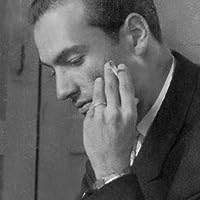
Ali Shariati was an Iranian revolutionary and sociologist who focused on the sociology of religion. He is held as one of the most influential Iranian intellectuals of the 20th century and has been called the ideologue of the Iranian Revolution. He was born in 1933 in Kahak (a village in Mazinan), a suburb of Sabzevar, found in northeastern Iran, to a family of clerics. Shariati developed fully novice approach to Shi'ism and interpreted the religion in a revolutionary manner. His interpretation of Shi'ism encouraged revolution in the world and promised salvation after death. Shariati referred to his brand of Shi'ism as "Red Shi'ism" which he contrasted with clerical-dominated, unrevolutionary "Black Shi'ism" or Safavid Shi'ism. Shariati's works were highly influenced by the Third Worldism that he encountered as a student in Paris—ideas that class war and revolution would bring about a just and classless society. He believed Shia should not merely await the return of the 12th Imam but should actively work to hasten his return by fighting for social justice, "even to the point of embracing martyrdom", saying "everyday is Ashoura, every place is Karbala." Shariati had a dynamic view about Islam: his ideology about Islam is closely related to Allama Iqbal's ideology as according to both intellectuals, change is the greatest law of nature and Islam. Persian: دکتر شریعتی در سال ۱۳۱۲ در خانواده ای مذهبی چشم به جهان گشود پدر او استاد محمد تقی شریعتی مردی پاک و پارسا و عالم به علوم .نقلی و عقلی و استاد دانشگاه مشهد بود علی پس از گذراندن دوران کودکی وارد دبستان شد و پس از شش سال وارد دانشسرای مقدماتی در مشهد شد. علاوه بر خواندن دروس دانشسرا در کلاسهای پدرش به کسب علم می پرداخت. معلم شهید پس از پایان تحصیلات در دانشسرا به آموزگاری پرداخت و کاری را شروع کرد که در تمامی دوران زندگی کوتاهش سخت به آن شوق داشت و با ایمانی خالص با تمامی وجود آنرا دنبال کرد. در سال۱۳۵۲، رژیم، حسینیهء ارشاد که پایگاه هدایت و ارشاد مردم بود را تعطیل نمود، و معلم مبارز را بمدت ۱۸ماه روانه زندان میکند و درخ خلوت و تنها ئی است که علی نگاهی به گذشته خویش میافکند و .استراتژی مبارزه را بار دیگر ورق زده و با خدای خویش خلوت میکند از این به بعد تا سال ۱۳۵۶ و هجرت ، دکتر زندگی سختی را پشت سرخ گذاشت . ساواک نقشه داشت که دکتر را به هر صورت ممکن از پا در آورد، ولی شریعتی که از این برنامه آگاه میشود ، آنرا لوث میکند. در این زمان استاد محمد تقی شریعتی را دستگیر و تحت فشار و شکنجه قرار داده بودند تا پسرش را تکذیب و محکوم کند. اما این مسلمان راستینخ سر باز زد، دکتر شریعتی در همان روزها و ساعات خود را در اختیار آنها میگذارد تا اگر خواستند، وی را از بین ببرند و پدر را رها کنند سایت هواداران انجمن دکتر شریعتی ــــــــــ فهرست مقالات ــــــــــ صفحه دکتر شریعتی http://drshariati.org