Margins
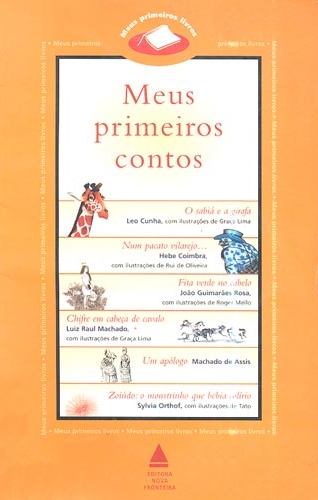
Meus Primeiros Contos book cover
Meus Primeiros Contos
2001
First Published
3.29
Average Rating
102
Number of Pages
Nesta coletânea de contos curtos, o leitor encontrará variedades de temas e estilos, em narrativas de autores que viveram em diferentes épocas. A uni-los, o talento de cada um expresso em linguagem poética, na qual a riqueza do idioma surge em cada frase, despertando o interesse de quem lê.

Avg Rating
3.29
Number of Ratings
7
5 STARS
14%
4 STARS
43%
3 STARS
14%
2 STARS
14%
1 STARS
14%
goodreads

Authors

Machado de Assis
Machado de Assis
Author · 120 books

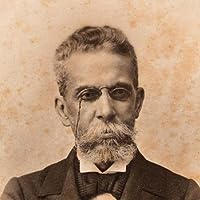
Joaquim Maria Machado de Assis, often known as Machado de Assis, Machado, or Bruxo do Cosme Velho, (June 21, 1839, Rio de Janeiro—September 29, 1908, Rio de Janeiro) was a Brazilian novelist, poet, playwright and short story writer. He is widely regarded as the most important writer of Brazilian literature. However, he did not gain widespread popularity outside Brazil in his own lifetime. Machado's works had a great influence on Brazilian literary schools of the late 19th century and 20th century. José Saramago, Carlos Fuentes, Susan Sontag and Harold Bloom are among his admirers and Bloom calls him "the supreme black literary artist to date."

João Guimarães Rosa
João Guimarães Rosa
Author · 18 books

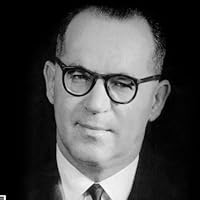
João Guimarães Rosa (27 June 1908 - 19 November 1967) was a Brazilian novelist, considered by many to be one of the greatest Brazilian novelists born in the 20th century. His best-known work is the novel Grande Sertão: Veredas (translated as The Devil to Pay in the Backlands). Some people consider this to be the Brazilian equivalent of Ulysses. Guimarães Rosa was born in Cordisburgo in the state of Minas Gerais, the first of six children of Florduardo Pinto Rosa (nicknamed "seu Fulô") and D. Francisca Guimarães Rosa ("Chiquitinha"). He was self-taught in many areas and from childhood studied many languages, starting with French before he was seven years old. Still a child, he moved to his grandparents' house in Belo Horizonte, where he finished primary school. He began his secondary schooling at the Santo Antônio College in São João del Rei, but soon returned to Belo Horizonte, where he graduated. In 1925, at only 16, he applied for what was then called the College of Medicine of Minas Gerais University. On June 27, 1930, he married Lígia Cabral Penna, a girl of only 16, with whom he had two daughters, Vilma and Agnes. In that same year he graduated and began his medical practice in Itaguara, then in the municipality of Itauna, in Minas Gerais, where he stayed about two years. It is in this town that he had his first contact with elements from the sertão (semi-arid Brazilian outback), which would serve as reference and inspiration in many of his works. Back in Itaguara, Guimarães Rosa served as a volunteer doctor of the Public Force (Força Pública) in the Constitutionalist Revolution of 1932, heading to the so-called Tunel sector in Passa-Quatro, Minas Gerais, where he came into contact with the future president Juscelino Kubitschek, at that time the chief doctor of the Blood Hospital. Later he became a civil servant through examination. In 1933, he went to Barbacena in the position of Doctor of the 9th Armed Battalion (Official Médico do 9º Batalhão de Infantaria). Most of his life was spent as a Brazilian diplomat in Europe and Latin America. In 1938 he served as assistant-Consul im Hamburg, Germany, wher he met his future second wife, the Righteous Among the Nations Aracy de Carvalho Guimarães Rosa In 1963, he was chosen by unanimous vote to enter the Academia Brasileira de Letras (Brazilian Academy of Letters) in his second candidacy. After postponing for 4 years, he finally assumed his position only in 1967: just three days before passing away in the city of Rio de Janeiro, victim of a heart attack. His masterpiece is The Devil to Pay in the Backlands. In this novel, Riobaldo, a jagunço is torn between two loves: Diadorim, supposedly another jagunço, and Otacília, an ordinary beauty from the backlands. Following his own existential quest, he contemplates making a deal with Lucifer in order to eliminate Hermogenes, his nemesis. One could say that Sertão (the backlands) represents the whole Universe and the mission of Riobaldo is to pursue its travessia, or crossing, seeking answers for the metaphysical questions faced by mankind. In this sense he is an incarnation of the classical hero in the Brazilian backlands. Guimaraes Rosa died at the summit of his diplomatic and literary career. He was 59.

Sylvia Orthof
Sylvia Orthof
Author · 5 books

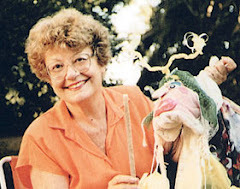
Sylvia Orthof Gostkorzewicz nasceu no Rio de Janeiro, em 1932, de pais austríacos. Ainda jovem, ingressou no Teatro do Estudante, frequentando mais tarde a Escola de Arte Dramática de Paris. Escreveu peças para teatro de bonecos e depois para teatro infantil, onde seus trabalhos ganharam concursos e prêmios. Começou a criar histórias para a revista Recreio e não parou mais. Escritora consagrada pela sua irreverência poética inesquecível, publicou mais de cem livros para crianças e jovens e teve mais de dez títulos premiados pela Fundação Nacional do Livro Infantil e Juvenil. O texto único—rico na linguagem, no enredo, na construção dos personagens e nas referências a um repertório vastíssimo —, as ilustrações, as várias narrativas possíveis, a concepção do livro e a interatividade da obra infantil de Sylvia Orthof despertam o universo lúdico, imaginário e literário de crianças e adultos. Seus personagens são especialmente ricos, mas a Fada Fofa é com certeza uma de suas melhores criações. Sylvia morreu em 1997, e seu nome figura entre os principais da literatura infantil brasileira.

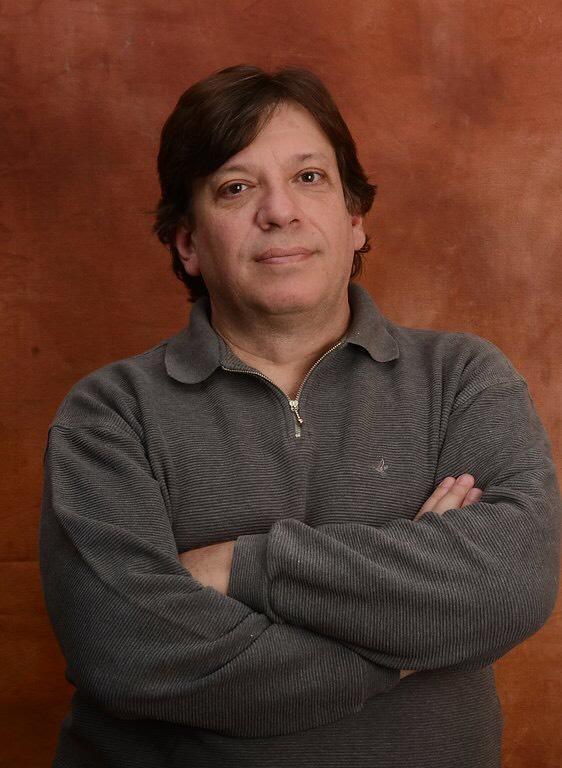
Leo Cunha
Leo Cunha
Author · 3 books

Leo Cunha nasceu em 1966, em Bocaiúva (MG), e mora em Belo Horizonte desde 1968. Filho do médico Eunápio Antunes de Oliveira e da professora Maria Antonieta Antunes Cunha. Casou-se em 1996, com a publicitária Valéria Ayres Magalhães. É pai de Sofia (nascida em 2000) e André (2008). Escreveu mais de 60 livros, entre literatura infantil e juvenil, crônicas e poesia. Também publicou contos e poemas em diversas antologias. Seus livros receberam diversos prêmios no campo da literatura infantil e juvenil, entre os quais: João-de-Barro, Jabuti, Nestlé, FNLIJ, Biblioteca Nacional, Adolfo Aizen, Concurso Nacional de Histórias Infantis do Paraná. Traduziu mais de 30 livros de literatura infantil e juvenil, do inglês e do espanhol. Escreveu 3 peças de teatro infantil: "O que você vai ser quando crescer?" (que estreou em BH em 2016), "Ëm boca fechada não entra estrela" (Porto Alegre, 2017) e "O Reino Adormecido" (Petrópolis, 2018). Escreveu dezenas de letras de músicas, em parceria com compositores como Thelmo Lins, Bernardo Rodrigues, André Abujamra, Renato Lemos, Renato Villaça, Ana Paula Miqueletti, Wagner Cosse, Zebeto Correia, Zé Campelo, Tino Freitas, Laura Delgado, Flavio Dana, entre outros. É professor universitário desde 1997. Lecionou nos cursos de Comunicação do UniBH de 1997 a 2020. Na PUC-Minas, leciona em cursos de pós-graduação desde 2002. Na Cândido Mendes, desde 2019. Em livros e periódicos acadêmicos, publicou artigos e capítulos sobre temas como literatura infantil, poesia, cinema, jornalismo e comunicação. Foi redator da Web-revista de cinema "Filmes Polvo", entre 2008 e 2012. Tem uma coluna sobre literatura infantil na revista Canguru (atualmente no site "Canguru News"), e uma coluna sobre literatura na revista Família Cristã Digital. Formou-se em Jornalismo (1991) e em Publicidade e Propaganda (1993), pela PUC-MG. É Mestre em Ciência da Informação - UFMG (1999) e Doutor em Artes pela Escola de Belas Artes - UFMG (2011)

548 Market St PMB 65688, San Francisco California 94104-5401 USA
© 2026 Paratext Inc. All rights reserved