



Powraca jeden z najzabawniejszych duetów literatury humorystycznej! Bertie Wooster i Jeeves wkraczają do akcji! Bertie jest niezbyt rozgarniętym londyńskim arystokratą, na tyle zagubionym w tajnikach dorosłego życia, że z pewnością już dawno przepadłby z kretesem, gdyby nie jego lokaj Jeeves. Ów lokaj, błyskotliwy i inteligentny, miłosiernie ratuje swojego pracodawcę ze wszystkich tarapatów dzięki temu, że posiada nad nim władzę niemal absolutną. Galerię osobliwych bohaterów powieści uzupełniają: gderliwa ciotka Agatha, chorobliwie kochliwy przyjaciel Bingo oraz dwaj kuzyni, do których określenie „żywe srebro" pasuje jak ulał. Efektem tej wybuchowej mieszanki jest humor, który z powodzeniem przetrwał ponad sto lat i doczekał się między innymi adaptacji serialowej z Hugh Lauriem w roli głównej! „Niezastąpiony Jeeves" zdobył setki tysięcy czytelników na całym świecie. Obecnie trafia na polskie półki w nowym tłumaczeniu Mirosława Śmigielskiego, który spolszczył również czeską serię o Marii Kostce – ostatniej arystokratce.
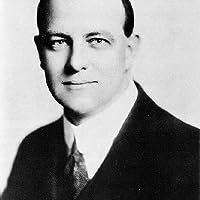
Author

Sir Pelham Grenville Wodehouse, KBE, was a comic writer who enjoyed enormous popular success during a career of more than seventy years and continues to be widely read over 40 years after his death. Despite the political and social upheavals that occurred during his life, much of which was spent in France and the United States, Wodehouse's main canvas remained that of prewar English upper-class society, reflecting his birth, education, and youthful writing career. An acknowledged master of English prose, Wodehouse has been admired both by contemporaries such as Hilaire Belloc, Evelyn Waugh and Rudyard Kipling and by more recent writers such as Douglas Adams, Salman Rushdie and Terry Pratchett. Sean O'Casey famously called him "English literature's performing flea", a description that Wodehouse used as the title of a collection of his letters to a friend, Bill Townend. Best known today for the Jeeves and Blandings Castle novels and short stories, Wodehouse was also a talented playwright and lyricist who was part author and writer of fifteen plays and of 250 lyrics for some thirty musical comedies. He worked with Cole Porter on the musical Anything Goes (1934) and frequently collaborated with Jerome Kern and Guy Bolton. He wrote the lyrics for the hit song Bill in Kern's Show Boat (1927), wrote the lyrics for the Gershwin/Romberg musical Rosalie (1928), and collaborated with Rudolf Friml on a musical version of The Three Musketeers (1928).