Margins




548 Market St PMB 65688, San Francisco California 94104-5401 USA
© 2026 Paratext Inc. All rights reserved
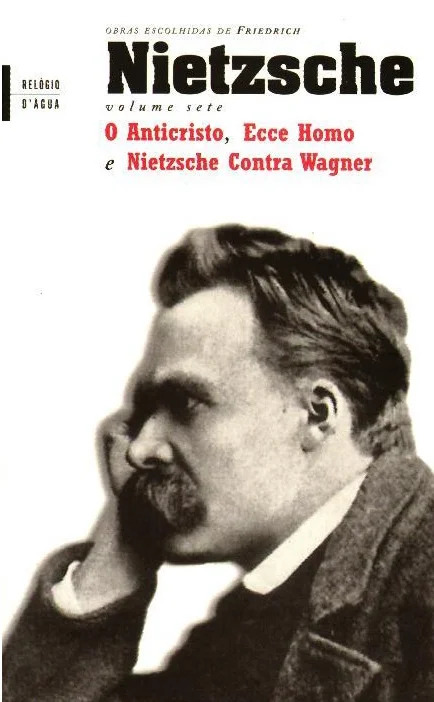
«Neste ano derradeiro da sua actividade, as grandes oposições da filosofia de Nietzsche ficam assim com contornos definitivos e para a posteridade permanecerá a figura inteira do filósofo maldito que não abdicou da talvez mais forte iconoclastia produzida pela nossa cultura contra os seus próprios fundamentos. O seu sistema de contrários pode agora resumir-se a dois pares incontornáveis: Dioniso contra Cristo e Nietzsche contra Wagner. Limitada por estes pares decorre toda a sua interpretação dos valores, da genealogia da moral, da história do cristianismo e da pulsão pelo verídico que estrutura o niilismo, a interpretação da luta contra a indiferenciação e a defesa de um tipo nobre ou a defesa da expressão global da vida.» Do Prefácio de António Marques