Margins




548 Market St PMB 65688, San Francisco California 94104-5401 USA
© 2026 Paratext Inc. All rights reserved
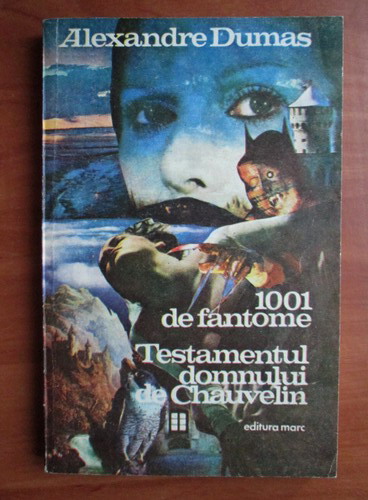
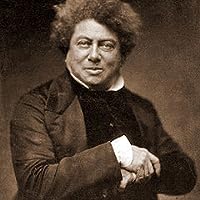
Alexandre Dumas-tatăl este un maestru al romanului romantic francez, un director de conștiință al acelui gen popular care răspundea sensibilității epocii printr-o formă artistică nouă în care domină filonul emoțional, aventura fremătătoare specifică vanității franțuzești. Acest roman a mlădiat un gust, a dat naștere unui stil în care fantezia și extravaganța se adaptează temperamentului său vital. Romancierul a realizat o comunicare morală directă cu cititorul redescoperind istoria, moravurile și faptele trecutului, vasta scenă politică a Franței croită într-un veșmânt care i-a îmbrăcat ideile și neobositul său spirit imaginativ. Written at the height of the 1848 revolutions, Alexandre Dumas’ One Thousand and One Ghosts is a macabre collection of supernatural tales, told with unrelenting detail and almost unbearable suspense. Paralyzed with fear, a man confesses to the murder of his wife, and rather than return to the scene of the crime, begs to be locked in prison. As the police probe further, they learn the ghastly truth—that in a fit of fury, the man decapitated his wife, only to see the detached head turn around and whisper to him. Gathering together to decide whether such “deathly activity” is, in fact, possible, a doctor, a priest, and the police in turn tell their own tales of ghostly activity. The result is one of the most remarkable collections of supernatural stories ever written. French novelist and playwright Alexandre Dumas was a key figure in Romantic theater; his most famous works are The Three Musketeers and The Count of Monte Cristo.