Margins
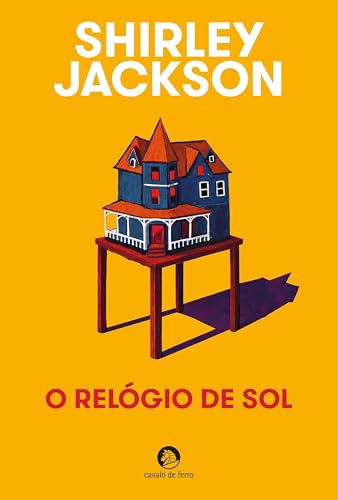
O Relógio de Sol book cover
O Relógio de Sol
2026
First Published
4.00
Average Rating
276
Number of Pages
A Imponente Mansão Da Família Halloran Ergue-Se Isolada No Meio De Uma Extensa Propriedade. No Seu Jardim Encontra-Se Um Relógio De Sol De Pedra Branca Com A Premonitória Inscrição De Que Vale Este Mundo? Após A Morte Suspeita Do Filho De Orianna Halloran, A Despótica Matriarca, A Peculiar Tia Fanny Recebe Uma Mensagem Sobrenatural Do Seu Falecido Pai Anunciando Que O Mundo Será Destruído Numa Noite De Catástrofe Nunca Vista E Que Apenas Os Habitantes Da Mansão Serão Salvos. Convencidos De Que O Futuro Da Humanidade Está Nas Suas Mãos, Toda A Família, Empregados E Hóspedes Preparam-Se Para O Novo Mundo Que Há-De Vir Num Ambiente Sufocante De Intriga, Medo, Violência E Crescente Paranóia. Nesta Apocalíptica Comédia De Costumes E Hilariante Sátira Social, Shirley Jackson, Nome Maior Do Gótico Literário, Cria, Por Meio De Um Terror Subtil E Psicológico, Um Mundo Movido Por Tensões Familiares, Personagens Grotescas E Acontecimentos Sobrenaturais Onde O Maior Perigo Não Vem De Fora Mas De Dentro.

Avg Rating
4.00
Number of Ratings
2
5 STARS
50%
4 STARS
0%
3 STARS
50%
2 STARS
0%
1 STARS
0%
goodreads

Author

Shirley Jackson
Shirley Jackson
Author · 91 books

Shirley Jackson was an influential American author. A popular writer in her time, her work has received increasing attention from literary critics in recent years. She has influenced such writers as Stephen King, Nigel Kneale, and Richard Matheson. She is best known for her dystopian short story, "The Lottery" (1948), which suggests there is a deeply unsettling underside to bucolic, smalltown America. In her critical biography of Shirley Jackson, Lenemaja Friedman notes that when Shirley Jackson's story "The Lottery" was published in the June 28, 1948, issue of The New Yorker, it received a response that "no New Yorker story had ever received." Hundreds of letters poured in that were characterized by, as Jackson put it, "bewilderment, speculation and old-fashioned abuse." Jackson's husband, the literary critic Stanley Edgar Hyman, wrote in his preface to a posthumous anthology of her work that "she consistently refused to be interviewed, to explain or promote her work in any fashion, or to take public stands and be the pundit of the Sunday supplements. She believed that her books would speak for her clearly enough over the years." Hyman insisted the darker aspects of Jackson's works were not, as some critics claimed, the product of "personal, even neurotic, fantasies", but that Jackson intended, as "a sensitive and faithful anatomy of our times, fitting symbols for our distressing world of the concentration camp and the Bomb", to mirror humanity's Cold War-era fears. Jackson may even have taken pleasure in the subversive impact of her work, as revealed by Hyman's statement that she "was always proud that the Union of South Africa banned The Lottery', and she felt that they at least understood the story". In 1965, Jackson died of heart failure in her sleep, at her home in North Bennington Vermont, at the age of 48.

548 Market St PMB 65688, San Francisco California 94104-5401 USA
© 2026 Paratext Inc. All rights reserved