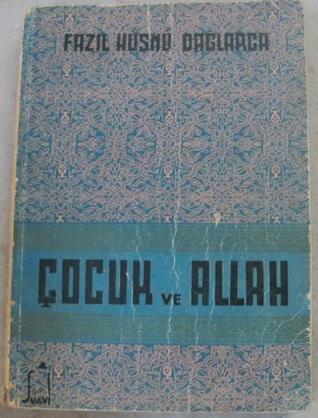



Çocuk ve Allah Türk şiirinin en özgün, dil ve yapı bütünlüğü bakımından en sağlam yapıtlarından biri. Türk edebiyatında çok az kitap böylesine kalıcı bir yer edinmiş, neredeyse yazarını aşan bir üne ulaşmıştır. Bin yıllık Türk şiirinin son yüzyıldaki evrensel verimlerinden biri olarak varlığını sürdürüyor Çocuk ve Allah. İnsanın evrendeki yerini, doğanın görkemi karşısındaki sarsılış ve duyuşlarını zengin, çocuksu bir düşgücüyle, şaşırtıcı bir duyarlıkla dile getiriyor şair. Yayımlanışının 70. yılında yerini iyice perçinlemiş bu kitabı, Fazıl Hüsnü Dağlarca’nın Toplu Şiirler’inden ayrı, özel bir baskıyla taçlandırıyoruz.
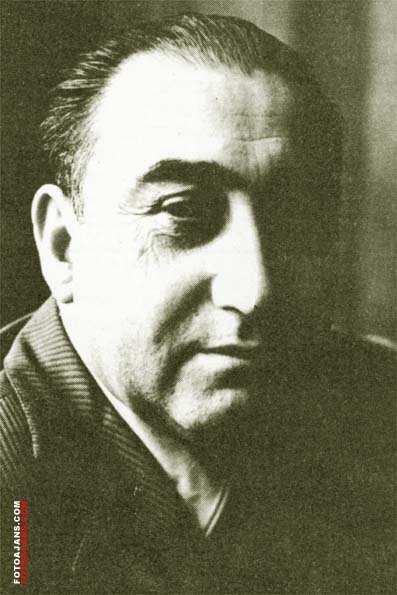
Author

Fazıl Hüsnü Dağlarca was born in 1914, in Istanbul. He graduated from Military Academy, and after fifteen years of service, he left the Turkish Armed Forces in 1950. Between 1952 and 1960, he was employed as an inspector; he retired in 1959 and dedicated himself to composing poetry. However, Dağlarca’s relationship with literature is rooted in his earliest ages. His literary career was launched at age thirteen, as he won first place in a story contest for students. Fazıl Hüsnü Dağlarca’s poems concentrated on the relationship between the human being and the cosmos, and on the relationship between nature and the supernatural. Yet, the poetry volumes that he published in the 1950s took a different twist and portrayed the relationship between the individual and society, and the relationship between the individual and nature. During the 1960s, social changes that took place in the country caught up with him, and he became increasingly sensitive to domestic and international issues, and aware of national interests. In his poems, he took a stance against exploitation, condemned imperialism, and sympathized with the struggle of abused peoples.