Margins
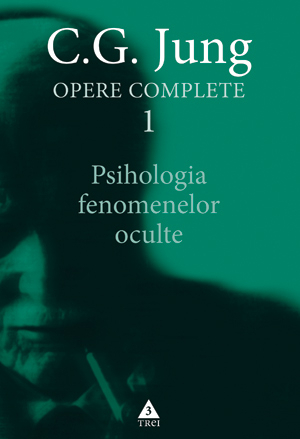
Opere complete - vol. 1 - Psihologia fenomenelor oculte book cover
Opere complete - vol. 1 - Psihologia fenomenelor oculte
1995
First Published
3.80
Average Rating
263
Number of Pages
In pofida opiniei comune, care trateaza fenomenele oculte cu un zambet dispretuitor, stradania mea prezinta numeroasele lor legaturi cu domeniile medicinei si psihologiei, precum si numeroasele intrebari pe care le ridica pentru noi acest domeniu necercetat, scria Jung in principalul studiu al prezentului volum, dedicat analizei unei experiente spiritiste.Asa cum Freud a reabilitat nevroza si visul ca surse pentru cunoasterea psihicului sanatos, Jung arata interes stiintific nu numai pentru spiritism si fenomenele oculte, ci si pentru alte domenii marginalizate de stiinta oficiala a epocii, cum ar fi astrologia si alchimia. De asemenea nebunia (psihoza) devine pentru psihiatrul si analistul elvetian sursa principala a descoperirii inconstientului colectiv.***Sunt fenomenele oculte, astrologia, alchimia incompatibile cu stiinta? Lucrarea de doctorat a lui Jung, care constituie principala piesa a volumului de fata, contine un net raspuns negativ. Manifestarile stranii ale mediului spiritist de cincisprezece ani si jumatate primesc de fiecare data o surprinzatoare explicatie psihologica.***Inca inainte de a-l cunoaste pe Freud si opera sa, Jung schitase o conceptie despre inconstient. Termenul complex, a carui paternitate ii apartine, menit unei glorioase cariere in interiorul si in afara psihanalizei, apare chiar in scrierile sale timpurii. Tot aici intalnim si cateva dintre laitmotivele operei toate ideile noi si creativitatea spirituala in genere isi au originea in inconstient.

Avg Rating
3.80
Number of Ratings
35
5 STARS
11%
4 STARS
60%
3 STARS
26%
2 STARS
3%
1 STARS
0%
goodreads

Author

Carl Jung
Carl Jung
Author · 115 books

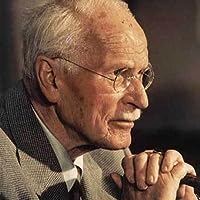
Carl Gustav Jung (/jʊŋ/; German: [ˈkarl ˈɡʊstaf jʊŋ]), often referred to as C. G. Jung, was a Swiss psychiatrist and psychotherapist who founded analytical psychology. Jung proposed and developed the concepts of extraversion and introversion; archetypes, and the collective unconscious. His work has been influential in psychiatry and in the study of religion, philosophy, archeology, anthropology, literature, and related fields. He was a prolific writer, many of whose works were not published until after his death. The central concept of analytical psychology is individuation—the psychological process of integrating the opposites, including the conscious with the unconscious, while still maintaining their relative autonomy. Jung considered individuation to be the central process of human development. Jung created some of the best known psychological concepts, including the archetype, the collective unconscious, the complex, and synchronicity. The Myers-Briggs Type Indicator (MBTI), a popular psychometric instrument, has been developed from Jung's theory of psychological types. Though he was a practising clinician and considered himself to be a scientist, much of his life's work was spent exploring tangential areas such as Eastern and Western philosophy, alchemy, astrology, and sociology, as well as literature and the arts. Jung's interest in philosophy and the occult led many to view him as a mystic, although his ambition was to be seen as a man of science. His influence on popular psychology, the "psychologization of religion", spirituality and the New Age movement has been immense.

548 Market St PMB 65688, San Francisco California 94104-5401 USA
© 2025 Paratext Inc. All rights reserved