Margins




548 Market St PMB 65688, San Francisco California 94104-5401 USA
© 2026 Paratext Inc. All rights reserved
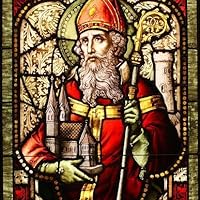
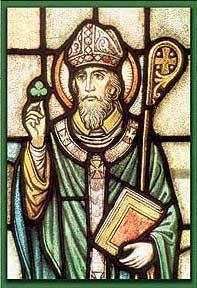
(born perhaps 389) Christian missionary Saint Patrick serves as patron saint of Ireland. People most generally recognize Saint Patrick (Latin: Patricius; Primitive Irish: *Qatrikias; Old Irish: Cothraige), a Romano-Briton, although Brigid of Kildare and Colmcille are also formally patron saints. Two authentic letters survive, from which come the only universally accepted details of his life. From Britain, Irish raiders captured Patrick, then about 16 years of age circa 415, and took him as a slave to Ireland, where he lived for six years before he escaped circa 421 and returned to his family. After entering the Church, he returned to Ireland as an ordained bishop in the north and west of the island, but little is known about the places where he worked. People came to revere him as the patron saint of Ireland before the 7th century. Patrick and the other early missionaries had tried to establish the diocesan model, but after his time, the Irish monastery system evolved, and the Irish church developed otherwise. From the 7th century onwards, later hagiographies, now not accepted without detailed criticism, provide most available details of his life. Uncritical acceptance of the Annals of Ulster implies that he lived from 340, ministered from 428 onwards in modern day Northern Ireland, and died in 440. We cannot fix the dates of life of Patrick with certainty, but on a widespread interpretation, he actively missioned Ireland during the second half of the 5th century. People in and outside Ireland celebrate Saint Patrick's Day, supposedly that of his rebirth unto eternal life, on 17 March as a liturgical and secular holiday. In the dioceses of Ireland, it is both a solemnity and a holy day of obligation and outside of Ireland, it can celebrate the Emerald Isle.
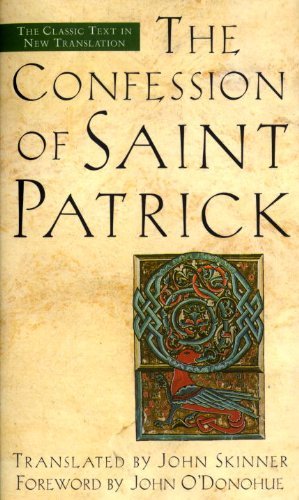
2007
2026

1972
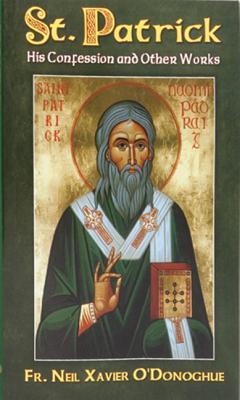
His Confession and Other Works
2007
425
With the Tripartite Life, and Epistle to the Soldiers of Coroticus
1978
Hymn on St. Patrick
1953