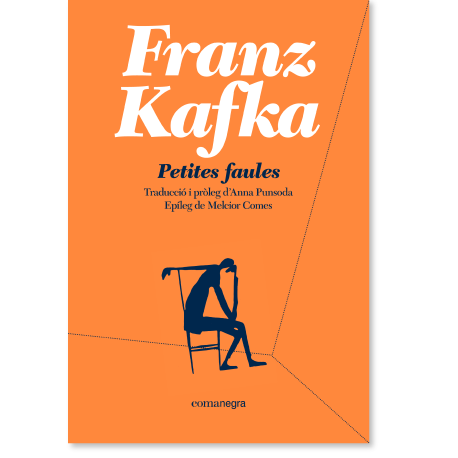



Una acurada selecció dels millors contes de Franz Kafka, un dels autors més insòlits de la història de la literatura, amb una nova traducció d'Anna Punsoda i un epíleg de Melcior Comes. Conté també alguns dels dibuixos del mateix Kafka. Amb aquest llibre continua la col·lecció "Portàtils" iniciada amb els Contes portàtils de Pere Calders. «Kafka et fa riure, sentir i rascar-te per tot el cos. Kafka et canvia; llegir-lo encara és una experiència no equiparable a la de cap altre escriptor. Els nous territoris de la sensibilitat i del coneixement, també del pensament en el cas de Kafka, tot allò que Kafka t’ensenya a veure dintre teu i no veies abans, perquè t’ha fet una llum única i fràgil però insubstituïble, és la marca d’allò kafkià». — De l'epíleg de Melcior Comes.
Author

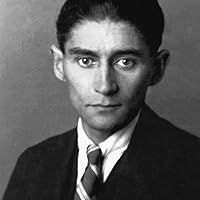
Prague-born writer Franz Kafka wrote in German, and his stories, such as " The Metamorphosis " (1916), and posthumously published novels, including The Trial (1925), concern troubled individuals in a nightmarishly impersonal world. Jewish middle-class family of this major fiction writer of the 20th century spoke German. People consider his unique body of much incomplete writing, mainly published posthumously, among the most influential in European literature. His stories include "The Metamorphosis" (1912) and " In the Penal Colony " (1914), whereas his posthumous novels include The Trial (1925), The Castle (1926) and Amerika (1927). Despite first language, Kafka also spoke fluent Czech. Later, Kafka acquired some knowledge of the French language and culture from Flaubert, one of his favorite authors. Kafka first studied chemistry at the Charles-Ferdinand University of Prague but after two weeks switched to law. This study offered a range of career possibilities, which pleased his father, and required a longer course of study that gave Kafka time to take classes in German studies and art history. At the university, he joined a student club, named Lese- und Redehalle der Deutschen Studenten, which organized literary events, readings, and other activities. In the end of his first year of studies, he met Max Brod, a close friend of his throughout his life, together with the journalist Felix Weltsch, who also studied law. Kafka obtained the degree of doctor of law on 18 June 1906 and performed an obligatory year of unpaid service as law clerk for the civil and criminal courts. Writing of Kafka attracted little attention before his death. During his lifetime, he published only a few short stories and never finished any of his novels except the very short "The Metamorphosis." Kafka wrote to Max Brod, his friend and literary executor: "Dearest Max, my last request: Everything I leave behind me ... in the way of diaries, manuscripts, letters (my own and others'), sketches, and so on, [is] to be burned unread." Brod told Kafka that he intended not to honor these wishes, but Kafka, so knowing, nevertheless consequently gave these directions specifically to Brod, who, so reasoning, overrode these wishes. Brod in fact oversaw the publication of most of work of Kafka in his possession; these works quickly began to attract attention and high critical regard. Max Brod encountered significant difficulty in compiling notebooks of Kafka into any chronological order as Kafka started writing in the middle of notebooks, from the last towards the first, et cetera. Kafka wrote all his published works in German except several letters in Czech to Milena Jesenská.