Margins
Sign in
Margins
548 Market St PMB 65688, San Francisco California 94104-5401 USA
hello@margins.app
·
+1 (650) 223-5283
Privacy Policy
·
Terms of Use
© 2026 Paratext Inc. All rights reserved
Pilandok
Pilandok
Series · 5 books · 1994-2001
By
Virgilio S. Almario
,
Kora Dandan-Albano
Books in series
#1
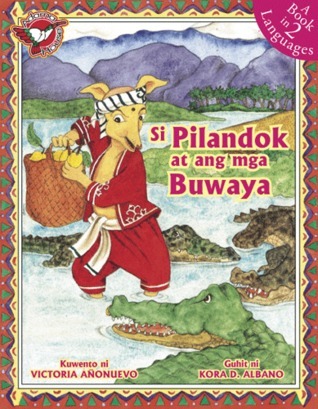
Si Pilandok At Ang Mga Buwaya
1994
Here is another one of wily Pilandok’s adventures! In this folktale, Pilandok has to cross a river that is guarded by alligators. What will our hero do this time? Narito ang isa pang nakatutuwang pakikipagsapalaran ni Pilandok. Sa kuwentong bayang ito, kailangan niyang tumawid sa isang ilog na binabantayan ng mababangis ng mga buwaya. Ano kaya ang gagawin ng ating bayani para makaligtas?
#2
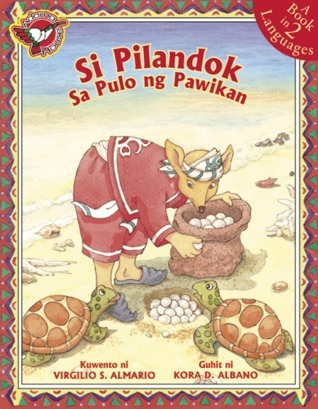
Si Pilandok sa Pulo ng Pawikan
2001
This tale in the Pilandok series of adventures is not only a show of our folk hero’s trademark cleverness but also of his concern for the environment. Pilandok once again battles the scheming Datu Usman who threatens the existence of pawikans.
Ipinapakita sa kuwentong ito sa serye ng mga pakikipagsapalaran ni Pilandok hindi lamang ang kaniyang bantog na katalinuhan, ngunit pati ang kaniyang malasakit sa kalikasan. Lalabanan muli ni Pilandok ang ganid na si Datu Usman na nagtatangka sa buhay ng mga pawikan.
#3
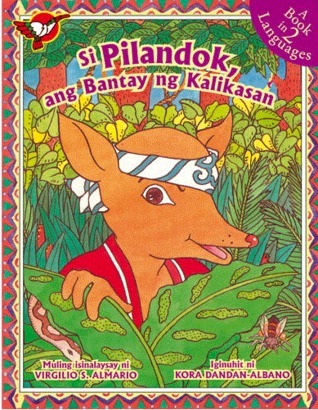
Si Pilandok, ang Bantay ng Kalikasan
1998
Pilandok took it upon himself to protect the forest against the abusive followers of his arch-enemy Datu Usman. Pilandok forbade the indiscriminate cutting of trees and this further angered the greedy ruler. Here, our clever hero tries to use his familiarity with nature to outwit the soldiers.
Nagpasiya si Pilandok na ipagtanggol ang gubat labn sa pang-aabuso ng mga tao ng kaniyang kalabang si Datu Usman. Ipinagbawal ni Pilandok ang walang pigil na pagputol ng mga puno, na ikinagalit lalo ng sakim na pinuno. Dito, sinubok ni Pilandok gamitin ang kaalaman niya sa kalikasan para mautakan ang mga sundalo.
#4
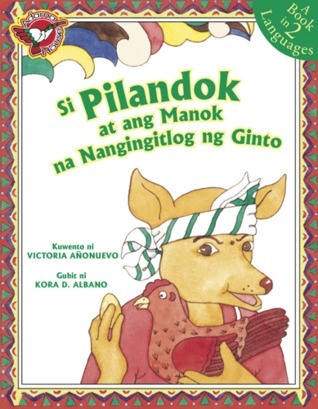
Si Pilandok at Ang Manok na Nangingitlog ng Ginto
1995
Pilandok is a well-loved folk hero especially popular in the Muslim areas. His name is the Filipino equivalent for the mousedeer. In folk tales, Pilandok is portrayed as a clever creature who loves to play tricks—and his tricks often land him in difficult situations! However, it is also because of his wit that he is saved, unscathed, every time.
Isang kilalang tauhan si Pilandok sa mga kuwentong bayan ng Timog, lalo na sa lugar ng mga Muslim. Ang kaniyang pangalan ay ang salin para sa ‘mouse deer.’ Sa mga kuwentong bayan, si Pilandok ay matalino at palabiro kaya’t malimit siyang nalalagay sa panganib. Ngunit, ang kaniyang katalinuhan din ang sumasagip sa kaniya.
#5
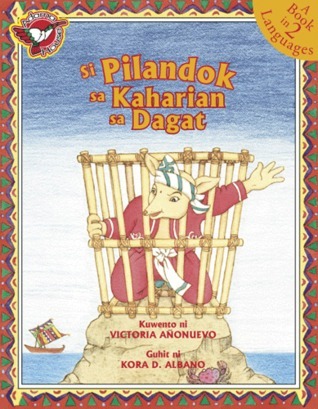
Si Pilandok sa Kaharian sa Dagat
1998
This is one of Pilandok’s adventures. This time, the selfish Datu Usman has sentenced him to drown in the sea. How is he going to use his wits to escape now?
Ito ay isa sa mga pakikipagsapalaran ni Pilandok. Sa pagkakataong ito ay pinatawan siya ng sakim na Datu Usman ng parusang malunod sa dagat. Paano kaya niya gagamitin ngayon ang kaniyang katalinuhan para makatakas?
Authors
Virgilio S. Almario
Author · 50 books
Kora Dandan-Albano
Author · 2 books