Margins




548 Market St PMB 65688, San Francisco California 94104-5401 USA
© 2026 Paratext Inc. All rights reserved
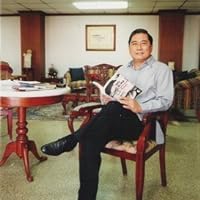
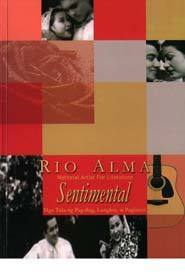
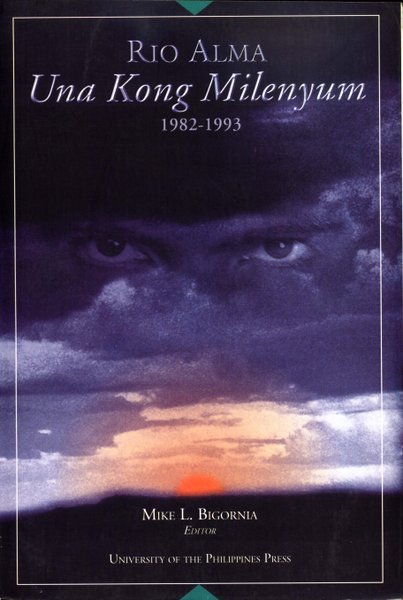
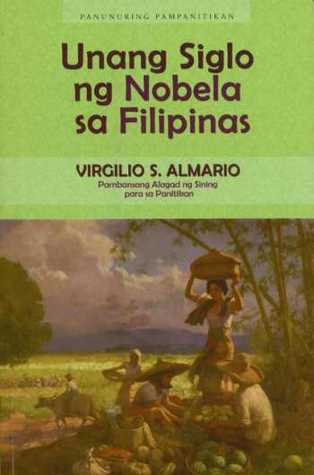
Virgilio S. Almario, better known by his pen name, Rio Alma, is a Filipino artist, poet, critic, translator, editor, teacher, and cultural manager. He is a National Artist of the Philippines. Growing up in Bulacan among peasants, Almario sought his education in Manila and completed his degree in A.B. Political Science at the University of the Philippines. A prolific writer, he spearheaded the second successful modernist movement in Filipino poetry together with Rogelio G. Mangahas and Lamberto E. Antonio. His earliest pieces of literary criticism were collected in Ang Makata sa Panahon ng Makina (1972), now considered the first book of literary criticism in Filipino. Later, in the years of martial law, he set aside modernism and formalism and took interest in nationalism, politics and activist movement. As critic, his critical works deal with the issue of national language. Aside from being a critic, Almario engaged in translating and editing. He has translated the best contemporary poets of the world. He has also translated for theater production the plays of Nick Joaquin, Bertolt Brecht, Euripedes and Maxim Gorki. Other important translations include the famous works of the Philippines' national hero, José Rizal, namely Noli Me Tangere and El Filibusterismo. It was deemed as the best translation by the Manila Critics Circle. Almario has been a recipient of numerous awards such as several Palanca Awards, two grand prizes from the Cultural Center of the Philippines, the Makata ng Taon of the Komisyon sa Wikang Filipino, the TOYM for literature, and the Southeast Asia Write Award of Bangkok. He was an instructor at the Ateneo de Manila University from 1969-1972. He only took his M.A. in Filipino in 1974 in the University of the Philippines. In 2003, he was appointed Dean of the College of Arts and Letters in the said university. In June 25 of the same year, he was proclaimed National Artist for Literature. Almario is also the founder and workshop director of the Linangan sa Imahen, Retorika, at Anyo (LIRA), an organization of poets who write in Filipino. Award-winning writers and poets such as Roberto and Rebecca Añonuevo, Romulo Baquiran Jr., Michael Coroza, Jerry Gracio, and Vim Nadera are but some of the products of the LIRA workshop.
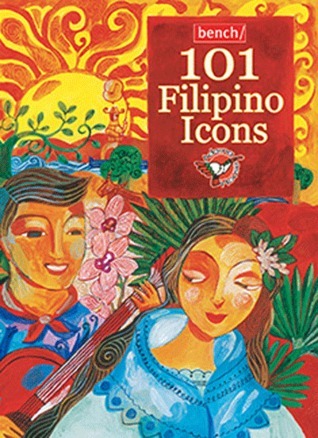
2007
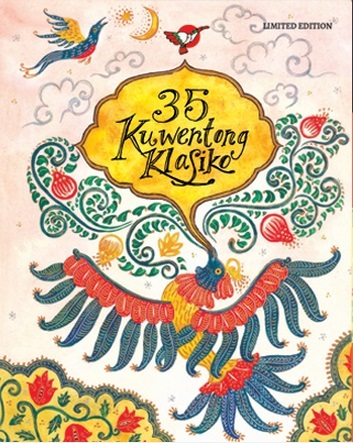
2015
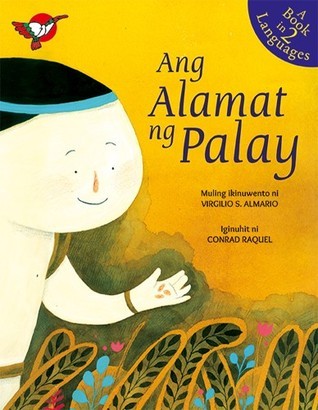
2012
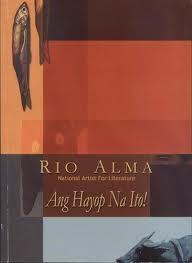
2004
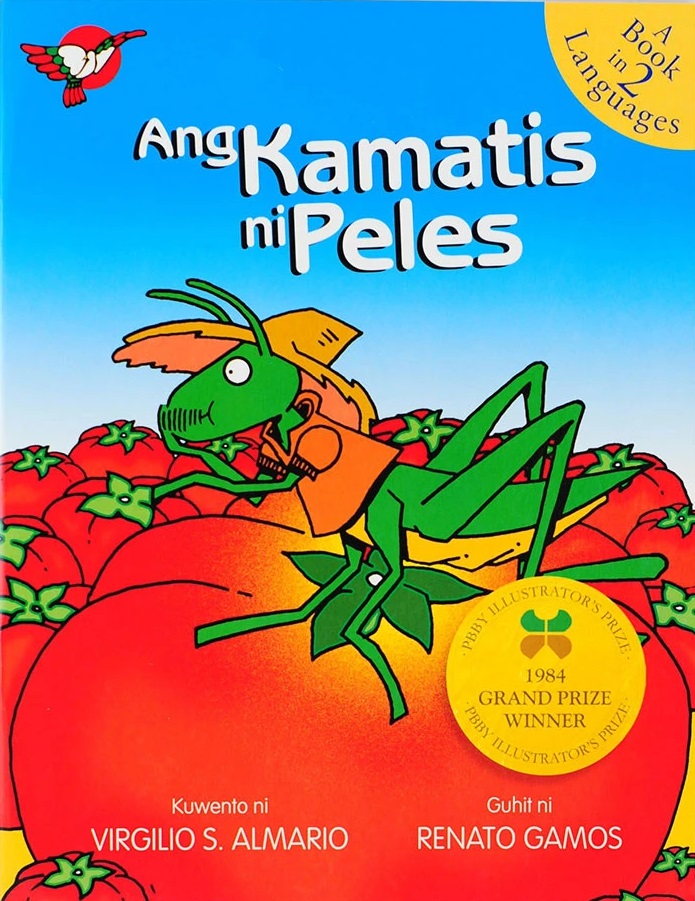
1985
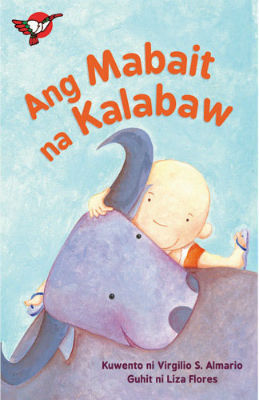
2005
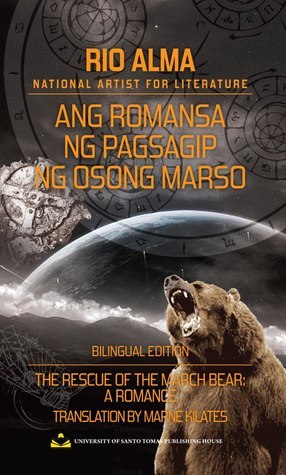
2013
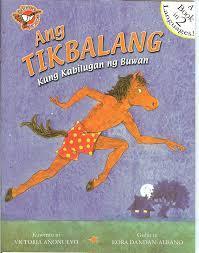
2004
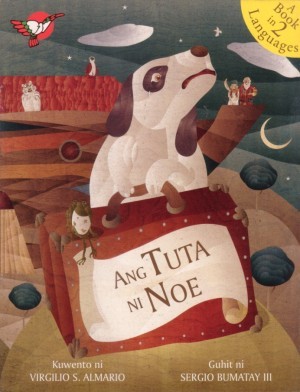
2010
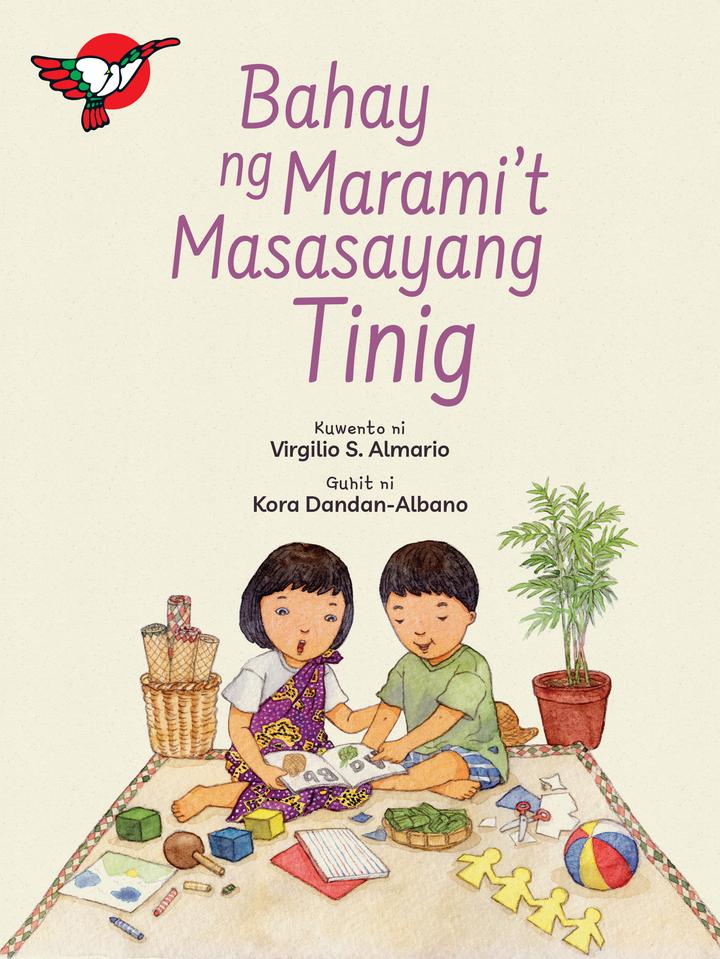
2002
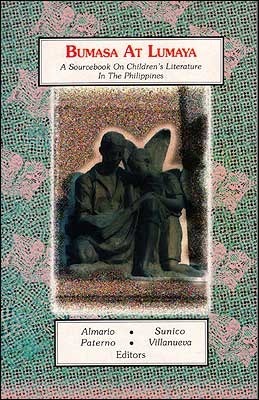
A Sourcebook on Children's Literature in the Philippines
1994
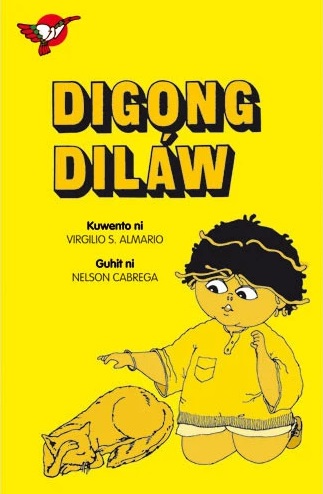
2003
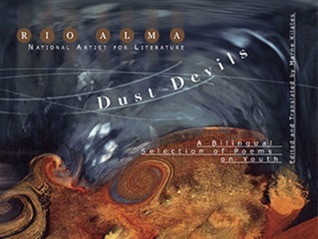
2005
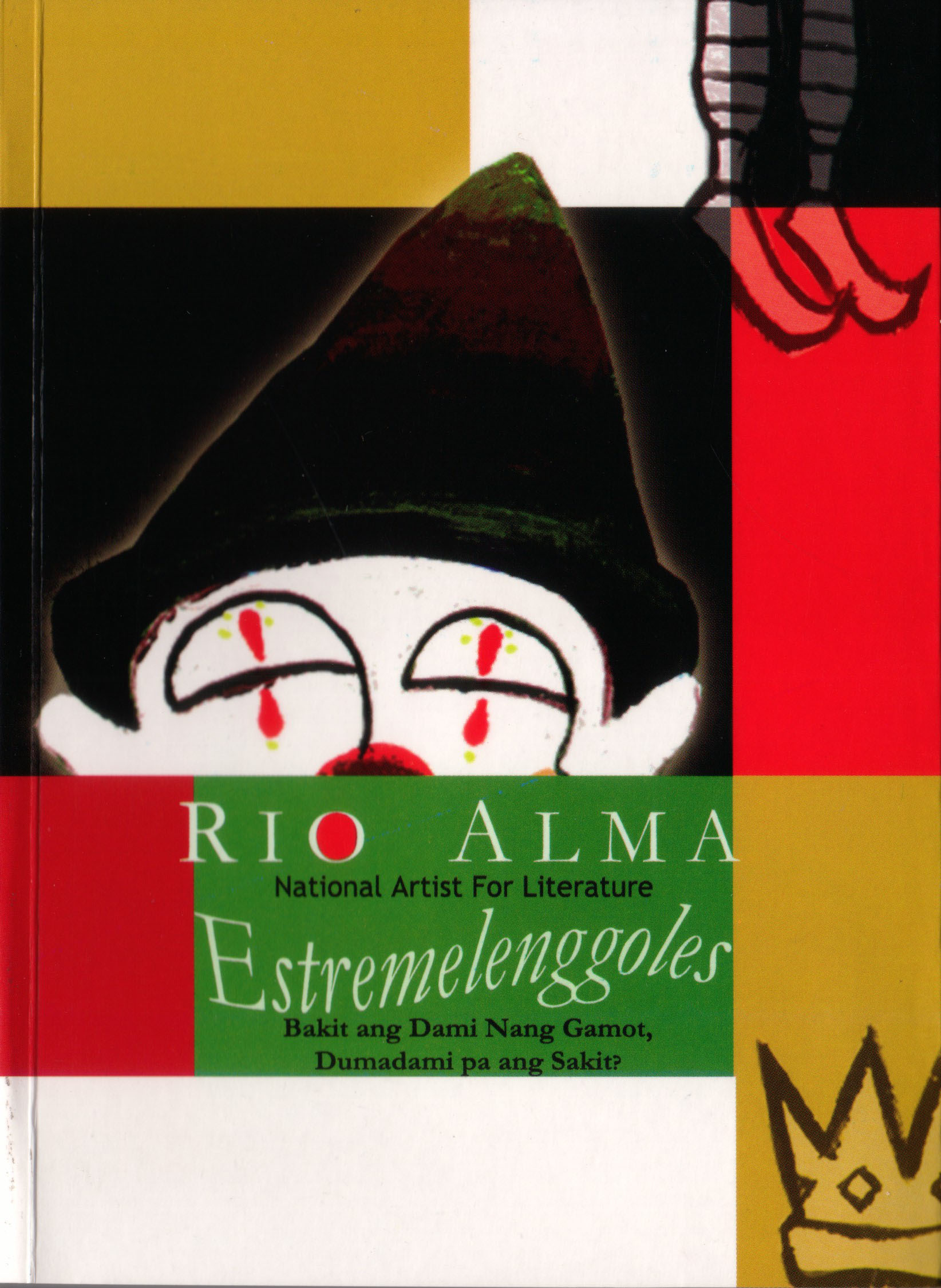
2004
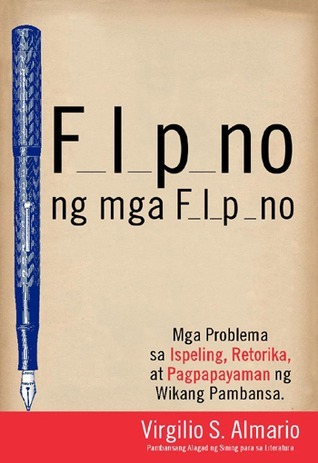
Mga Problema sa Ispeling, Retorika, at Pagpapayaman ng Wikang Pambansa
1993
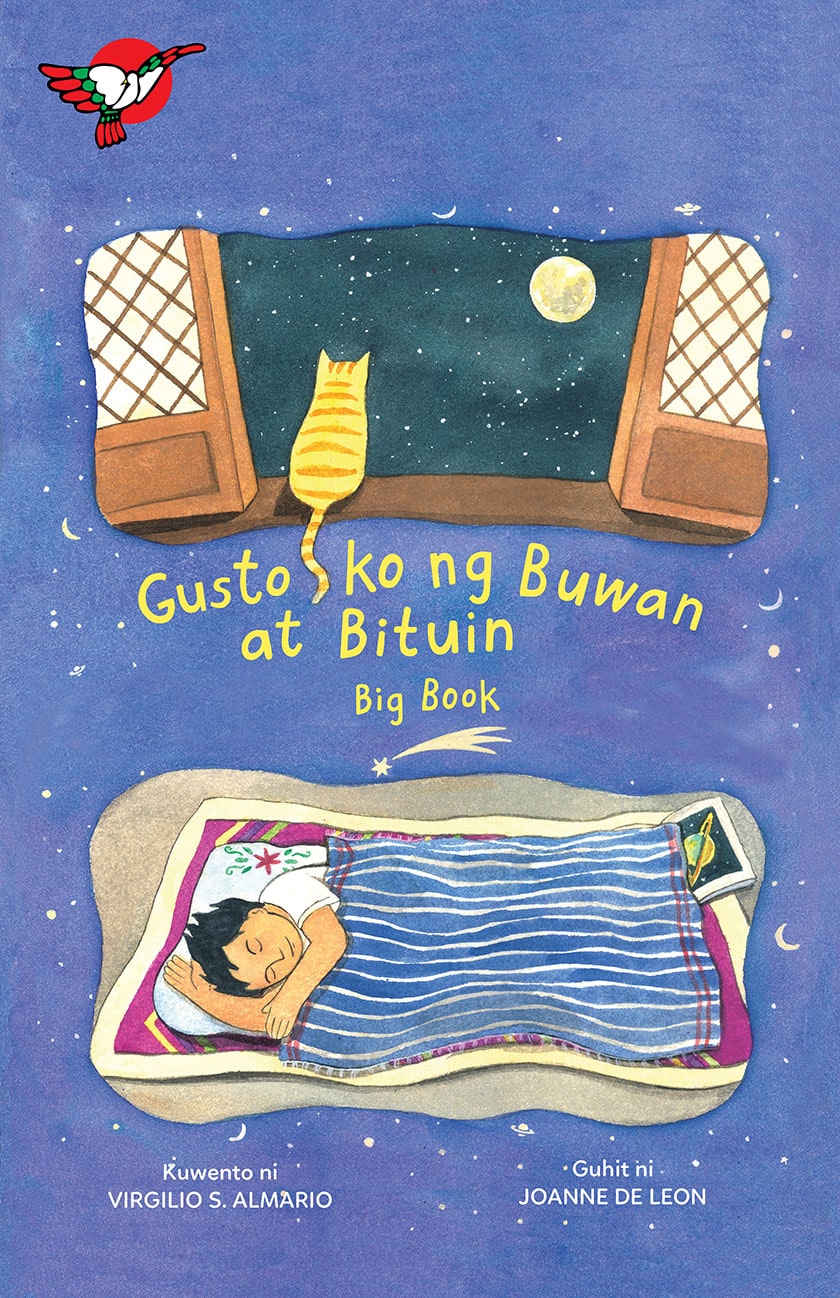
1995
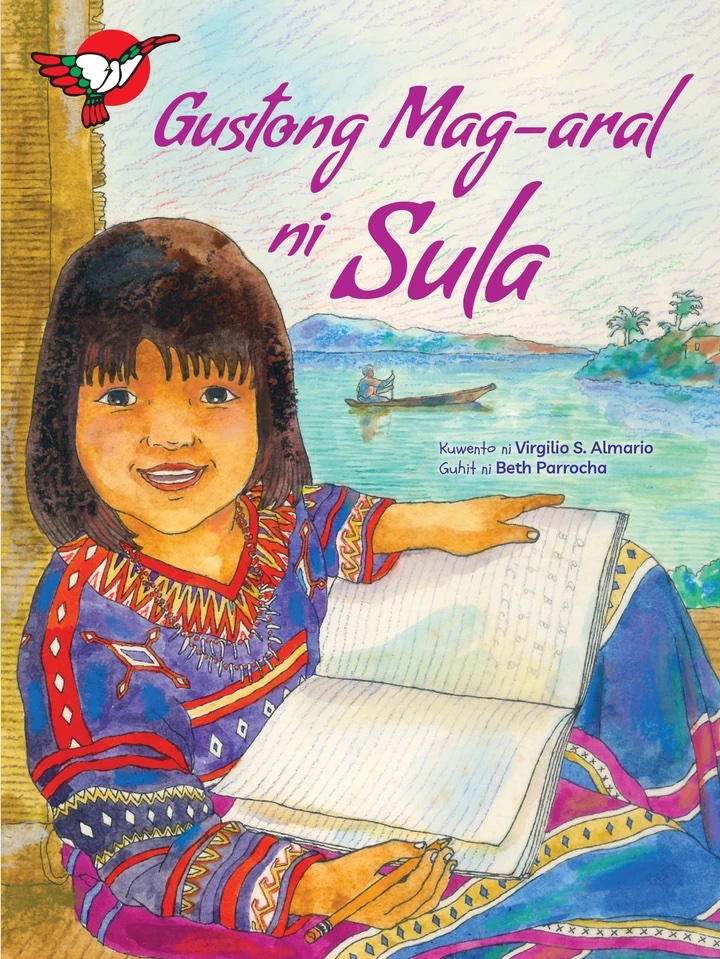
2002
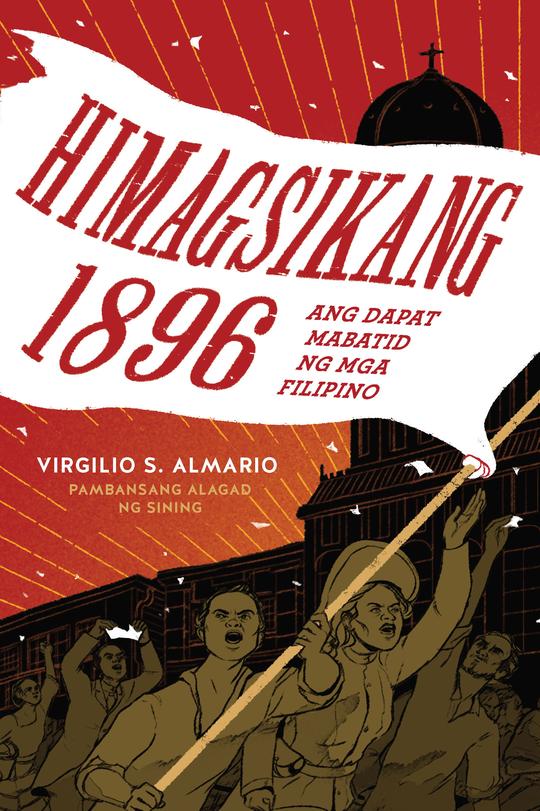
Ang Dapat Mabatid ng mga Filipino
2021
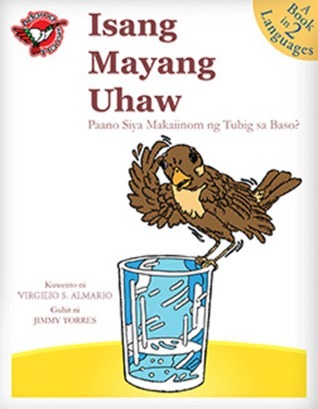
Paano Siya Makaiinom ng Tubig sa Baso?
1993
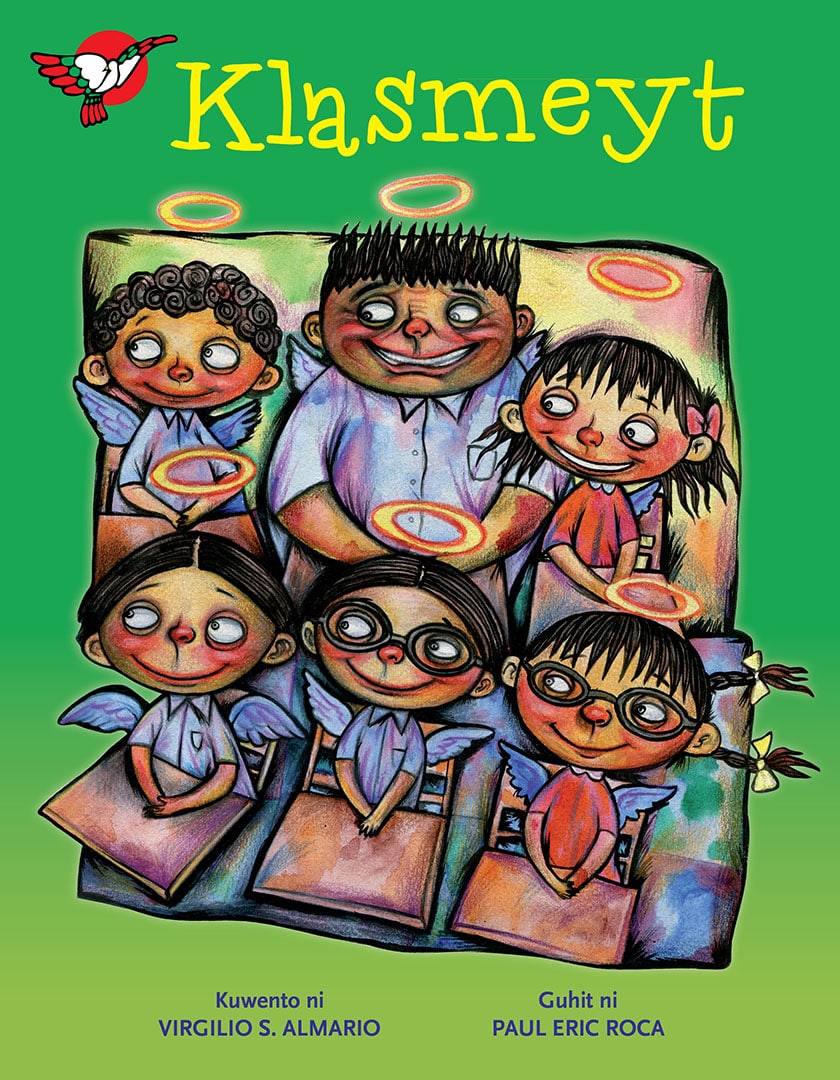
2026
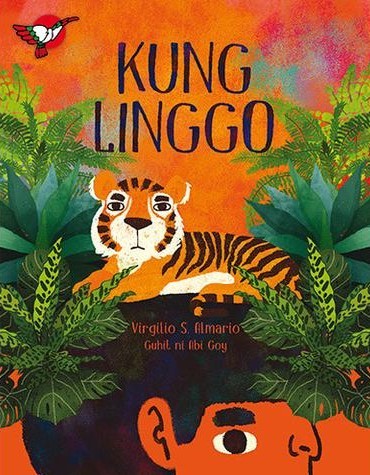
2015

2014
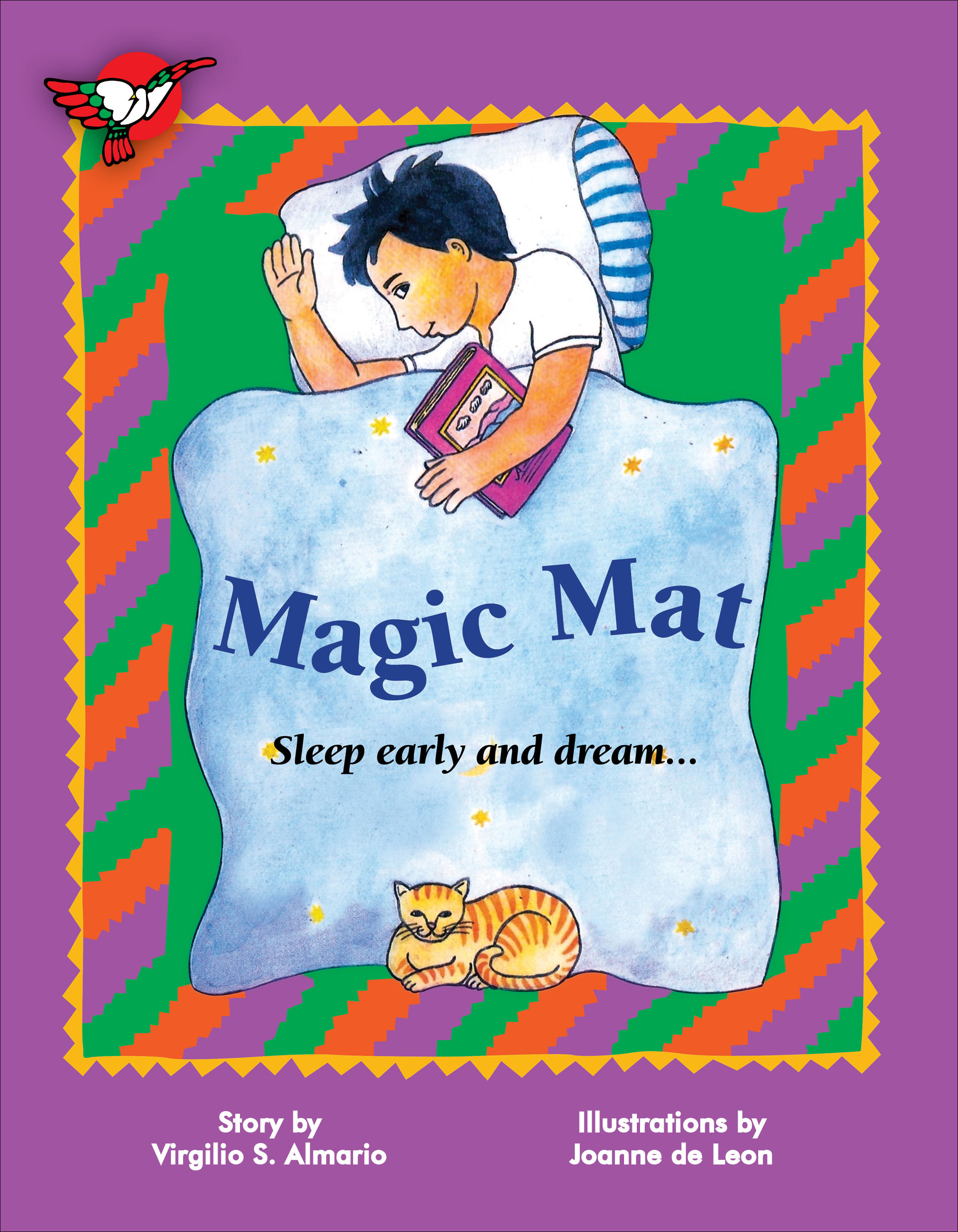
2019
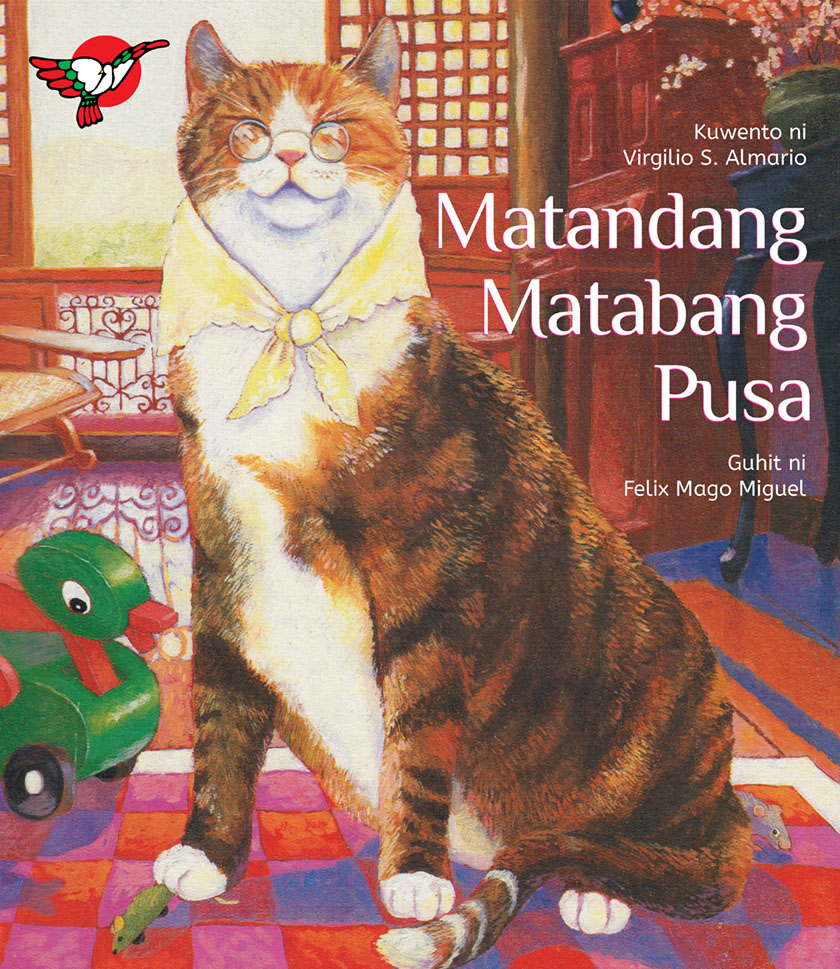
2017
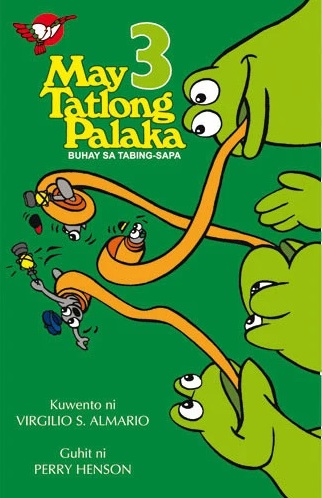
2003
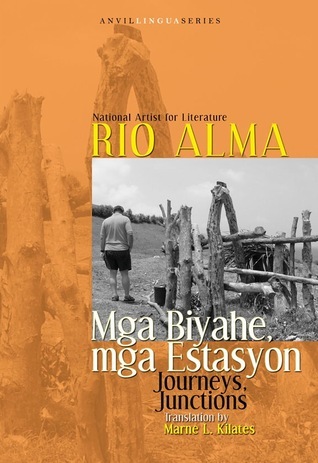
2008
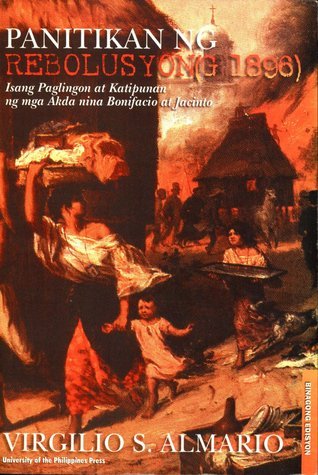
Isang Paglingon at Katipunan ng mga Akda nina Bonifacio at Jacinto
1993
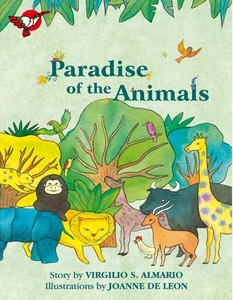
2004
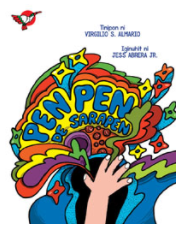
2026
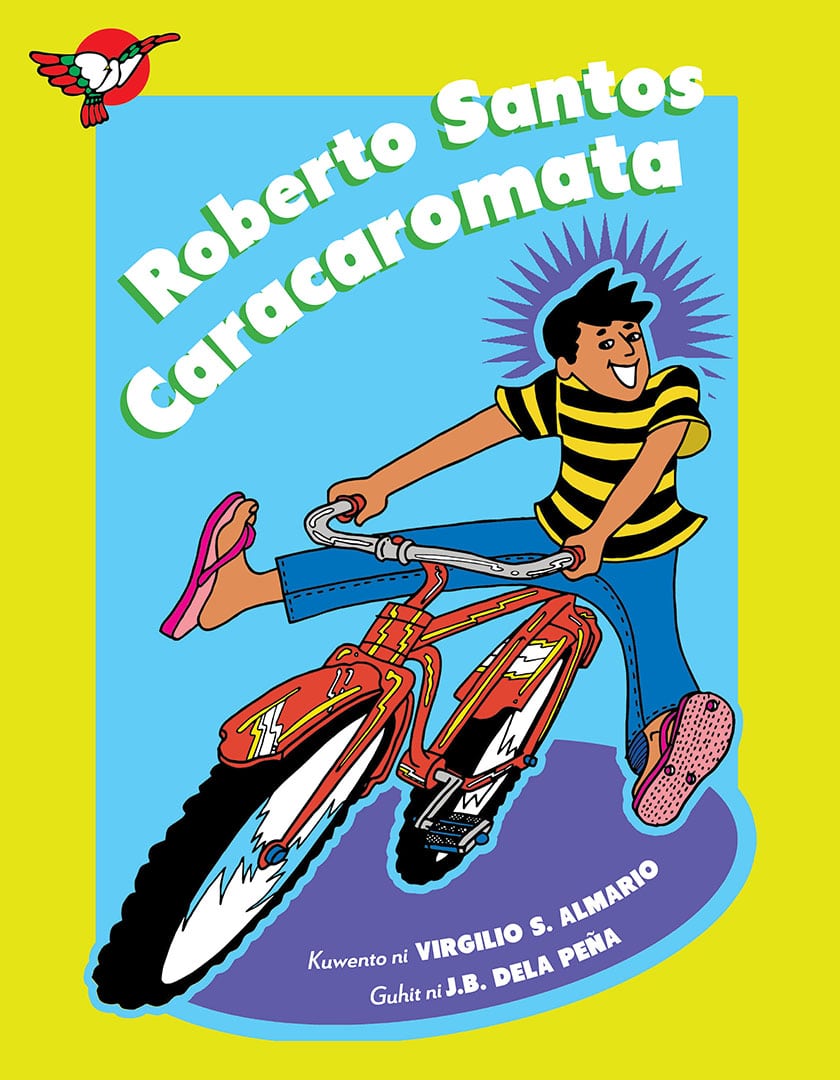
2019
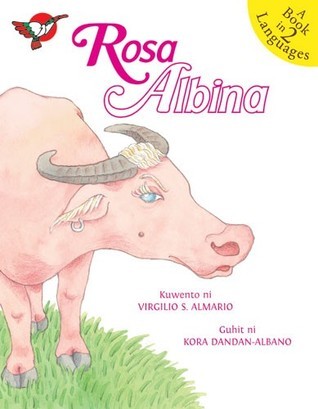
1980
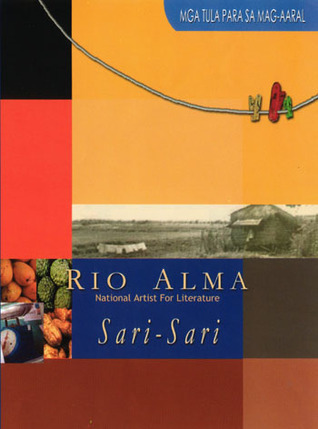
2004
2004
2010
2003
2003
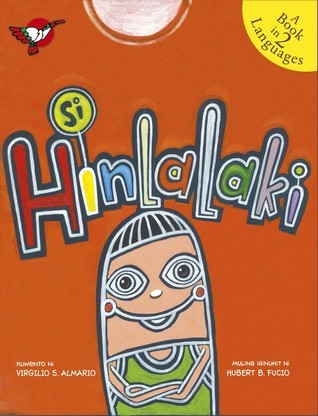
1980
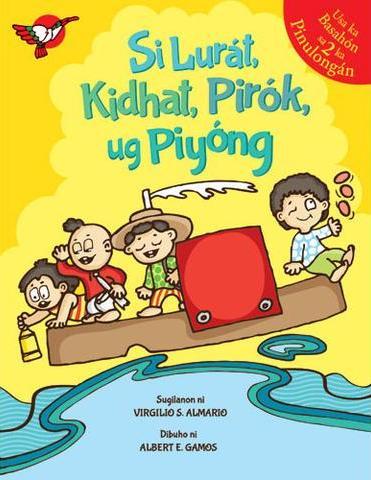
2012
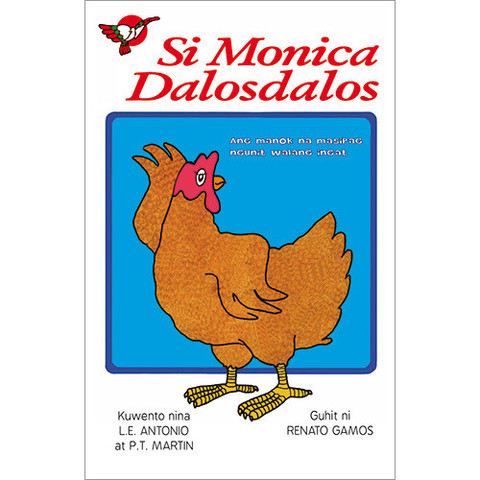
2003
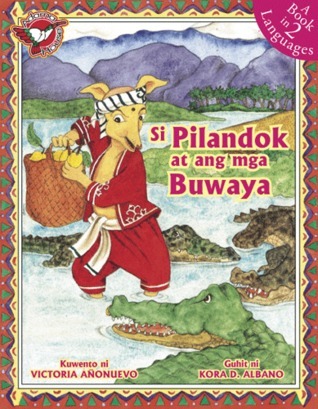
1994
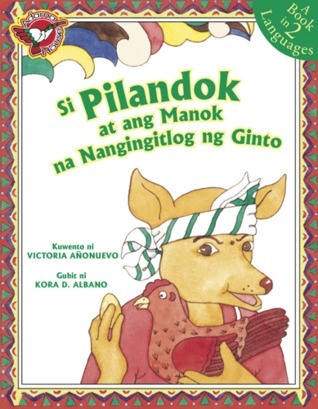
1995
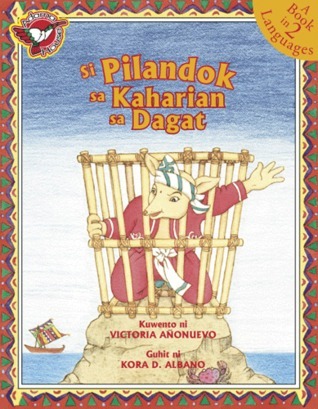
1998
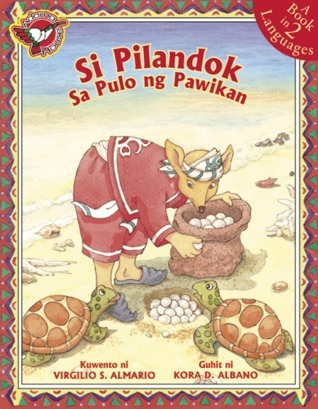
2001
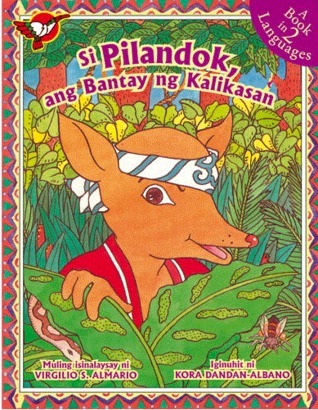
1998
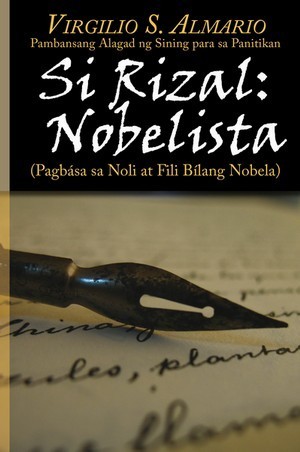
Nobelista
2008
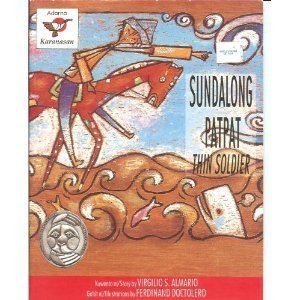
1997
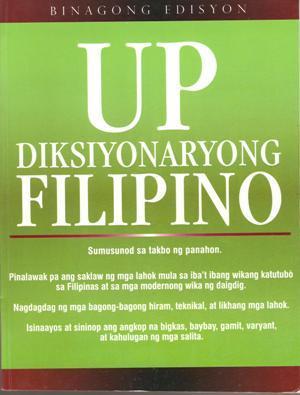
2001
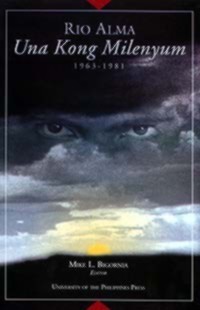
1998
1998
2009