Margins
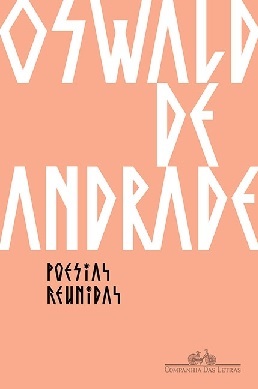
Poesias Reunidas book cover
Poesias Reunidas
1974
First Published
3.98
Average Rating
328
Number of Pages
"A poesia de Oswald de Andrade é de uma atualidade que chega a ser atordoante. O poema-piada, o poema telegráfico, a lírica que reencena—com sátira—nossa história, o deboche, o jogo verbal e a anotação ferina. Em volumes como Pau Brasil, Primeiro caderno de poesia do aluno Oswald de Andrade e Cântico dos Cânticos para Flauta e Violão, Oswald se mostra o “pai” de manifestações como o Concretismo, a Tropicália e a poesia marginal. Além das obras publicadas por Oswald, o volume traz um grupo significativo de poemas nunca reunidos em livro. A edição conta com textos em prosa com apreciações críticas do próprio Oswald e de Carlos Drummond de Andrade, Mário da Silva Brito e Haroldo de Campos."

Avg Rating
3.98
Number of Ratings
50
5 STARS
30%
4 STARS
44%
3 STARS
22%
2 STARS
2%
1 STARS
2%
goodreads

Author

Oswald de Andrade
Oswald de Andrade
Author · 10 books

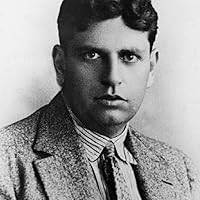
José Oswald de Andrade Souza (January 11, 1890 – October 22, 1954) was a Brazilian poet and polemicist. He was born and spent most of his life in São Paulo. Andrade was one of the founders of Brazilian modernism and a member of the Group of Five, along with Mário de Andrade, Anita Malfatti, Tarsila do Amaral and Menotti del Picchia. He participated in the Week of Modern Art (Semana de Arte Moderna). Andrade is best known for his manifesto of Brazilian nationalism, Manifesto Antropófago (Cannibal Manifesto), published in 1928. Its argument is that Brazil's history of "cannibalizing" other cultures is its greatest strength, while playing on the modernists' primitivist interest in cannibalism as an alleged tribal rite. Cannibalism becomes a way for Brazil to assert itself against European postcolonial cultural domination. The Manifesto's iconic line is "Tupi or not Tupi: that is the question." The line is simultaneously a celebration of the Tupi, who had been at times accused of cannibalism (most notoriously by Hans Staden), and an instance of cannibalism: it eats Shakespeare. Born into a wealthy family, Andrade used his money and connections to support numerous modernist artists and projects. He sponsored the publication of several major novels of the period, produced a number of experimental plays, and supported several painters, including Tarsila do Amaral, with whom he had a long affair, and Lasar Segall. His role in the modernist community was made somewhat awkward, however, by his feud with Mário de Andrade, which lasted from 1929 (after Oswald de Andrade published a pseudonymous essay mocking Mário for effeminacy) until Mário de Andrade's untimely death in 1945.

548 Market St PMB 65688, San Francisco California 94104-5401 USA
© 2026 Paratext Inc. All rights reserved