


Margins
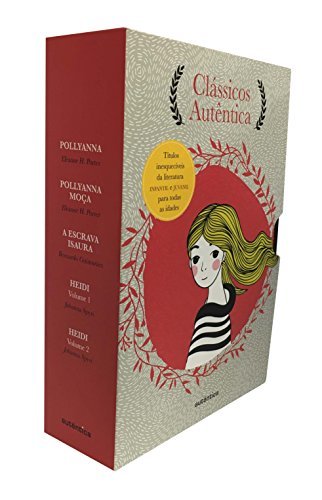
Pollyann. Pollyanna Moça. A Escrava Isaura. Heidi - Caixa Clássicos Autêntica book cover
Pollyann. Pollyanna Moça. A Escrava Isaura. Heidi - Caixa Clássicos Autêntica
2018
First Published
3.00
Average Rating
868
Number of Pages

Os livros desta caixa trazem histórias que comovem, enternecem, apaixonam. Você vai se envolver com o jogo do contente e o exemplo de amor e generosidade da personagem de Pollyanna e Pollyanna Moça, aprendendo, como tantas gerações de leitores, a ver a vida sem amargura, descobrindo sempre o lado bom de tudo. Em A escrava Isaura, vai se sensibilizar com a luta da linda escrava para escapar à violência e à humilhação da escravidão e conseguir viver sua linda história de amor. Publicado pela primeira vez em 1875, esse romance é considerado um marco na literatura abolicionista brasileira. Vai mergulhar no universo de Heidi, a menina dos Alpes, fonte de descobertas e reflexões importantes para todos nós através da história da pequena órfã, que mostra o contraste entre a vida selvagem e livre nas montanhas, com seus valores simples e essenciais, e a vida na cidade grande, com costumes, regras e valores muito diferentes.
Avg Rating
3.00
Number of Ratings
1
5 STARS
0%
4 STARS
0%
3 STARS
100%
2 STARS
0%
1 STARS
0%
goodreads

Authors

Johanna Spyri
Johanna Spyri
Author · 30 books
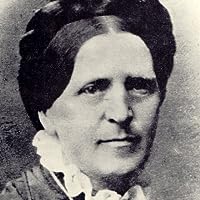
Johanna Spyri was a Swiss author of children's stories, best known for Heidi. Born Johanna Louise Heusser in the rural area of Hirzel, Switzerland, as a child she spent several summers in the area around Chur in Graubünden, the setting she later would use in her novels.
Bernardo Guimaraes
Bernardo Guimaraes
Author · 8 books

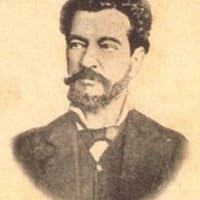
Bernardo Joaquim da Silva Guimarães was born in the city of Ouro Preto, in Minas Gerais, to João Joaquim da Silva Guimarães (a poet) and Constança Beatriz de Oliveira Guimarães. He graduated himself at the Faculdade de Direito da Universidade de São Paulo in 1847, where he befriended the poets Álvares de Azevedo and Aureliano Lessa. With those and others, he founded the "Sociedade Epicureia" ("Epicurean Society") in the same year, and also planned with them an unsuccessful collection of poetry called As Três Liras (in English: The Three Lyres). In 1852, he became a judge in the city of Catalão, Goiás, a post he held until 1854. He moved to Rio de Janeiro in 1858, and, in the following year, worked as a literary critic in the newspaper Atualidade. He returned to his duty of judge of Catalão in 1861, but returns once again to Rio de Janeiro in 1864. In 1866, he became teacher of Rhetoric and Poetics in Ouro Preto. He got married in 1867. In 1873, he became teacher of Latin and French in the city of Queluz, in Minas Gerais. He is honored by the Brazilian monarch Pedro II in 1881. Bernardo died poor, in Ouro Preto, in 1884.

548 Market St PMB 65688, San Francisco California 94104-5401 USA
© 2026 Paratext Inc. All rights reserved