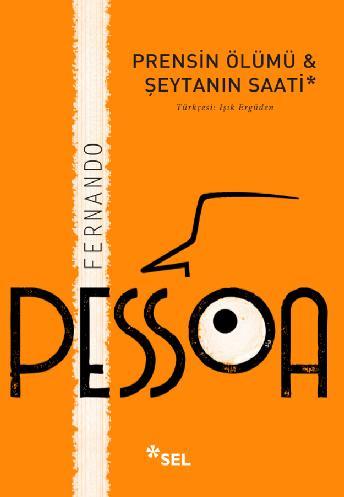



Portekiz edebiyatının yetkin kalemi Fernando Pessoa’nın ölümünden sonra keşfedilmiş iki diyalog-metin, ilk kez Türkçeye kazandırılan Prensin Ölümü ile Şeytanın Saati bu kitapta bir araya geliyor. Dramaturjisi ve teatral dinamiğiyle ön plana çıkan, dramatik yapının adım adım zirveye yaklaştığı metinlerde kişiler sürekli kimlik, kimliklerse yer değiştirir. Zihinlerindeki imgelere dalınır, mitler ve metafizik düşünceler gözden geçirilir, diyaloglar harmonik bir yapıya bürünür. Baş döndürücü bir dinamiğe sahip fragmanlar arasından sızan ölüm sessizliği ve delilik, teatral ruhu koruyan muğlak bir sahnelemeye dönüşür. Tarihin ve mitolojinin derinlerinden uzayın derinliklerine, tanrılara ve şeytana uzanan bu yolculuk, şair sıfatıyla anılagelen Pessoa’nın dramaturg kimliğine iade-i itibar kazandırırken, okurunun zihninde de kapılar açıyor.
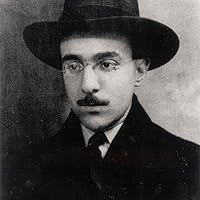
Author

Fernando António Nogueira Pessoa was a poet and writer. It is sometimes said that the four greatest Portuguese poets of modern times are Fernando Pessoa. The statement is possible since Pessoa, whose name means ‘person’ in Portuguese, had three alter egos who wrote in styles completely different from his own. In fact Pessoa wrote under dozens of names, but Alberto Caeiro, Ricardo Reis and Álvaro de Campos were – their creator claimed – full-fledged individuals who wrote things that he himself would never or could never write. He dubbed them ‘heteronyms’ rather than pseudonyms, since they were not false names but “other names”, belonging to distinct literary personalities. Not only were their styles different; they thought differently, they had different religious and political views, different aesthetic sensibilities, different social temperaments. And each produced a large body of poetry. Álvaro de Campos and Ricardo Reis also signed dozens of pages of prose. The critic Harold Bloom referred to him in the book The Western Canon as the most representative poet of the twentieth century, along with Pablo Neruda.