


Margins
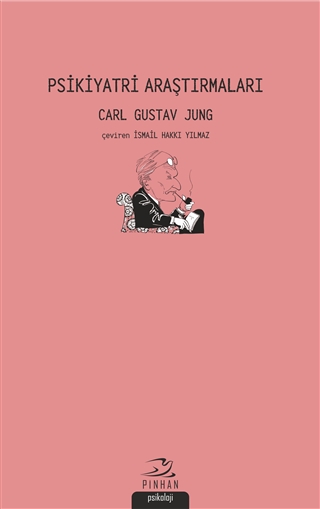
Psikiyatri Araştırmaları book cover
Psikiyatri Araştırmaları
2020
First Published
4.75
Average Rating
240
Number of Pages

Toplu Eserlerin birincisi olan bu cilt, betimleyici psikiyatri alanındaki çalışmaları kapsamaya yeterlidir. Kitap, Jung’un yayımlanan ilk çalışması olan doktora teziyle yani sonraki çalışmalarına çerçeve oluşturan bir inceleme olan “Okült Denen Fenomenlerin Psikolojisi ve Patolojisi Üstüne” ile başlar. Diğer makaleler ise ya doğrudan histeri üzerinedir ya da kriptomnezi, manik bozukluk ve delilik taklidi gibi histeriyle bağlantılı olan rahatsızlıklarla ilgilidir. Jung’un kariyerinin ilk döneminde 1902-1905 arasında yayınladığı bu makaleler, Paris’te Salpêtrière Hastanesinde ona rehberlik eden Pierre Janet’nin ve Zürih’te Burghölzli Hastanesinde ona müdürlük yapan Eugen Bleuler’in etkilerini görmek açısından da önemlidir.
Avg Rating
4.75
Number of Ratings
4
5 STARS
75%
4 STARS
25%
3 STARS
0%
2 STARS
0%
1 STARS
0%
goodreads

Author

Carl Jung
Carl Jung
Author · 129 books

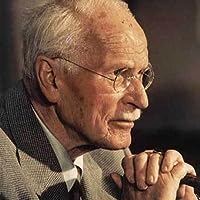
Carl Gustav Jung (/jʊŋ/; German: [ˈkarl ˈɡʊstaf jʊŋ]), often referred to as C. G. Jung, was a Swiss psychiatrist and psychotherapist who founded analytical psychology. Jung proposed and developed the concepts of extraversion and introversion; archetypes, and the collective unconscious. His work has been influential in psychiatry and in the study of religion, philosophy, archeology, anthropology, literature, and related fields. He was a prolific writer, many of whose works were not published until after his death. The central concept of analytical psychology is individuation—the psychological process of integrating the opposites, including the conscious with the unconscious, while still maintaining their relative autonomy. Jung considered individuation to be the central process of human development. Jung created some of the best known psychological concepts, including the archetype, the collective unconscious, the complex, and synchronicity. The Myers-Briggs Type Indicator (MBTI), a popular psychometric instrument, has been developed from Jung's theory of psychological types. Though he was a practising clinician and considered himself to be a scientist, much of his life's work was spent exploring tangential areas such as Eastern and Western philosophy, alchemy, astrology, and sociology, as well as literature and the arts. Jung's interest in philosophy and the occult led many to view him as a mystic, although his ambition was to be seen as a man of science. His influence on popular psychology, the "psychologization of religion", spirituality and the New Age movement has been immense.

548 Market St PMB 65688, San Francisco California 94104-5401 USA
© 2026 Paratext Inc. All rights reserved