


Margins
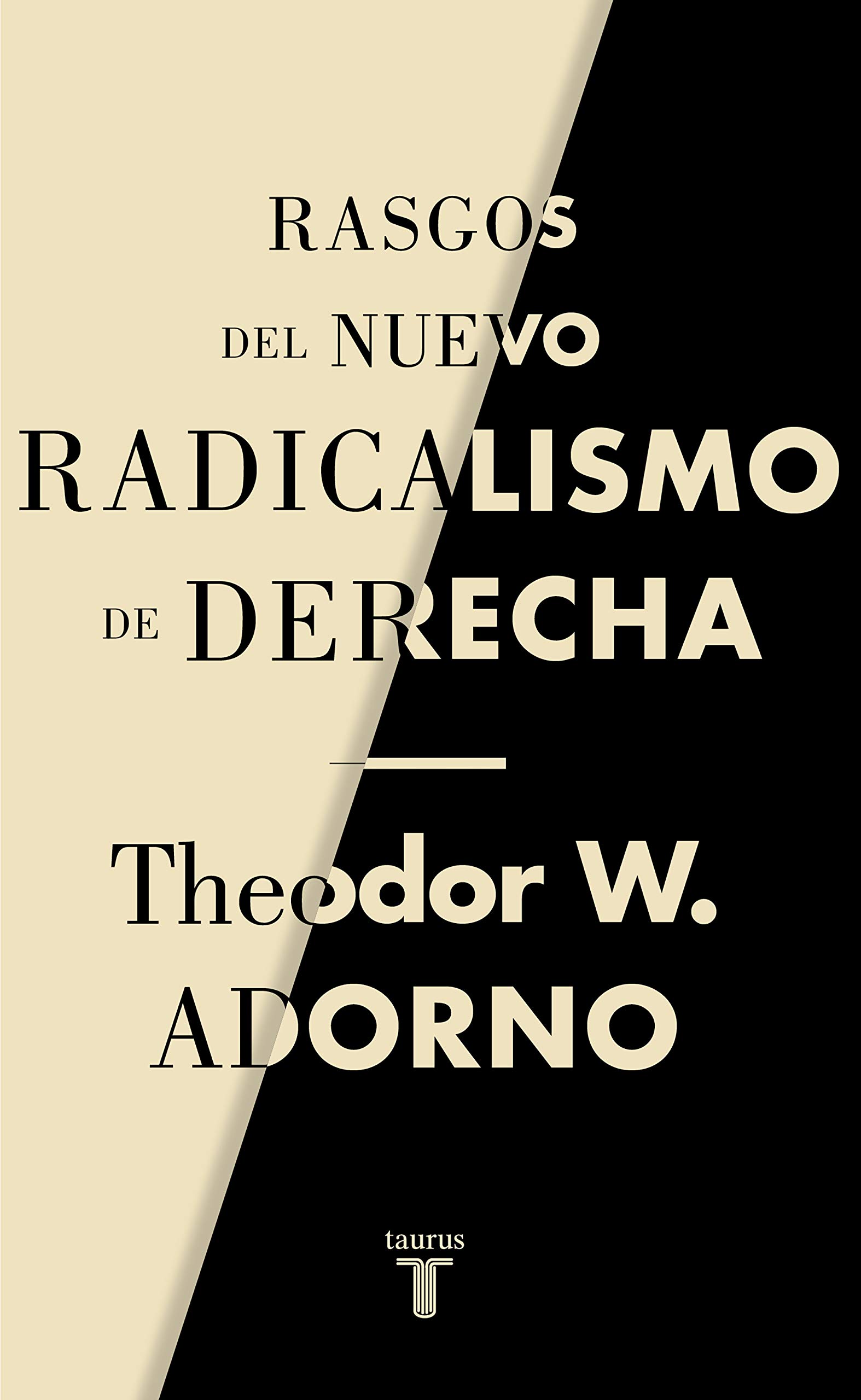
Rasgos del nuevo radicalismo de derecha book cover
Rasgos del nuevo radicalismo de derecha
2020
First Published
4.10
Average Rating
96
Number of Pages

«No deberíamos subestimar estos movimientos por su ínfimo nivel intelectual ni por su falta de teorización. Sería una enorme falta de visión política pensar por eso que no van a tener éxito.» Veinte años después del final de la Segunda Guerra Mundial, el NPD, un partido neonazi alemán, obtuvo un éxito sorprendente en las urnas. En ese contexto, Theodor W. Adorno dio una conferencia en la Universidad de Viena, invitado por la Asociación de Estudiantes Socialistas de Austria. Desde nuestra encrucijada actual, el interés de esta charla es mucho más que histórico. En ella analizó los objetivos, recursos y tácticas del nuevo radicalismo de derecha de su época. Contrastándolo con el «viejo» fascismo nazi, expuso las razones para semejante recepción positiva. Este libro de Adorno es como un mensaje en una botella lanzado cincuenta años atrás cuya lectura tiene un inestimable valor en nuestro presente.
Avg Rating
4.10
Number of Ratings
58
5 STARS
36%
4 STARS
40%
3 STARS
22%
2 STARS
2%
1 STARS
0%
goodreads

Author

Theodor W. Adorno
Theodor W. Adorno
Author · 51 books

Theodor Wiesengrund Adorno was one of the most important philosophers and social critics in Germany after World War II. Although less well known among anglophone philosophers than his contemporary Hans-Georg Gadamer, Adorno had even greater influence on scholars and intellectuals in postwar Germany. In the 1960s he was the most prominent challenger to both Sir Karl Popper's philosophy of science and Martin Heidegger's philosophy of existence. Jürgen Habermas, Germany's foremost social philosopher after 1970, was Adorno's student and assistant. The scope of Adorno's influence stems from the interdisciplinary character of his research and of the Frankfurt School to which he belonged. It also stems from the thoroughness with which he examined Western philosophical traditions, especially from Kant onward, and the radicalness to his critique of contemporary Western society. He was a seminal social philosopher and a leading member of the first generation of Critical Theory. Unreliable translations hampered the initial reception of Adorno's published work in English speaking countries. Since the 1990s, however, better translations have appeared, along with newly translated lectures and other posthumous works that are still being published. These materials not only facilitate an emerging assessment of his work in epistemology and ethics but also strengthen an already advanced reception of his work in aesthetics and cultural theory.

548 Market St PMB 65688, San Francisco California 94104-5401 USA
© 2026 Paratext Inc. All rights reserved