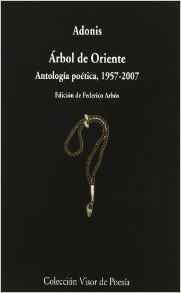
Authors
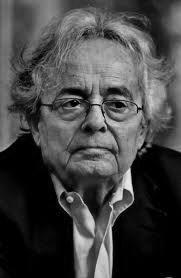
علي أحمد سعيد إسبر المعروف بـ أدونيس شاعر سوري ولد في 1930 بقرية قصابين بمحافظة اللاذقية في سوريا. ( فيما بعد قام الشاعر الكبير بتغيير اسمه إلى ادونيس تميناً باسم آلهة من ألهات الفينيقيين ) تبنى اسم أدونيس (تيمناً بأسطورة أدونيس الفينيقية) الذي خرج به على تقاليد التسمية العربية منذ العام 1948. متزوج من الأديبة خالدة سعيد ولهما ابنتان: أرواد ونينار. دونيس (Adonis) هو أحد ألقاب الآلهة في اللغة الكنعانية-الفينيقية، فالكلمة أدون تحمل معنى سيد أو إله بالكنعانية مضاف إليها السين (التذكير باليونانية) وهو معشوق الآلهة عشتار انتقلت أسطورة أدونيس للثقافة اليونانية وحبيبته صارت أفروديت. يجسد الربيع والإخصاب لدى الكنعانين والإغريق. وكان يصور كشاب رائع الجمال. أدونيس لم يعرف مدرسة نظامية قبل سن الثالثة عشرة. حفظ القرآن على يد أبيه، كما حفظ عددًا كبيرًا من قصائد القدامى. وفي ربيع 1944, ألقى قصيدة وطنية من شعره أمام شكري القوتلي، رئيس الجمهورية السورية حينذاك، والذي كان في زيارة للمنطقة. نالت قصيدته الإعجاب، فأرسلته الدولة إلى المدرسة العلمانية الفرنسية في طرطوس ، فقطع مراحل الدراسة قفزاً, وتخرج من جامعة دمشق متخصصاً في الفلسفة سنة 1954. التحق بالخدمة العسكرية عام 1954, وقضى منها سنة في السجن بلا محاكمة بسبب انتمائه -وقتذاك- للحزب السوري القومي الاجتماعي الذي تركه تنظيميا عام 1960. غادر سوريا إلى لبنان عام 1956, حيث التقى بالشاعر يوسف الخال, وأصدرا معاً مجلة شعر في مطلع عام 1975. ثم أصدر أدونيس مجلة مواقف بين عامي 1969 و 1994. درّس في الجامعة اللبنانية, ونال درجة الدكتوراة في الأدب عام 1973 من جامعة القديس يوسف, وأثارت أطروحته الثابت والمتحول سجالاً طويلاً. بدءاً من عام 1955, تكررت دعوته كأستاذ زائر إلى جامعات ومراكز للبحث في فرنسا وسويسرة والولايات المتحدة وألمانيا. تلقى عدداً من الجوائز العالمية وألقاب التكريم وتُرجمت أعماله إلى ثلاث عشرة لغة. حصل سنة 1986 على الجائزة الكبرى ببروكسل ثم جائزة التاج الذهبي للشعر في جمهورية مقدونيا تشرين الأول 1997. يعتبر البعض أن أدونيس من أكثر الشعراء العرب إثارة للجدل. فمنذ أغاني مهيار الدمشقي، استطاع أدونيس بلورة منهج جديد في الشعر العربي يقوم على توظيف اللغة على نحو فيه قدر كبير من الإبداع والتجريب تسمو على الاستخدامات التقليدية دون أن يخرج أبداً عن اللغة العربية الفصحى ومقاييسها النحوية. استطاع أدونيس أن ينقل الشعر العربي إلى العالمية. ومنذ مدةٍ طويلة، يرشحه النقاد لنيل جائزة نوبل للآداب. كما أنه، بالإضافة لمنجزه الشعري، يُعدّ واحداً من أكثر الكتاب العرب إسهاما ف
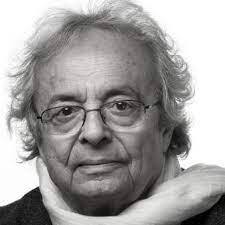
Adonis was born Ali Ahmed Said in the village of Al Qassabin in Syria, in 1930, to a family of farmers, the oldest of six children. At the age of nineteen, he adopted the name Adonis (also spelled Adunis), after the Greek god of fertility, with the hopes that the new name would result in newspaper publication of his poems. Although his family could not afford to send Adonis to school, his father taught him to read poetry and the Qu'ran, and memorize poems while he worked in the fields. When he was fourteen, Adonis read a poem to the president of Syria who was visiting a nearby town. The impressed president offered to grant a request, to which the young Adonis responded that he wanted to attend school. The president quickly made arrangements for Adonis to attend a French-run high school, after which he studied philosophy at Damascus University. In 1956, after a year-long imprisonment for political activities, Adonis fled Syria for Beirut, Lebanon. He joined a vibrant community of artists, writers, and exiles in Beirut, and co-founded and edited Sh'ir, and later Muwaqaf, both progressive journals of poetry and politics. He studied at St. Joseph University in Beirut and obtained his Doctorat d'Etat in 1973. Considered one of the Arab world's greatest living poets, Adonis is the author of numerous collections, including Mihyar of Damascus (BOA Editions, 2008), A Time Between Ashes and Roses (Syracuse University Press, 2004); If Only the Sea Could Sleep (2003); The Pages of Day and Night (2001); Transformations of the Lover (1982); The Book of the Five Poems (1980); The Blood of Adonis (1971), winner of the Syria-Lebanon Award of the International Poetry Forum; Songs of Mihyar the Damascene (1961), Leaves in the Wind (1958), and First Poems (1957). He is also an essayist, an editor of anthologies, a theoretician of poetics, and the translator of several works from French into Arabic. Over the course of his career, Adonis has fearlessly experimented with form and content, pioneering the prose poem in Arabic, and taking a influential, and sometimes controversial role in Arab modernism. In a 2002 interview in the New York Times, Adonis declared: '"There is no more culture in the Arab world. It's finished. Culturally speaking, we are a part of Western culture, but only as consumers, not as creators." Adonis' awards and honors include the first ever International Nâzim Hikmet Poetry Award, the Syria-Lebanon Best Poet Award, and the Highest Award of the International Poem Biennial in Brussels. He was elected as Stephen Mallarme Academy Member in Paris in 1983. He has taught at the Lebanese University as a professor of Arabic literature, at Damascus University, and at the Sorbonne. He has been a Lebanese citizen since 1961 and currently lives in Paris.
- See more at: http://www.poets.org/poet.php/prmPID/...