Retour du Front
1948
First Published
3.92
Average Rating
640
Number of Pages
Part of Series
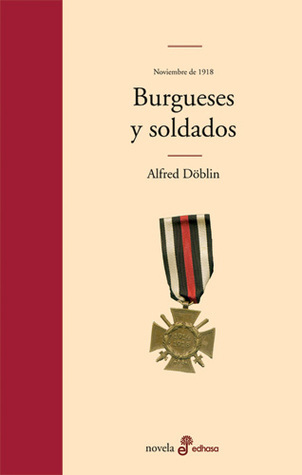
The return of the troops from the front forms a close unity with the previous installment of this cycle, The People Betrayed, and in them Döblin shows a Berlin where some inhabitants live in miserable conditions, while others know how to take advantage of the opportunities that war offers unscrupulous merchants, large and small swindlers, and also political opportunists. The shock represents for those who return from the war front the attempt to integrate into a society so changed compared to the one they left behind. These are small personal stories that form a splendid mosaic in which, in perspective, we can also see the negotiation and the immediate consequences of the Treaty of Versailles, which will soon completely change the situation throughout Europe.

Avg Rating
3.92
Number of Ratings
13
5 STARS
23%
4 STARS
54%
3 STARS
15%
2 STARS
8%
1 STARS
0%
goodreads
Author

Alfred Döblin
Author · 17 books
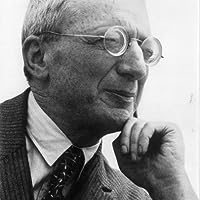
Bruno Alfred Döblin (August 10, 1878 – June 26, 1957) was a German novelist, essayist, and doctor, best known for his novel Berlin Alexanderplatz (1929). A prolific writer whose œuvre spans more than half a century and a wide variety of literary movements and styles, Döblin is one of the most important figures of German literary modernism. His complete works comprise over a dozen novels ranging in genre from historical novels to science fiction to novels about the modern metropolis; several dramas, radio plays, and screenplays; a true crime story; a travel account; two book-length philosophical treatises; scores of essays on politics, religion, art, and society; and numerous letters—his complete works, republished by Deutscher Taschenbuch Verlag and Fischer Verlag, span more than thirty volumes. His first published novel, Die drei Sprünge des Wang-lung (The Three Leaps of Wang Lun), appeared in 1915 and his final novel, Hamlet oder Die lange Nacht nimmt ein Ende (Tales of a Long Night) was published in 1956, one year before his death.