Margins
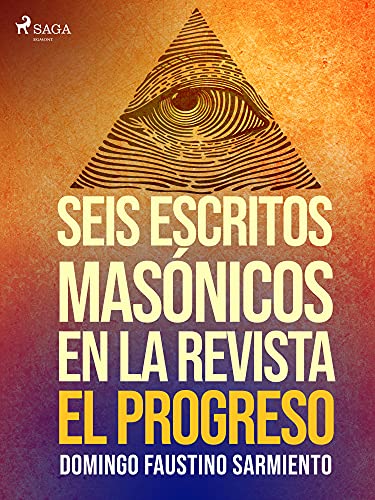
Seis escritos masónicos en la revista El Progreso book cover
Seis escritos masónicos en la revista El Progreso
2021
First Published
41
Number of Pages
Bajo el seudónimo "V", Domingo Sarmiento publicó estos artículos en la revista masónica El Progreso en 1869, durante su mandato como presidente de Argentina. Conviene recordar que él había sido masón durante muchos años, pero había renunciado formalmente a la Orden al asumir la presidencia.Estos eran escritos breves y frontalmente anticlericales, en los que se permitía criticar un discurso oficial propio (como si de otro se tratara) por sus concesiones parciales a la Iglesia católica. Señalaba, además, pasos necesarios para sustentar mejor la reforma educativa laica en curso. La defensa de la masonería se trenzaba así con la defensa del rol civilizador y emancipador de los maestros de escuela.-


Author

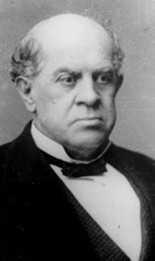
Domingo Faustino Sarmiento
Author · 3 books

Domingo Faustino Sarmiento Albarracín was an Argentine activist, intellectual, writer, statesman and the seventh President of Argentina. His writing spanned a wide range of genres and topics, from journalism to autobiography, to political philosophy and history. He was a member of a group of intellectuals, known as the "Generation of 1837", who had a great influence on nineteenth-century Argentina. Sarmiento himself was particularly concerned with educational issues, and is now sometimes considered "The Teacher" of Latin America. He was also an important influence on the region's literature. Sarmiento grew up in a poor but politically active family that paved the way for much of his future accomplishments. Between 1843 and 1850 he was frequently in exile, and wrote in both Chile and in Argentina. His great literary achievement was Facundo, a critique of Juan Manuel de Rosas, that Sarmiento wrote while working for the newspaper El Progreso during his exile in Chile. The book brought him far more than just literary recognition; he expended his efforts and energy on the war against dictatorships, specifically that of Rosas, and contrasted enlightened Europe—a world where, in his eyes, democracy, social services, and intelligent thought were valued—with the barbarism of the gaucho and especially the caudillo, the ruthless strongmen of nineteenth-century Argentina. While president of Argentina from 1868 to 1874, Sarmiento championed intelligent thought—including education for children and women—and democracy for Latin America. He also took advantage of the opportunity to modernize and develop train systems, a postal system, and a comprehensive education system. He spent many years in ministerial roles on the federal and state levels where he travelled abroad and examined other education systems. Sarmiento died in Asunción, Paraguay, at the age of 77 from a heart attack. He was buried in Buenos Aires. Today, he is respected as a political innovator and writer.

548 Market St PMB 65688, San Francisco California 94104-5401 USA
© 2026 Paratext Inc. All rights reserved