Margins




548 Market St PMB 65688, San Francisco California 94104-5401 USA
© 2026 Paratext Inc. All rights reserved
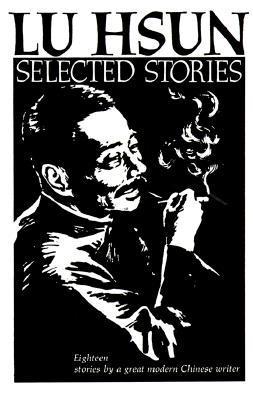
"When I was young I, too, had many dreams. Most of them came to be forgotten, but I see nothing in this to regret. For although recalling the past may make you happy, it may sometimes also make you lonely, and there is no point in clinging in spirit to lonely bygone days. However, my trouble is that I cannot forget completely, and these stories have resulted from what I have been unable to erase from memory."—Lu Hsun Living during a time of dramatic change in China, Lu Hsun had a career that was as varied as his writing. As a young man he studied medicine in Japan but left it for the life of an activist intellectual, eventually returning to China to teach. Though he supported the aims of the Communist revolution, he did not become a member of the party nor did he live to see the Communists take control of China. Ambitious to reach a large Chinese audience, Lu Hsun wrote his first published story, "A Madman's Diary," in the vernacular, a pioneering move in Chinese literature at the time. "The True Story of Ah Q," a biting portrait of feudal China, gained him popularity in the West. This collection of eighteen stories shows the variety of his style and subjects throughout his career. In a new introduction, Ha Jin, the author of Waiting (National Book Award winner), The Bridegroom, and other works, places Lu Hsun's life and work in the context of Chinese history and literature.