Margins
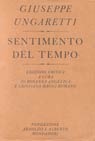
Sentimento del tempo book cover
Sentimento del tempo
1933
First Published
4.21
Average Rating
254
Number of Pages
La storia del "Sentimento del tempo" abbraccia un arco di circa un quarto di secolo, dalla fine del 1919 o al massimo dai primi del '20 sino al gennaio 1943, data dell'edizione definitiva del libro. Il "Sentimento del tempo" si costituisce sostanzialmente nel 1933 con la prima edizione Vallecchi, consta di 63 poesie (le altre sette che lo portano alla misura attuale di settanta entreranno a farne parte con la seconda edizione, Novissima, del 1936, divise in sette sezioni: "Prime" con 7 poesie, "La fine di Crono" con 20, "Sogni e accordi" 15 poesie, "Leggende" con 5, "Inni" 6 poesie, "La morte meditata" 6 poesie, "L'amore" con 4 poesie. La presente edizione vede la luce nel centenario della nascita di Ungaretti, si avvale della collaborazione dei detentori degli autografi che ne hanno permesso l'utilizzazione e la trascrizione e che gentilmente si sono prestati per controlli e riscontri.

Avg Rating
4.21
Number of Ratings
91
5 STARS
45%
4 STARS
37%
3 STARS
12%
2 STARS
4%
1 STARS
1%
goodreads

Author

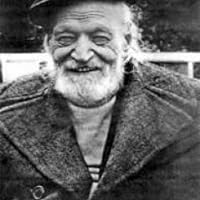
Giuseppe Ungaretti
Giuseppe Ungaretti
Author · 11 books

Giuseppe Ungaretti was an Italian modernist poet, journalist, essayist, critic and academic. A leading representative of the experimental trend known as ermetismo, he was one of the most prominent contributors to 20th century Italian literature. Influenced by symbolism, he was briefly aligned with futurism. Like many futurists, he took an irredentist position during World War I. Ungaretti debuted as a poet while fighting in the trenches, publishing one of his best-known pieces, L'allegria ("The Joy"). During the interwar period, Ungaretti was a collaborator of Benito Mussolini (whom he met during his socialist accession), as well as a foreign-based correspondent for Il Popolo d'Italia and La Gazzetta del Popolo. While briefly associated with the Dadaists, he developed ermetismo as a personal take on poetry. After spending several years in Brazil, he returned home during World War II, and was assigned a teaching post at the University of Rome, where he spent the final decades of his life and career. Ungaretti's Fascist past was the subject of controversy.

548 Market St PMB 65688, San Francisco California 94104-5401 USA
© 2026 Paratext Inc. All rights reserved