Margins
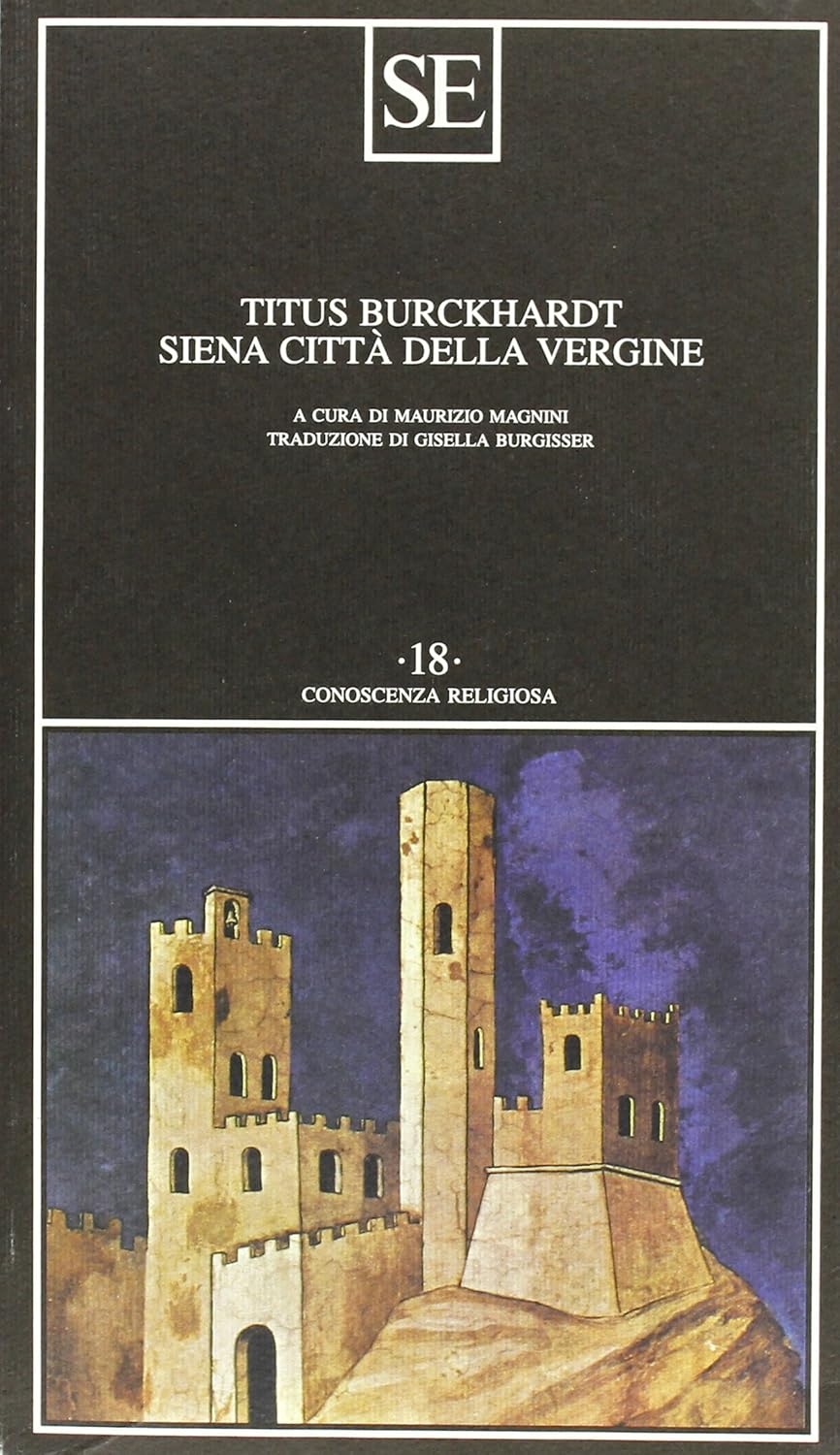
Siena, città della Vergine book cover
Siena, città della Vergine
2008
First Published
4.00
Average Rating
157
Number of Pages
"Il rapido sviluppo delle città attuali, dovuto alla tecnica moderna, ci ha fatto quasi dimenticare cosa sia una civitas nell'autentico senso della parola, cioè una città edificata a misura umana e ordinata secondo le esigenze spirituali della comunità. Siena ha mantenuto fino ad oggi un tale aspetto e un tale ordine. Non si tratta dell'ordine razionale proprio di certe città barocche; l'universo di Siena è multiforme, è corpo, anima, intelletto, come l'uomo. La bellezza di Siena non è il risultato di uno sviluppo casuale, "naturale"; la città è stata costruita con piena consapevolezza dai suoi abitanti che volevano l'unità, ma che nel contempo, da veri aristocratici, conservavano quel rispetto per la vita privata delle famiglie e delle classi sociali tipico del Medioevo. È stato giustamente detto che nell'Italia del Medioevo il grande capolavoro della comunità è la città, mentre nell'Europa del Nord, in Francia e in Germania, il gioiello da essa creato è la cattedrale gotica. Siena, fra tutte le città italiane, ha conservato più intatta la sua unità gotica; in nessun'altra città esiste una piazza come il Campo, con la sua incomparabile armonia di misure; nessun'altra città testimonia in modo così unitario lo stile aspro e insieme nobile di quell'epoca. La storia di Siena si svolge limpida come una storia sacra: dapprima la vittoria nel segno della fede, poi la sfrenata ebbrezza del potere, le discordie interne, la decadenza, e l'umiliazione estrema, preceduta da innumerevoli moniti."

Avg Rating
4.00
Number of Ratings
14
5 STARS
43%
4 STARS
21%
3 STARS
29%
2 STARS
7%
1 STARS
0%
goodreads

Author

Titus Burckhardt
Titus Burckhardt
Author · 13 books

Titus Burckhardt (Ibrahim Izz al-Din after his Islamic name), a German Swiss, was born in Florence, Italy in 1908 and died in Lausanne, Switzerland in 1984.He devoted all his life to the study and exposition of the different aspects of Wisdom tradition. He was an eminent member of the "Traditionalist School" of twentieth-century authors. He was a frequent contributor to the journal Studies in Comparative Religion along with other prominent members of the school. Burckhardt was the scion of a patrician family of Basel. He was the great-nephew of the art-historian Jacob Burckhardt and the son of the sculptor Carl Burckhardt. Titus Burckhardt was a contemporary of Frithjof Schuon – leading exponent of traditionalist thought in the twentieth century – and the two spent their early school days together in Basel around the time of the First World War. This was the beginning of an intimate friendship and harmonious intellectual and spiritual relationship that was to last a lifetime. Burckhardt was, as his grandfather, a connoisseur of Islamic art, architecture and civilisation. He compiled and published work from the Sufi masters: Ibn Arabi (1165–1240), Abd-al-karim Jili (1365–1424) and Muhammad al-Arabi al-Darqawi (1760–1823).

548 Market St PMB 65688, San Francisco California 94104-5401 USA
© 2026 Paratext Inc. All rights reserved
Siena, città della Vergine