Margins




548 Market St PMB 65688, San Francisco California 94104-5401 USA
© 2026 Paratext Inc. All rights reserved
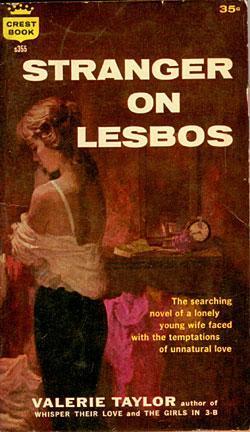
• First Digital Edition • Includes an Afterword on the history of pulp paperbacks • Grier Rating: A*** Frances has been married to Bill for many years. Their son, Bob, is in high school. Frances had been left alone too often. Bill's occupation with business, his insensitivity, his indifference had drained their marriage of meaning and warmth. Yet, it never occurred to her to think of divorce – or to have an affair with another man. It was easier to shut herself off from all desire, all feeling. It was like being dead… but it was safe. Then she met Mary Baker – Bake, for short. Bake… with her dark, knowing eyes, her young body, so alive, so full of passion and hunger. Shy Frances is drawn to Bake immediately and accepts her invitations for socializing… which leads to a certain amount of drinking and flirting. Before long, the relationship becomes much more than just a friendship – the two fall hard for each other and Frances becomes Bake’s girl. It’s not a smooth road for them, though, as Frances is married… still living at home with Bill and her son. With Bake’s encouragement, Frances regains strength as an individual and finds employment outside of the home. The independence she gains as a result of having her own money does wonders for Frances. For the first time in her life, she feels confident and courageous – strong enough, perhaps, to consider pursuing a new life for herself. Can she trust Bake's feelings for her? Will she leave Bill and her son? Can she trust Bake to stay with her if she does divorce her husband? Will our lovers fight against all odds to make their relationship survive? About Lesbian Pulp Fiction: In the early 1950s new sub-genres of the vintage paperback pulp novel industry emerged—science fiction, juvenile delinquent, sleaze, and lesbian fiction, for instance—that would tantalize readers with gritty, realistic and lurid stories never seen before. Mysteries, thrillers and hardboiled detective pulps were already selling quite well. Publishers had come to realize, however, that sex would sell even more copies. In a competitive frenzy for readers, they tossed away their staid and straightforward cover images for alluring covers that frequently featured a sexy woman in some form of undress, along with a suggestive tag line that promised stories of sex and violence within the covers. Before long, books with these sensational covers had completely taken over the paperback racks and cash registers. To this day, the "good girl art" (GGA) cover art of these vintage paperback books are just as sought after as the books themselves were sixty years ago. With the birth of the lesbian-themed pulp novel, women who loved women would finally see themselves—their experiences and their lives—represented within the pages of a book. They finally had a literature they could call their own. For lesbians across the country, especially those living in small towns, these books provided a sense of community they never knew existed, a connection to women who experienced the same longings, feelings and fears as they did—the powerful knowledge that they were not alone. We are excited to make these classic lesbian pulp novels available in ebook format to new generations of readers.