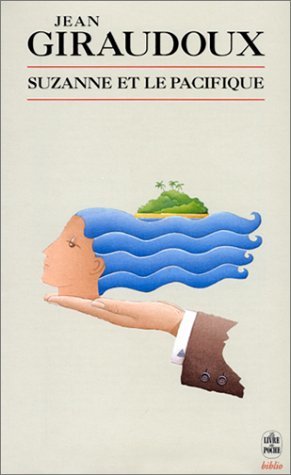



"C’était pourtant un de ces jours où rien n’arrive, où, comme les poules quand la pluie va durer, sentant que jusqu’au soir la vie sera monotone, les astres occupés d’habitude à la varier sortent sans emploi et voisinent. Il y avait de tout dans le ciel. Il y avait le soleil ; il y avait, sous une housse, la lune. Nuit, matin, tout était servi sur les mêmes nappes radieuses. Le vent du Sud tombait sur le vent d’Est, perpendiculaire, et des souffles Nord-Ouest-Sud-Est vous caressaient dans l’angle droit. Les cloches sonnaient ; quand le battant frappait leur côté oriental, déjà tiède, le son était moitié plus tendre. Tout le monde était sur les portes, on mettait son ombre au soleil. Le facteur allait en zigzag d’un trottoir à l’autre trottoir ; il semblait ivre de beau temps, la rue n’était pas assez large. Il ne se hâtait guère, il regardait décacheter chaque enveloppe, et chaque nouvelle passer du secret à un jour aveuglant. Puis il me fit avec le bras ces signes défendus pourtant dans les Postes depuis Morse, agita vers moi une lettre dont je vis le timbre australien... Je rougis... Car je rougis toujours quand on me parle d’un pays étranger... J’avais dix-huit ans. J’étais heureuse. J’habitais, avec mon tuteur, une maison toute en longueur dont chaque porte-fenêtre donnait sur la ville, chaque fenêtre sur un pays à ruisseaux et à collines, avec des champs et des châtaigneraies comme des rapiéçages..., car c’était une terre qui avait beaucoup servi déjà, c’était le Limousin." Suzanne est une jeune fille heureuse ayant toujours vécu à Bellac (Limousin). Elle décide de voyager mais un incendie se déclenche à bord du paquebot.. Jean Giraudoux imagine, avec toute sa fantaisie, une robinsonne ...
Author

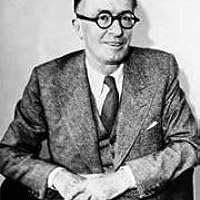
Greek mythology or Biblical stories base dramas, such as Electra (1937), of French writer Hippolyte Jean Giraudoux, who also wrote several novels. He fathered Jean-Pierre Giraudoux. People consider this French novelist, essayist, diplomat. and playwright among the most important French dramatists of the period between World War I and World War II. They note his work for its stylistic elegance and poetic fantasy. The relationship between man and woman or some unattainable ideal in some cases dominates themes of Giraudoux . Léger Giraudoux, father of Jean Giraudoux, worked for the ministry of transport. Giraudoux studied at the Lycée Lakanal in Sceaux and upon graduation traveled extensively in Europe. After his return to France in 1910, he accepted a position with the ministry of foreign affairs. With the outbreak of World War I, he served with distinction and in 1915 became the first writer ever to be awarded the wartime Legion of Honour. He married in 1918 and in the subsequent inter-war period produced the majority of his writing. He first achieved literary success through his novels, notably Siegfried et le Limousin (1922) and Eglantine (1927). An ongoing collaboration with actor and theater director Louis Jouvet, beginning in 1928 with Jouvet's radical streamlining of Siegfried for the stage, stimulated his writing. But it is through his plays that gained him international renown. He became well known in the English-speaking world largely because of the award-winning adaptations of his plays by Christopher Fry (The Trojan War Will Not Take Place) and Maurice Valency (The Madwoman of Chaillot, Ondine, The Enchanted, The Apollo of Bellac). Giraudoux served as a juror with Florence Meyer Blumenthal in awarding the Prix Blumenthal, a grant given between 1919 and 1954 to painters, sculptors, decorators, engravers, writers, and musicians. He is buried in the Cimetière de Passy in Paris. His son, Jean-Pierre Giraudoux, was also a writer.