Margins




548 Market St PMB 65688, San Francisco California 94104-5401 USA
© 2026 Paratext Inc. All rights reserved
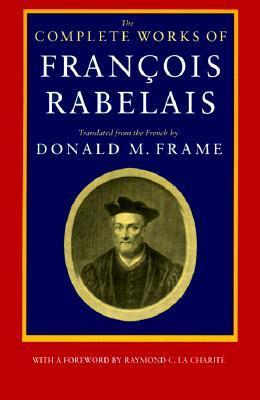
Rip-roaring and rib-tickling, François Rabelais' irreverent story of the giant Gargantua, his giant son Pantagruel, and their companion Panurge is a classic of the written word. This complete translation by Donald Frame, helpfully annotated for the nonspecialist, is a masterpiece in its own right, bringing to twentieth-century English all the exuberance and invention of the original sixteenth-century French. A final part containing all the rest of Rabelais' known writings, including his letters, supplements the five books traditionally known as Gargantua and Pantagruel . This great comic narrative, written in hugely popular installments over more than two decades, was unsparingly satirical of scholarly pomposity and the many abuses of religious, legal, and political power. The books were condemned at various times by the Sorbonne and narrowly escaped being banned. Behind Rabelais' obvious pleasure in lampooning effete erudition and the excesses of society is the humanist's genuine love of knowledge and belief in the basic goodness of human nature. The bawdy wit and uninhibited zest for life that characterize his unlikely trio of travelers have delighted readers and inspired other writers ever since the exploits of Gargantua and Pantagruel first appeared.