Margins




548 Market St PMB 65688, San Francisco California 94104-5401 USA
© 2026 Paratext Inc. All rights reserved
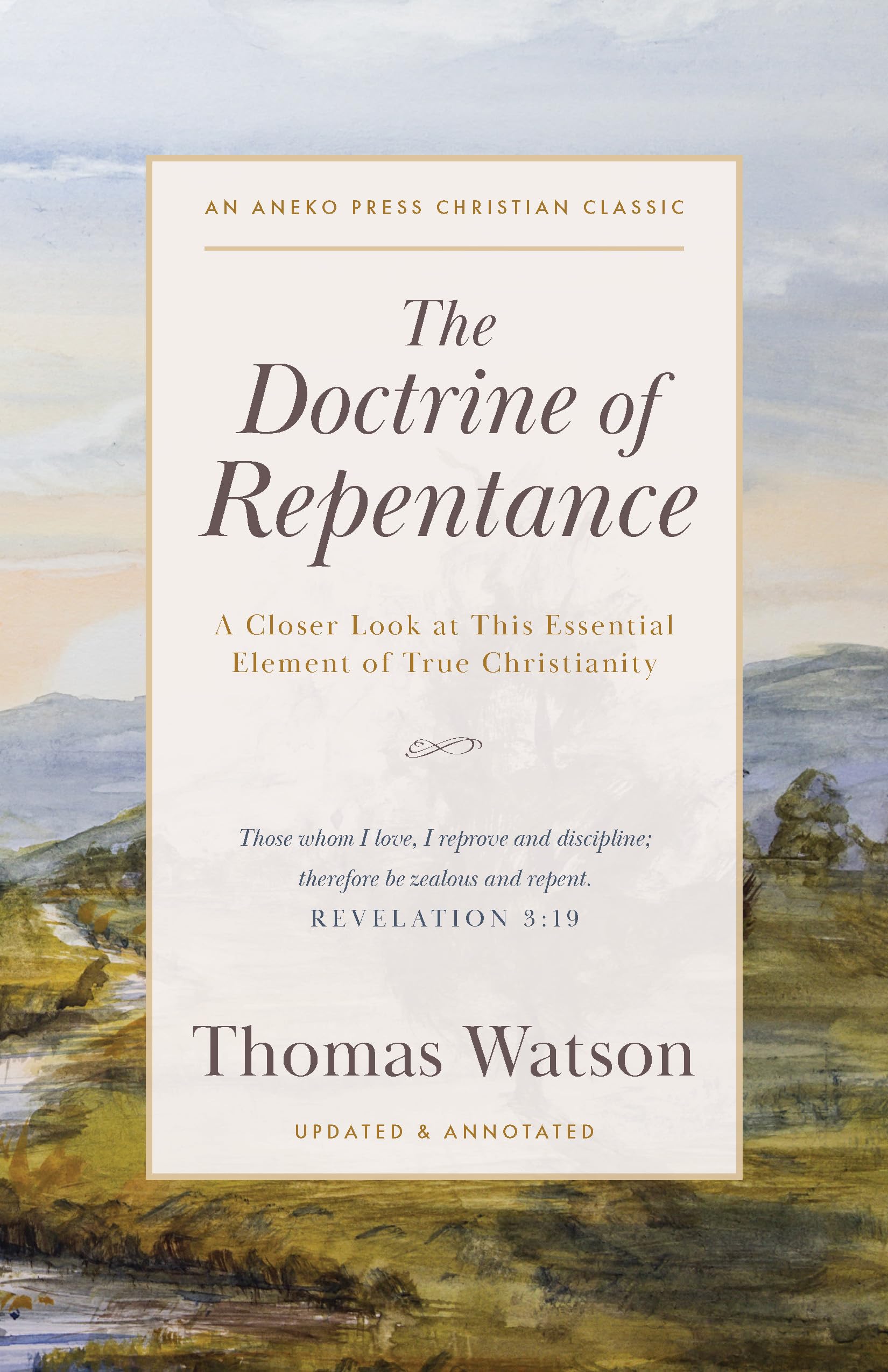
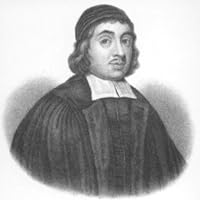
Repentance is not optional . It is not left to our choice whether or not we will repent, but it is an indispensable command. God has enacted a law in the High Court of heaven that no sinner will be saved except the repenting sinner, and he will not break his own law. No one can willfully continue in sin and expect to be covered by the blood of Christ. Even if all the angels stood before God and begged for the life of an unrepenting person, God would not grant it. The Lord God, compassionate and merciful, . . . who keeps faithfulness for thousands, . . . will by no means leave the guilty unpunished (Exodus 34:6-7). Though God is more full of mercy than the sun is of light, still He will not forgive a sinner who willfully continues to sin. We have, by sin, wronged God . We have eclipsed his honor. We have infringed upon his law, and we should, reasonably, repent of our old ways. By repentance, we humble and judge ourselves for sin. We agree that God would be righteous if he destroyed us, and so we give glory to God and do what we can to repair his honor. Dying to sin is the life of repentance . The very day a Christian turns from sin, he must require of himself a perpetual fast. The eye must fast from impure glances. The ear must fast from listening to slander. The tongue must fast from cursing. The hands must fast from bribes. The feet must fast from unclean paths. And the soul must fast from the love of wickedness. This turning away from sin implies a noticeable change in the lives of those who truly follow Christ. Therefore let us, while we are on this side of the grave, make our peace with God! About the Author Thomas Watson, a 17th-century English Puritan pastor, served at St. Stephen Walbrook Church in London for 16 years. He married Abigail Beadle and had seven children, four of whom died young. Imprisoned briefly in 1651 for plotting to restore Charles II, he returned to his pastoral duties until 1662 when laws against Nonconformists forced him to preach privately. In 1672, he obtained a license to preach at Crosby Hall, London, where he continued until his health declined. He died in 1686 in Barnston, Essex. Known for works like The Godly Man’s Picture and The Ten Commandments, Watson was a devout Christian who faced hardships with unwavering faith.