Authors
John Davies (1938-2015) was a Welsh historian and a television and radio broadcaster. After teaching Welsh history at the University of Wales, Aberystwyth, he retired to Cardiff and appeared frequently as a presenter and contributor to history programmes on television and radio. In the mid-eighties, Davies was commissioned to write a concise history of Wales by Penguin Books to add to its Pelican series of the histories of nations. The decision by Penguin to commission the volume in Welsh was "unexpected and highly commendable," wrote Davies. "I seized the opportunity to write of Wales and the Welsh. When I had finished, I had a typescript which was almost three times larger than the original commission," wrote Davies. The original voluminous typescript was first published in hardback under the Allen Lane imprint. Davies took a sabbatical from his post at the University College of Wales and wrote most of the chapters while touring Europe. Hanes Cymru was translated into English and published in 1993, as there was "a demand among English-speakers to read what was already available to Welsh-speakers," wrote Davies. A revised edition was published (in both languages) in 2007. In 2005, Davies received the Glyndŵr Award for an Outstanding Contribution to the Arts in Wales during the Machynlleth Festival. He won the 2010 Wales Book of the Year for Cymru: Y 100 lle i'w gweld cyn marw.

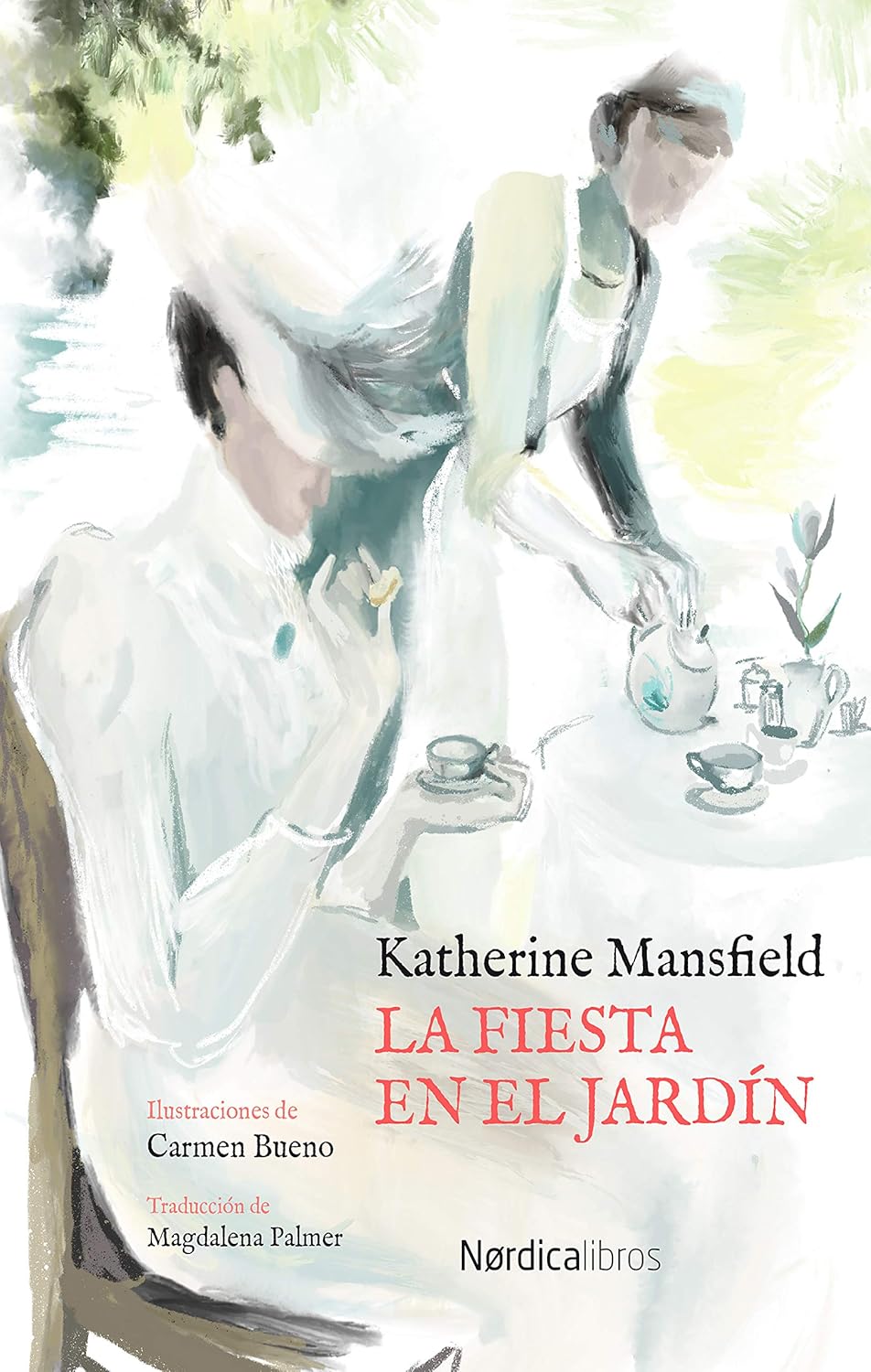
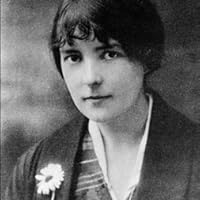
Kathleen Mansfield Murry (née Beauchamp) was a prominent New Zealand modernist writer of short fiction who wrote under the pen name of Katherine Mansfield. Katherine Mansfield is widely considered one of the best short story writers of her period. A number of her works, including "Miss Brill", "Prelude", "The Garden Party", "The Doll's House", and later works such as "The Fly", are frequently collected in short story anthologies. Mansfield also proved ahead of her time in her adoration of Russian playwright and short story writer Anton Chekhov, and incorporated some of his themes and techniques into her writing. Katherine Mansfield was part of a "new dawn" in English literature with T.S. Eliot, James Joyce and Virginia Woolf. She was associated with the brilliant group of writers who made the London of the period the centre of the literary world. Nevertheless, Mansfield was a New Zealand writer - she could not have written as she did had she not gone to live in England and France, but she could not have done her best work if she had not had firm roots in her native land. She used her memories in her writing from the beginning, people, the places, even the colloquial speech of the country form the fabric of much of her best work. Mansfield's stories were the first of significance in English to be written without a conventional plot. Supplanting the strictly structured plots of her predecessors in the genre (Edgar Allan Poe, Rudyard Kipling, H. G. Wells), Mansfield concentrated on one moment, a crisis or a turning point, rather than on a sequence of events. The plot is secondary to mood and characters. The stories are innovative in many other ways. They feature simple things - a doll's house or a charwoman. Her imagery, frequently from nature, flowers, wind and colours, set the scene with which readers can identify easily. Themes too are universal: human isolation, the questioning of traditional roles of men and women in society, the conflict between love and disillusionment, idealism and reality, beauty and ugliness, joy and suffering, and the inevitability of these paradoxes. Oblique narration (influenced by Chekhov but certainly developed by Mansfield) includes the use of symbolism - the doll's house lamp, the fly, the pear tree - hinting at the hidden layers of meaning. Suggestion and implication replace direct detail.