Margins




548 Market St PMB 65688, San Francisco California 94104-5401 USA
© 2026 Paratext Inc. All rights reserved
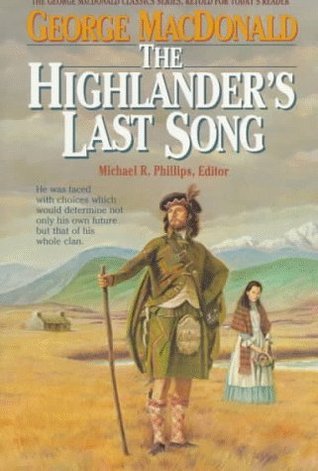
The classic novel of love and loyalty amid a vanishing way of life in the Scottish Highlands from the Victorian-era author of Robert Falconer . This Scottish masterpiece of 1886 contains wonderfully descriptive passages of the Scottish Highlands. The story centers around two families—the English Palmers and that of clan chief Alister Macruadh—and Mr. Palmer’s cruel removal of Clan Ruadh from its traditional lands. This portrait of the Highland Clearances poignantly captures how and why the clan way of life disappeared from the highlands in the 18th and 19th centuries. One of MacDonald’s signature tunes, God’s revelation in nature, is woven throughout the narrative. Along with Robert Falconer, What’s Mine’s Mine also offers insight into MacDonald’s controversial views on the afterlife. The pointed discussions between Calvinist Mrs. Macruadh and her sons Alister and Ian are memorable indeed. In spite of its highland flavor, this intensely Scottish tale did not employ the local dialect, which at the time was primarily Gaelic.