Part of Series
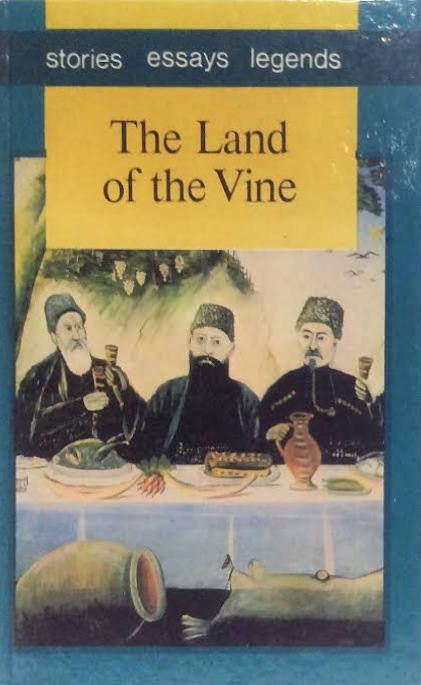
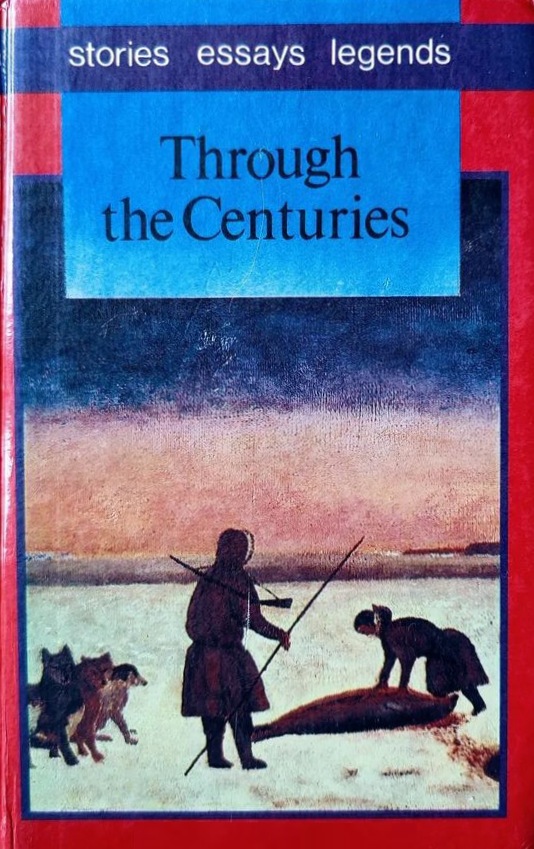
The Caucasus, the great mountain range bounding Georgia, a republic in the South of the USSR, to the North and stretching from the Black Sea to the Caspian, was known in early times as the Mountain of Tongues. Some 50 distinct languages and dialects are spoken in the region to this day, in addition to literary Georgian and Armenian. The variety and contrast that are typical of the area are reflected in this anthology of stories by modern Georgian writers. It includes works by Nodar Dumbadze, Archil Sulakauri, Otia Ioseliani, Guram Dochanashvili, Goderdzi Chokheli, as well as by the well-known Abkhazian author, Fazil Iskander and by the Tbilisi-born poet and prose writer Bulat Okudzhava. The two latter authors now live in Moscow. These are names that hardly need an introduction for they are virtually as well known abroad as they are in the Soviet Union.
Authors


Nodar Dumbadze (July 14, 1928 – September 4, 1984) was a Georgian writer and one of the most popular authors in the late 20th-century Georgia. Born in Tbilisi, he graduated from the Faculty of Law at Tbilisi State University in 1950. The same year, his first poems and humorous stories appeared in the Georgian press. He edited the satirical magazine Niangi from 1967 until 1972 when he became a secretary of the Union of Georgian Writers and a member of the presidium of the Union of Soviet Writers in 1972. Most of his fame came through his novels Me, Grandma, Iliko and Ilarioni (1960), I Can See the Sun (1962), A Sunny Night (1967), Don’t Be Afraid, Mother! (1971), The White Banners (1973), and The Law of Eternity (1978). His works are remarkable for simplicity and lyricism of the prose, humor, and melancholy coupled with optimism. He was awarded the Shota Rustaveli State Prize in 1975 and the Lenin Prize in 1980. Most of his major works have been dramatized and/or filmed. He died in Tbilisi and was buried there, at the Children’s Town "Mziuri" founded by him.


1949 წელს დაამთავრა საქართველოს პოლიტექნიკური ინსტიტუტი ინჟინერ-ჰიდროლოგიის სპეციალობით. ლიტერატურაში მისი სამწერლო დებიუტი ამავე ხანებში შედგა. პირველი ნაწარმოებები გამოაქვეყნა ახალგაზრდულ გაზეთებსა და „ნიანგში“. 1951 წელს ჟურნალ „დროშაში“ დაიწყო მუშაობა და სამუდამოდ დაუკავშირდა ლიტერატურას. ჟურნალების ფურცლებზე აქვეყნებდა უტყუარი ნიჭით აღბეჭდილ ნარკვევებსა და მოთხრობებს. მისი საქმიანი თვისებები — მომთხოვნელობა, პრინციპულობა, გემოვნება — სრულიად გამოვლინდა ჟურნალ „მნათობში“ პასუხისაგებ თანამდებობებზე მოღვაწეობისას. მკითხველმა შეიყვარა ამ უზადო ხელოვანის „მაღალი ჭერი“, „ათფურცლიანი რვეულები“, „გოგონა რომელსაც ზღვა უყვარს“, „მწვანე ფარდა“, „მეცხრე კარი“ და სხვა. განსაკუთრებულად წარმოჩნდა მწერლის ოსტატობა მის ბოლო ორ რომანში — „ცაში ასროლილი ქუდები“ და „წითელი ღრუბლები“. დაკრძალულია მწერალთა და საზოგადო მოღვაწეთა დიდუბის პანთეონში.

Goderdzi Chokheli (Georgian: გოდერძი ჩოხელი) (October 2, 1954 – November 16, 2007) was a Georgian novelist, scriptwriter, and film director. Born in the village Chokhi in then-Soviet Georgia, he graduated from Tbilisi State Theatre Institute in 1979, and debuted in cinema in 1978. Some of his most successful films are The Resurrection (1982), Human Sadness (1984), Easter Lamb (1988), The Children of Sin (1989), The Birds of Paradise (1997), The Gospel According to Luke (1998), and The Chained Knights (2000). He also authored several novellas and collections of stories such as Letter to Fir-trees, Twilight Gorge, People Melancholy, Wolf, Fish's Letters, Priest’s Sin, Keep me Motherland, Pursuer Fate, Going to Heaven, and The Life of the Grass. LITERARY PRIZES AND AWARDS - Grand Prize for the film “Easter”, International Short Film Festival Oberhausen, Germany, 1982 - “Silver Nymph” and prize of International Catholic Church for the film “Children of Sin”, Monte Carlo Film Festival, 1991 - Special Prize at Japan Film Festival (1991) - Prizes for the Best Script and Best Film Producing at Tbilisi “Gold Eagle” Festival, 1992 - Grand Prize at Anapa festival for the film “Turtle-Doves of Paradise”, 1997 - Prize for the best script at Anapa Festival for the film “Gospel According to Luke”, 1998

Otia Ioseliani (Georgian: ოტია იოსელიანი) (June 16, 1930 – July 14, 2011) was a Georgian prose writer and dramatist, whose plays have been successfully staged in Georgia as well as in other countries of the former Soviet Union and East Germany. Otia Ioseliani was born in the village of Gvishtibi, Tsqaltubo District, in then-Soviet Georgia. He began writing in the mid-1950s and published his first collection of stories in 1957. The nationwide recognition came with his first novel The Falling Stars (ვარსკვლავთცვენა, 1962), which, like Ioseliani's many early works, treated the theme of World War II.[1] He then tackled in his works a great variety of themes using different artistic styles. In the 1960s and 1970s, he published popular novels such as Once There Was a Woman (იყო ერთი ქალი, 1970), Taken Prisoner by Prisoners (ტყვეთა ტყვე, 1975), and a number of stories. In the 1960s, Ioseliani first tried his hand at screen scripts and theatre plays, resulting, among others, in the comedies Until the Ox-Cart Turns Over (სანამ ურემი გადაბრუნდება, 1969) and Six Old Maids and a Man (ექვსი შინაბერა და ერთი მამაკაცი, 1971), which were successful enough to fill the theatres in East Berlin. Ioseliani died in 2011 at the age of 81. He was buried in the yard of his own house in his native Gvishtibi according to the will of the late writer. Among his awards was Georgia's Order of Honor.

რევაზ კონსტანტინეს ძე ინანიშვილი დაიბადა 1926 წლის 20 დეკემბერს, საგარეჯოს მუნიციპალიტეტის სოფელ ხაშმში, მოსამსახურის ოჯახში. მშობლიურ სოფელში ხუთი კლასი დაამთავრა. 1937 წელს ოჯახთან ერთად საცხოვრებლად გადავიდა თბილისში. საშუალო სკოლის დამთავრების შემდეგ, მეორე მსოფლიო ომის წლებში (1943–45) მუშაობდა 31-ე ქარხანაში. შემდეგ სწავლობდა საავიაციო ტექნიკუმში, რომელიც არ დაუმთავრებია. 1947 წელს შევიდა თბილისის სახელმწიფო უნივერსიტეტის ფილოლოგიის ფაკულტეტზე, 1949 წელს სწავლა მიატოვა დის ოჯახის სიდუხჭირის გამო და მუშაობა დაიწყო “სამგორის” არხის მშენებლობაზე. 1951 წელს კვლავ დაუბრუნდა სწავლას და 1956 წელს დაამთავრა თსუ-ის ფილოლოგიის ფაკულტეტი. 1952 წელს დაოჯახდა და ოთხი წელი ცხოვრობდა ლიტერატურული შრომით. 1960 წლიდან მუშაობა დაიწყო საბავშვო გამომცემლობა “ნაკადულში”. 1966 წელს გადავიდა კინოსტუდია "ქართული ფილმის" სასცენარო განყოფილებაში. 1985-1988 წლებში მუშაობდა მწერალთა კავშირის მდივნად. 1989 წლიდან სიცოცხლის ბოლომდე (1991) იყო ჟურნალ "დილას" რედაქტორი. პირველი მოთხრობა "სახსოვარი" გამოაქვეყნა ალმანახ "პირველ სხივში" 1950 წელს, ხოლო პირველი კრებული "პირველი მოთხრობები" – 1953 წელს. მისი ნაწარმოებები თარგმნილია რუსულ, უკრაინულ, გერმანულ, ბულგარულ, სომხურ და სხვა ენებზე. რევაზ ინანიშვილი გარდაიცვალა 1991 წელს. იგი დაკრძალულია დიდუბის მწერალთა და საზოგადო მოღვაწეთა პანთეონში.


Guram Dochanashvili (Georgian: გურამ დოჩანაშვილი) (born March 26, 1939) was a Georgian prose writer, a historian by profession, who has been popular for his short stories since the 1970s. Dochanashvili was born in Tbilisi, the capital of then-Soviet Georgia. Having graduated from the Tbilisi State University in 1962, he worked for the Institute of History, Archaeology and Ethnography, and participated in several archaeological expeditions from 1962 to 1975. He then managed the prose section of the literary magazine Mnatobi from 1975 to 1985. Since 1985, he has been a director-in-chief of the Gruziya-film studio. Dochanashvili debuted as a writer in 1961. He was immediately noted for his rejection of the Soviet literary dogmas of Social Realism, and his dissident views. Since then, he has published dozens of stories and novellas which won him a nationwide acclaim for their fairy-tale lightness and invention.[1] His most popular work is the 1975 novel The First Garment (სამოსელი პირველი) based on the Holy Bible and story of the War of Canudos in the 19th-century Brazil.


Revaz (Rezo) Cheishvili [Georgian: რევაზ (რეზო) ჭეიშვილი] was a Georgian writer and scriptwriter. He was born and grew up in the city of Kutaisi, then Georgia's second intellectual centre. He moved to the capital in 1954 to continue his studies, and in 1958 he graduated from Tbilisi State University with a degree in Georgian language and literature. In the same year, his short stories were published for the first time, in the almanac "First Ray". Rezo Cheishvili worked from 1961 to 1992 at the "Georgian Film" studio as an editor, as a member of the Film Script Administrative Board, and as a member of the Creative Association and as one of its leaders. In conjunction with this, he edited various Georgian literary journals and newspapers. Additionally, he continued to publish short stories and novels, and to write film scripts. Rezo Cheishvili has been awarded Georgia's highest honour in the field of literature, the Rustaveli Award. He has also received the Georgian State Prize. In 1984, he received the USSR State Prize for the script for "The Blue Mountains". In 2012 he received Honorary award SABA for his contribution to the literature. He wrote the script of Eldar Shengelaia's famous Blue Mountains, or Unbelievable Story (1983, Kartuli Pilmi), an adaptation of his own story which was released domestically in 1985 and brought success to his author, who soon after became a laureate of the Rustaveli Award. He is also known for the scripts of Stepmother Samanishvili (Kartuli Pilmi, 1977) by Eldar Shengelaia and Kvarkvare (Kartuli Pilmi, 1978) by Devi Abashidze. Rezo Cheishvili was elected Secretary of the Georgian Writers’ Union in 1992. From 1992 to 1995 he was an elected MP in the third Parliament of Georgia. From 2000, he served as Chairman of the Literature Foundation of Georgian Writers. Аcclaimed Georgian writer and screenwriter Revaz (Rezo) Cheishvili passed away on September 11, 2015 in Kutaisi af age of 82 and buried at the Mtsvanekvavila Pantheon.