Margins
Stories. Essays. Legends by Raduga publishers Moscow book cover 1
Stories. Essays. Legends by Raduga publishers Moscow book cover 2
Stories. Essays. Legends by Raduga publishers Moscow book cover 3
Stories. Essays. Legends by Raduga publishers Moscow
Series · 4 books · 1988-1996

Books in series

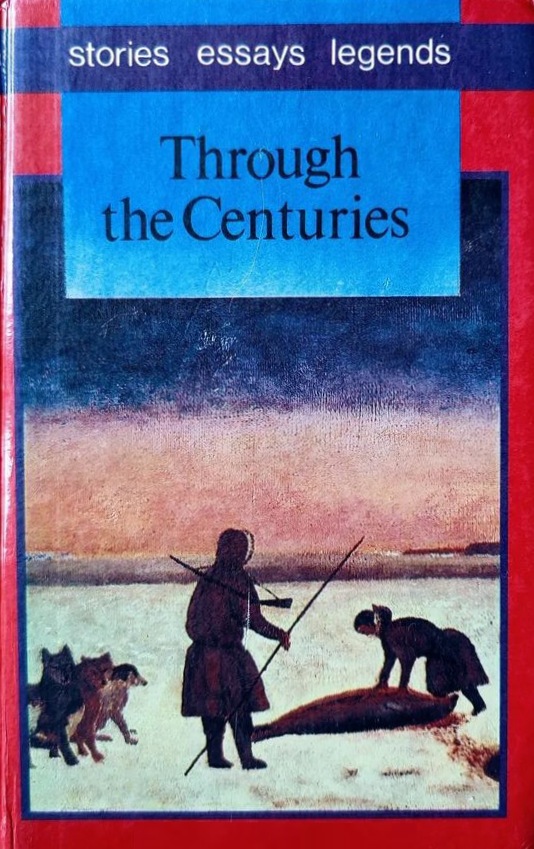
Through the Centuries book cover
#1

Through the Centuries

Stories about the Russian Far North

1988

This book tells of the Far North, of the many small nationalities who have lived from time immemorial on the wide open spaces of the Arctic coast between the Barents Sea in the west and Kamchatka and the Kuril Islands in the east, between Murmansk and Vladivostok. These nationalities are sometimes referred to as "minor", because their populations are not large - some number no more than a thousand people. But each nationality has its own language, its own culture and its own arctic traditions handed down from generation to generation. 'Through the Centuries' has brought together some of the best works about the Russian Far North by such authors as the Chukchi, Yuri Rytkheu, the Mansi Yuvan Shestalov, the Nenets, Vasily Ledkov and the Yukaghir, Semyon Kurilov.
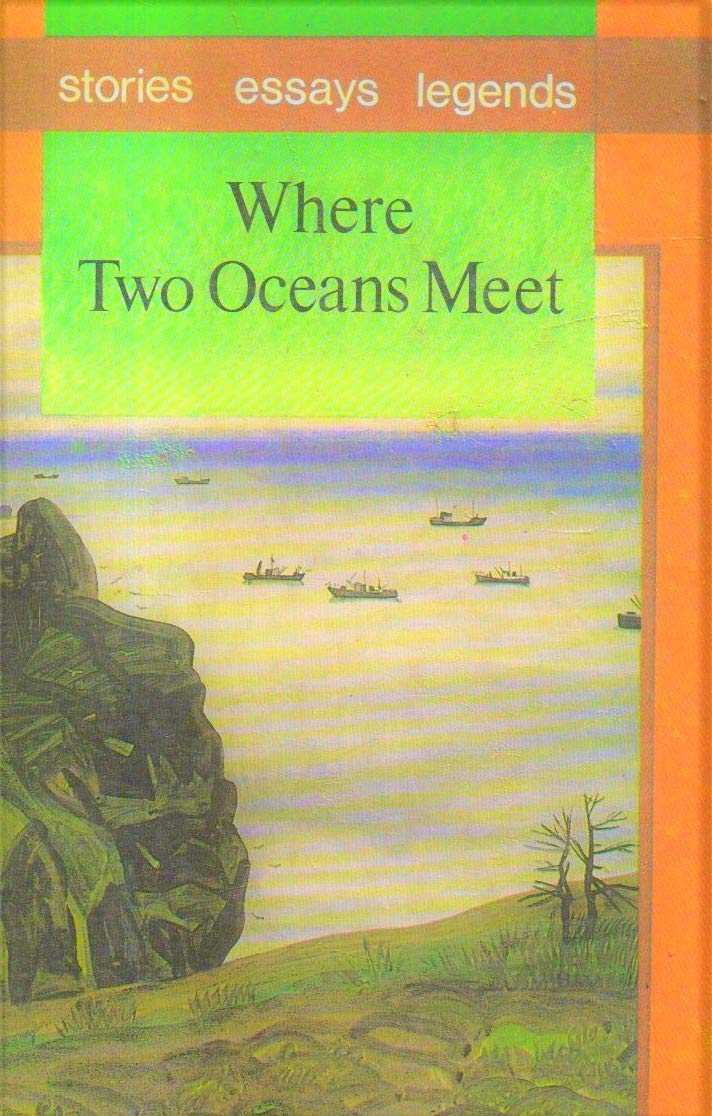
Where Two Oceans Meet book cover
#3

Where Two Oceans Meet

Stories About Russia's Far East

1988

Content Shore of Two Oceans (Introduction) Author: Yuri Leonov Translation: Cynthia Rosenberger page 8 Dersu Uzala - Vladimir Arsenyev, novella Translation: Vic Shneyerson p. 17 Metelitsa - Alexander Fadeyev, story Translation: Graham Whittaker page 38 The Death of Captain Nezelasov - Vsevolod Ivanov, short story Translation: Keith Hammond p. 53 The Commandant of Bird Island - Sergei Dikovsky, story Translation: N. Kaye p. 66 At the Source - Vladimir Sangi, short story Translation: Cynthia Rosenberger p. 87 The Wedding - Victor Levashov Translation: Cynthia Rosenberger page 97 The Taiga - Pyotr Proskurin, story p. 120 Watercolors - Anatoly Kim, story Translation: Cynthia Rosenberger p. 180 The Kuriban - Valentin Fyodorov, story Translation: Cynthia Rosenberger p. 194 Fear - Sergei Kucherenko, story Translation: Cynthia Rosenberger p. 205 The Shore of Princess Lucinda - Oleg Kuvayev, story Translation: Cynthia Rosenberger p. 213 The Last Hunt - Grigory Khodzher, story Translation: Cynthia Rosenberger p. 226 In the Mine - Alexander Pletnyov Translation: Graham Whittaker p. 252 Out There, with the Sun and Life - Vyacheslav Sukachev, story Translation: Cynthia Rosenberger p. 292 The Death of the Leader - Anatoly Tkachenko, story Translation: Cynthia Rosenberger p. 302 Fact and Fantasy - Nikolai Ryzhikh, story Translation: Linda Noble p. 317 The Valley of Geysers - Anatoly Sevastyanov, story Translation: Cynthia Rosenberger p. 325 The Wave Is Coming - Anatoly Sevastyanov, story Translation: Cynthia Rosenberger p. 332 Chudo-Yudo, the Wonder Monster - Yuri Leonov, story p. 338

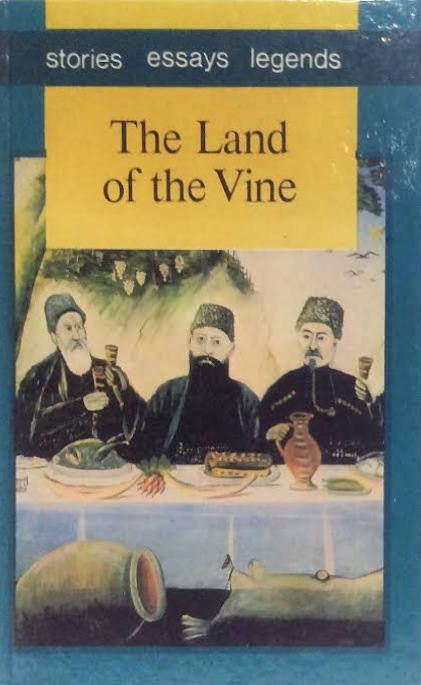
The Land of the Vine book cover
#4

The Land of the Vine

1990

The Caucasus, the great mountain range bounding Georgia, a republic in the South of the USSR, to the North and stretching from the Black Sea to the Caspian, was known in early times as the Mountain of Tongues. Some 50 distinct languages and dialects are spoken in the region to this day, in addition to literary Georgian and Armenian. The variety and contrast that are typical of the area are reflected in this anthology of stories by modern Georgian writers. It includes works by Nodar Dumbadze, Archil Sulakauri, Otia Ioseliani, Guram Dochanashvili, Goderdzi Chokheli, as well as by the well-known Abkhazian author, Fazil Iskander and by the Tbilisi-born poet and prose writer Bulat Okudzhava. The two latter authors now live in Moscow. These are names that hardly need an introduction for they are virtually as well known abroad as they are in the Soviet Union.
In the Land of the White Nights book cover
#5

In the Land of the White Nights

Stories, Essays from Russia's North Western Area

1996

An illustrated collection of stories, essays, and legends from Russia’s northwestern area.

Authors

Yuvan Shestalov
Yuvan Shestalov
Author · 1 book

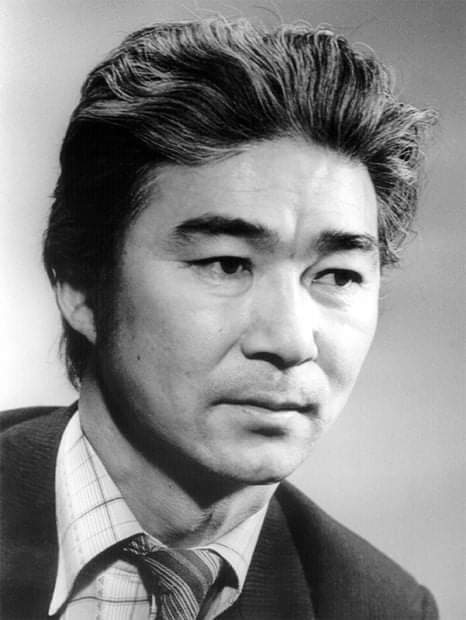
Yuvan Nikolayevich Shestalov Russian: Юван Николаевич Шесталов;(1937-2011) was a Mansi writer from Russia. Shestalov is arguably the best known author in the Mansi language although he mostly wrote in Russian. His work in Mansi and Russian has been widely translated and he worked actively to preserve his native language and culture. He also became a laureate of several Soviet and Russian literary prizes. The first poetic book by Yu. Shestalov in the Mansi language "Makem At" ("Breath of the Earth") was published in 1958 in Tyumen. The first really successful work was "The Pagan Poem" (1971), in which the author tried to translate into the language of poetry the ritual culture of his people with its actions and multi-layered spiritual content. After the breakup of the Soviet Union in 1991, he converted to shamanism.

Pyotr Proskurin
Pyotr Proskurin
Author · 1 book
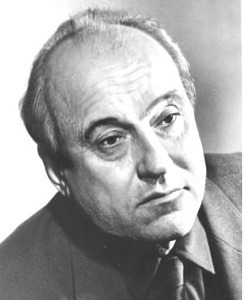
Пётр Лукич Проскурин русский советский писатель. Герой Социалистического Труда (1988). Лауреат Государственной премии СССР (1979). Член КПСС с 1971 года.
Revaz Inanishvili
Revaz Inanishvili
Author · 6 books

რევაზ კონსტანტინეს ძე ინანიშვილი დაიბადა 1926 წლის 20 დეკემბერს, საგარეჯოს მუნიციპალიტეტის სოფელ ხაშმში, მოსამსახურის ოჯახში. მშობლიურ სოფელში ხუთი კლასი დაამთავრა. 1937 წელს ოჯახთან ერთად საცხოვრებლად გადავიდა თბილისში. საშუალო სკოლის დამთავრების შემდეგ, მეორე მსოფლიო ომის წლებში (1943–45) მუშაობდა 31-ე ქარხანაში. შემდეგ სწავლობდა საავიაციო ტექნიკუმში, რომელიც არ დაუმთავრებია. 1947 წელს შევიდა თბილისის სახელმწიფო უნივერსიტეტის ფილოლოგიის ფაკულტეტზე, 1949 წელს სწავლა მიატოვა დის ოჯახის სიდუხჭირის გამო და მუშაობა დაიწყო “სამგორის” არხის მშენებლობაზე. 1951 წელს კვლავ დაუბრუნდა სწავლას და 1956 წელს დაამთავრა თსუ-ის ფილოლოგიის ფაკულტეტი. 1952 წელს დაოჯახდა და ოთხი წელი ცხოვრობდა ლიტერატურული შრომით. 1960 წლიდან მუშაობა დაიწყო საბავშვო გამომცემლობა “ნაკადულში”. 1966 წელს გადავიდა კინოსტუდია "ქართული ფილმის" სასცენარო განყოფილებაში. 1985-1988 წლებში მუშაობდა მწერალთა კავშირის მდივნად. 1989 წლიდან სიცოცხლის ბოლომდე (1991) იყო ჟურნალ "დილას" რედაქტორი. პირველი მოთხრობა "სახსოვარი" გამოაქვეყნა ალმანახ "პირველ სხივში" 1950 წელს, ხოლო პირველი კრებული "პირველი მოთხრობები" – 1953 წელს. მისი ნაწარმოებები თარგმნილია რუსულ, უკრაინულ, გერმანულ, ბულგარულ, სომხურ და სხვა ენებზე. რევაზ ინანიშვილი გარდაიცვალა 1991 წელს. იგი დაკრძალულია დიდუბის მწერალთა და საზოგადო მოღვაწეთა პანთეონში.

Grigory Khodzher
Grigory Khodzher
Author · 1 book
Grigory Gibivich Hodger (Cyrillic: Григорий Гибивич Ходжер) Soviet Nanai writer. Member of the CPSU since 1954. Honored Worker of Culture of the RSFSR
Vladimir Sangi
Vladimir Sangi
Author · 1 book

Vladimir Mikhailovich Sangi, is a Nivkh writer and publicist. He writes in Nivkh and Russian. Sangi was born 18 March 1935 in the nomadic settlement Nabil (now a village in Sakhalin Oblast). He graduated from Herzen University in 1959 and became a member of the Union of Soviet Writers in 1962. In 1965 he completed upper literature courses. In 1967 he joined the Communist Party of the Soviet Union. He settled in Moscow in the mid-1960s, and since 1975 has been a chairman of the Union of Russian Writers. After perestroika he moved back to Sakhalin, where in 1993 he was elected chief of the tribes of Ket Eastern Sakhalin and the basin of the Tym River.[1] He is also a member of the International League for Human Rights under the United Nations Economic and Social Council. A speaker of the East Sakhalin dialect of Nivkh, Sangi is the founder of Nivkh literature, one of the creators of the reformed Nivkh alphabet (introduced by an act of the Council of Ministers of the Soviet Union on 29 June 1979[2]), and the author of the rules of Nivkh orthography, a Nivkh language primer, a Nivkh language textbook, textbooks for Nivkh schools, and books for reading in Nivkh,[3][4] as well as a publisher of Nivkh translations of Russian classics.

Archil Sulakauri
Archil Sulakauri
Author · 6 books
ქართველი პოეტი და პროზაიკოსი. დაჯილდოებულია შოთა რუსთაველის სახელობის სახელმწიფო პრემიითა (1971) და "საპატიო ნიშნის" ორდენით. არჩილ სულაკაურმა 1951 წელს თბილისის სახელმწიფო უნივერსიტეტის ფილოლოგიის ფაკულტეტი დაამთავრა. 1973 წლიდან სულაკაური იყო გამომცემლობა "ნაკადულის" დირექტორი, ხოლო 1982 წლიდან - ჟურნალ "მნათობის" მთავარი რედაქტორი.
Guram Dochanashvili
Guram Dochanashvili
Author · 14 books

Guram Dochanashvili (Georgian: გურამ დოჩანაშვილი) (born March 26, 1939) was a Georgian prose writer, a historian by profession, who has been popular for his short stories since the 1970s. Dochanashvili was born in Tbilisi, the capital of then-Soviet Georgia. Having graduated from the Tbilisi State University in 1962, he worked for the Institute of History, Archaeology and Ethnography, and participated in several archaeological expeditions from 1962 to 1975. He then managed the prose section of the literary magazine Mnatobi from 1975 to 1985. Since 1985, he has been a director-in-chief of the Gruziya-film studio. Dochanashvili debuted as a writer in 1961. He was immediately noted for his rejection of the Soviet literary dogmas of Social Realism, and his dissident views. Since then, he has published dozens of stories and novellas which won him a nationwide acclaim for their fairy-tale lightness and invention.[1] His most popular work is the 1975 novel The First Garment (სამოსელი პირველი) based on the Holy Bible and story of the War of Canudos in the 19th-century Brazil.

Anna Nerkagi
Author · 3 books
Anna Nerkagi is a Nenets writer, novelist, and social activist of the Nenets people in Siberia, writing in Russian language.
Otia Ioseliani
Otia Ioseliani
Author · 5 books

Otia Ioseliani (Georgian: ოტია იოსელიანი) (June 16, 1930 – July 14, 2011) was a Georgian prose writer and dramatist, whose plays have been successfully staged in Georgia as well as in other countries of the former Soviet Union and East Germany. Otia Ioseliani was born in the village of Gvishtibi, Tsqaltubo District, in then-Soviet Georgia. He began writing in the mid-1950s and published his first collection of stories in 1957. The nationwide recognition came with his first novel The Falling Stars (ვარსკვლავთცვენა, 1962), which, like Ioseliani's many early works, treated the theme of World War II.[1] He then tackled in his works a great variety of themes using different artistic styles. In the 1960s and 1970s, he published popular novels such as Once There Was a Woman (იყო ერთი ქალი, 1970), Taken Prisoner by Prisoners (ტყვეთა ტყვე, 1975), and a number of stories. In the 1960s, Ioseliani first tried his hand at screen scripts and theatre plays, resulting, among others, in the comedies Until the Ox-Cart Turns Over (სანამ ურემი გადაბრუნდება, 1969) and Six Old Maids and a Man (ექვსი შინაბერა და ერთი მამაკაცი, 1971), which were successful enough to fill the theatres in East Berlin. Ioseliani died in 2011 at the age of 81. He was buried in the yard of his own house in his native Gvishtibi according to the will of the late writer. Among his awards was Georgia's Order of Honor.

Yuri Rytkheu
Yuri Rytkheu
Author · 4 books

In Cyrillic: Юрий Рытхэу Yuri Sergeyevich Rytkheu. He was a Chukchi writer, who wrote in both his native Chukchi and in Russian. He is considered to be the father of Chukchi literature. Yuri Rytkheu was born on March 8, 1930 in the village of Uelen in the Far Eastern Territory (now the Chukotka Autonomous Okrug) in the family of a hunter-St. John's wort. His grandfather was a shaman. At birth, the boy was given the name Rytkheu, which means "unknown" in Chukchi. Since the Soviet institutions did not recognize the Chukchi names, in the future, in order to obtain a passport, the future writer took a Russian name and patronymic, and the name "Rytkheu" became his last name. Rytkheu graduated from a seven-year school in Uelen and wanted to continue his studies at the Institute of the Peoples of the North, but due to his age he was not among those who were seconded to this university. Therefore, he decided to independently go to Leningrad for training. This path stretched over several years. In order to earn money for travel and life, the future writer was hired for various jobs: he was a sailor, worked on a geological expedition, participated in the hunting game, was a loader at a hydro base. Rytkheu studied at the literary faculty of Leningrad State University from 1949 to 1954. The writer was a little over 20 years old when his stories appeared in the almanac "Young Leningrad", and a little later in the magazines "Ogonyok", "Young World", "Far East", the youth newspaper "Smena" and other periodicals. In 1953, the publishing house "Young Guard" published his first collection of short stories in Russian "People of Our Coast" (translated from Chukotka by A. Smolyan). During his student days, Yuri Rytkheu was actively involved in translation activities, translated into Chukchi the tales of Alexander Pushkin, the stories of Leo Tolstoy, the works of Maxim Gorky and Tikhon Syomushkin. In 1954 Rytkheu was admitted to the Writers' Union of the USSR. Two years later, in Magadan, his collection of stories "The Chukotka Saga" was published, which brought the writer recognition not only of Soviet, but also foreign readers.

Guram Rcheulishvili
Guram Rcheulishvili
Author · 7 books
Guram Rcheulishvili was born on July 4, 1934 in Tbilisi. In 1957 he graduated Tbilisi State University on historical faculty. His first stories, which were printed in newspaper “Tsiskari” in 1957, brought him a big success. In writer’s life, only see of his works were published. His collected works “Salamura” were published after his death, in 1961. Rcheulishvili’s prose attracted reader by its style, dialogues and ideas. He wrote stories like the mustangs or slow tango. Nowadays he is still popular. Guram Rcheulishvili’s works are translated on German, Hungarian, Bulgarian, Lithuanian, Czech and Russian languages. At age of 26, he died in Gagra on 23 August 1960, when saving an unknown Russian girl in a rough sea. Buried in Tbilisi, at Vake cemetery.
Alexander Fadeyev
Alexander Fadeyev
Author · 4 books

Alexander Alexandrovich Fadeyev (Russian: Александр Алексaндрович Фадеев) was a Soviet writer, one of the co-founders of the Union of Soviet Writers and its chairman from 1946 to 1954. From 1908 to 1912 he lived in Chuguyevka, Primorsky Krai. He took part in the guerrilla movement against the Japanese interventionists and the White Army during the Russian Civil War. In 1927, he published the novel The Rout (also known as The Nineteen), in which he described youthful guerrilla fighters. In 1945 he wrote the novel Young Guard (based upon real events of World War II) about the underground anti-fascist Komsomol organization named Young Guard, which fought against the Nazis in the occupied city Krasnodon (in the Ukrainian SSR). For this novel, Fadeyev was awarded the Stalin Prize (1946). In 1948, a Soviet film The Young Guard, based on the book, was released, and later revised in 1964 to correct inaccuracies in the book. Fadeyev was a champion of Joseph Stalin, proclaiming him "the greatest humanist the world has ever known". During the 1940s, he actively promoted Zhdanovshchina, a campaign of criticism and persecution against many of the Soviet Union's foremost composers. However, he was a friend of Mikhail Sholokhov. Fadeyev married a famous stage actress, Angelina Stepanova (1905–2000). In the last years of his life Fadeyev became an alcoholic. Some sources claim, that this was mostly due to the denunciation of Stalinism during the Khrushchev Thaw. He eventually committed suicide at his dacha in Peredelkino, leaving a dying letter, from which one can see Fadeyev's strictly negative attitude to new leaders of the Party. His death occasioned an epigram by Boris Pasternak, his neighbor. Alexander Fadeyev is buried in the Novodevichy Cemetery in Moscow.

Alexander Yashin
Alexander Yashin
Author · 1 book

Alexander Popov (Yashin - his pen name in Russian Александр Яшин) was born on 14 (27) in March 1913 in the village Bludnova (now Nikolsky Vologda Region) in a peasant family. Seventh grade and graduated from the Pedagogical College in Nikolsk. Since 1932 he worked as a rural teacher, then as a journalist. Already fifteen years Sasha Popov began to be printed in national magazines, in the same young age, he was elected a delegate to the first North Dvina Provincial Congress of Proletarian Writers, at nineteen he - writer of the regional newspaper, Chairman of the organizing committee of the regional Union of Writers. After two years in Arkhangelsk Yashin published the first book "Songs of the North", and he was immediately sent a delegate to the First Congress of Writers in Moscow. Beside him, sitting in the hall L.M.Leonov, MA Sholokhov, Gorky. A year later, he moved permanently to the capital and entered the Literary Institute. Gorky (finished in 1941). Becoming known after the publication of the book "Severyanka" (1938). The war he volunteered Yashin was war correspondent and political worker, participated in the battles. Feat Stalingrad dedicated his poem, "The City of Anger" (1943). Frontier World Yashin was performed on a par with everyone else. Wartime emergencies do not become a poet, editor and correspondent mnogotirazhek essential experience of the soul. The war did not begin its topic. Alexander Yashin has not entered once and for all the mighty poets commissioned soldiers and military not write prose (exception - a single story "After the battle"). Yashin was discharged for health reasons in 1944 In the 1940-1950s . he published several collections of poems, for the poem "Alena Fomin" (1949) he was awarded the Stalin (State) Award. Alexander Yashin later realized that his talent - especially talent writer. "Mundane attribute to his debut in 1956 - he wrote - when the story was published" Leverage "." His stories "Leverage" (1956), "Vologda Wedding" (1962), "My treat ash" (1965) and others has become a landmark for Russian prose, were marked by civil courage and a high artistic level. "I became too much to understand and and see with what I can not accept, "- he once wrote in his diary. Wealth and Poverty powers mere mortals, deceit and injustice, bullying officials over Russia ... Yashin Tale "Visiting son" (1957) was published only in the eighties, in the wake of "perestroika", shamelessly cloned "thaw" of the late fifties and early sixties, but it turned out to be an eternal story. confessional sincerity and filled with collections of poems Yashin "Barefoot in the earth" (1965), "The Day of Creation" (1968). Yashin - one of the founders of the Vologda writers' organization, a senior fellow and teacher V.I.Belova, N.M.Rubtsova, A.A.Romanova, V.V.Korotaeva Vologda and other writers. He was one of the first predicted outstanding poetic fate Nicholas Rubtsov, and no mistake. Yashin and not mistaken in assessing his favorite student Vasily Belov. He strongly advised him, then another author of the poetic books, writing prose. His message was dying literary testament: "Looking back, I think that we spend a lot of time wrongfully on unnecessary trouble (for all sorts of alleged theoretical research and talk about the essence of poetry, ways of its development, traditions and nationalities), when ... you just need to write. Write, who spelled. Write until written. Write, while desirable, yet pulls up to the table. Write and write, and there ... we'll see what that's worth, who will be able to achieve that same ... Different theoretical essays and let the calculations assumes someone else, one of those who probably smarter than us ... But the fact of the artist - to sit and their work, constant creative tension, concentration and diligence to pay for the great good fortune to live on earth. " A. I. Yashin died July 11, 1968 in Moscow. He was buried in his native village. Yashin named s

Edisher Kipiani
Edisher Kipiani
Author · 3 books

1949 წელს დაამთავრა საქართველოს პოლიტექნიკური ინსტიტუტი ინჟინერ-ჰიდროლოგიის სპეციალობით. ლიტერატურაში მისი სამწერლო დებიუტი ამავე ხანებში შედგა. პირველი ნაწარმოებები გამოაქვეყნა ახალგაზრდულ გაზეთებსა და „ნიანგში“. 1951 წელს ჟურნალ „დროშაში“ დაიწყო მუშაობა და სამუდამოდ დაუკავშირდა ლიტერატურას. ჟურნალების ფურცლებზე აქვეყნებდა უტყუარი ნიჭით აღბეჭდილ ნარკვევებსა და მოთხრობებს. მისი საქმიანი თვისებები — მომთხოვნელობა, პრინციპულობა, გემოვნება — სრულიად გამოვლინდა ჟურნალ „მნათობში“ პასუხისაგებ თანამდებობებზე მოღვაწეობისას. მკითხველმა შეიყვარა ამ უზადო ხელოვანის „მაღალი ჭერი“, „ათფურცლიანი რვეულები“, „გოგონა რომელსაც ზღვა უყვარს“, „მწვანე ფარდა“, „მეცხრე კარი“ და სხვა. განსაკუთრებულად წარმოჩნდა მწერლის ოსტატობა მის ბოლო ორ რომანში — „ცაში ასროლილი ქუდები“ და „წითელი ღრუბლები“. დაკრძალულია მწერალთა და საზოგადო მოღვაწეთა დიდუბის პანთეონში.

Guram Panjikidze
Guram Panjikidze
Author · 4 books
გურამ ფანჯიკიძე დაიბადა 1933 წლის 22 აპრილს თბილისში. 1956 წელს დაამთავრა საქართველოს პოლიტექნიკური ინსტიტუტი. მუშაობდა რუსთავის მეტალურგიულ ქარხანაში, პოლიტექნიკურ ინსტიტუტში. პარალელურად, იყო გაზეთ „ლენინელის“ რედაქტორი. ლიტერატურული მოღვაწეობა დაიწყო 50-იანი წლების დამლევს. მისი პირველი მოთხრობები, „საღამო“, „რაშიდა“, „თოვლიანი დღე“ 1964 წელს გამოიცა. პირველი რომანი – „მეშვიდე ცა“ – ასევე „ცისკარში“ 1967 წელს გამოქვეყნდა და იმთავითვე დიდი რეზონანსი გამოიწვია საზოგადოებაში. ასევე ფართო გამოხმაურება მოჰყვა მწერლის მეორე როამანს – „თვალი პატიოსანი“, შემდგომ კი რომანებს – „აქტიური მზის წელიწადი“ (რომლისთვისაც შოთა რუსთაველის სახ. სახელმწიფო პრემია მიენიჭა) და „სპირალი“. გურამ ფანჯიკიძის კალამს აგრეათვე ეკუთვნის არაერთი პუბლიცისტური ნარკვევი, სამეცნიერო-პოპულარული სტატია და დოკუმენტური პროზის ნიმუში. სხვადასხვა პერიოდში გურამ ფანჯიკიძე რედაქტორობდა ლიტერატურულ გამოცემებს: ალმანახ „განთიადს“, ჟურნალ „ცისკარს“; 1979 წლიდან გამომცემლობა „საბჭოთა საქართველოს“ დირექტორი იყო. იყო მისივე ნაწარმოებების მიხედვით გადაღებული ფილმების – „ლევან ხიდაშელი“, „თვალი პატიოსანი“ და „სპირალი“ – სცენარის ავტორი. გურამ ფანჯიკიძე მოულოდნელად გარდაიცვალა 1997 წელს. დაკრძალულია მწერალთა და საზოგადო მოღვაწეთა დიდუბის პანთეონში.
Victor Astafiev
Victor Astafiev
Author · 6 books

Виктор Астафьев Viktor Petrovich Astafyev also spelled Astafiev or Astaf'ev (Russian: Виктор Петрович Астафьев; 1 May 1924 – 29 November 2001), was a prominent Soviet and Russian writer.

Vsevolod Ivanov
Vsevolod Ivanov
Author · 4 books

Vsevolod Vyacheslavovich Ivanov (Russian: Всеволод Вячеславович Иванов; February 24, 1895 in Lebyazhye, now in Pavlodar Oblast – August 15, 1963, Moscow) was a notable Soviet writer praised for the colourful adventure tales set in the Asiatic part of Russia during the Civil War. Ivanov was born in Northern Kazakhstan to a teacher's family. When he was a child Vsevolod ran away to become a clown in a travelling circus. His first story, published in 1915, caught the attention of Maxim Gorky, who advised Vsevolod throughout his career. Ivanov joined the Red Army during the Civil War and fought in Siberia. This inspired his short stories, Partisans (1921) and Armoured Train (1922). In 1922 Ivanov joined the literary group Serapion Brothers. Other members included Nikolay Tikhonov, Mikhail Zoshchenko, Victor Shklovsky, Veniamin Kaverin, and Konstantin Fedin. Ivanov's first novels, Colored Winds (1922) and Azure Sands (1923), were set in Asiatic part of Russia and gave rise to the genre of ostern in Soviet literature. His novella Baby was acclaimed by Edmund Wilson as the finest Soviet short story ever. Later, Ivanov came under fire from Bolshevik critics who claimed his works were too pessimistic and that it was not clear whether the Reds or Whites were the heroes. In 1927 Ivanov rewrote his short story, the Armoured Train 14-69 into a play. This time, the play highlighted the role of the Bolsheviks in the Civil War. After that, his writings saw a marked decline in quality, and he never managed to produce anything equal to his early efforts. Among his later works, which conformed to the requirements of Socialist Realism, are the Adventures of a Fakir (1935) and The Taking of Berlin (1945). During the Second World War, Ivanov worked as a war correspondent for Izvestia. Vsevolod's son Vyacheslav Vsevolodovich Ivanov became one of the leading philologists and Indo-Europeanists of the late 20th century. Vsevolod adopted Isaak Babel's illegitimate child Emmanuil when he married Babel's one time mistress Tamara Kashirina. Emmanuil's name was changed to "Mikhail Ivanov" and he later became a noted artist.

Bulat Okudzhava
Bulat Okudzhava
Author · 5 books
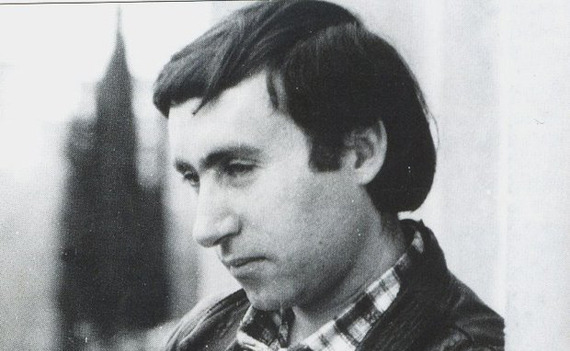
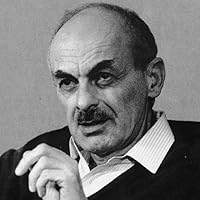
Bulat Shalvovich Okudzhava (also transliterated as Boulat Okudjava, Bulat Okudjava, Boulat Okoudjava, or Okoudzhava; Russian: Була́т Ша́лвович Окуджа́ва, Georgian: ბულატ ოკუჯავა) (May 9, 1924 – June 12, 1997) was a Soviet poet, writer, musician, novelist,singer-songwriter. He was one of the founders of the Russian genre called "author's song" (авторская песня, avtorskaya pesnya). He was of Georgian-Armenian origin, born in Moscow and died in Paris. He was the author of about 200 songs, set to his own poetry. His songs are a mixture of Russian poetic and folksong traditions and the French chansonnier style represented by such contemporaries of Okudzhava as Georges Brassens. Though his songs were never overtly political (in contrast to those of some of his fellow "bards"), the freshness and independence of Okudzhava's artistic voice presented a subtle challenge to Soviet cultural authorities, who were thus hesitant for many years to give official sanction to Okudzhava as a singer-songwriter.
Feodor Abramov
Feodor Abramov
Author · 6 books

Fyodor Aleksandrovich Abramov (Russian: Фёдор Алекса́ндрович Абра́мов) (February 29, 1920 – May 14, 1983) was a Russian novelist and literary critic. His work focused on the difficult lives of the Russian peasant class. He was frequently reprimanded for deviations from Soviet policy on writing. Русский советский писатель, литературовед, публицист. Один из наиболее известных представителей так называемой «деревенской прозы», значительного направления советской литературы 1960—1980-х годов.

Vladimir K. Arsenyev
Author · 3 books

Vladimir Klavdiyevich Arsenyev (Russian: Влади́мир Кла́вдиевич Арсе́ньев) (10 September 1872 – 4 September 1930) was a Russian explorer of the Far East who recounted his travels in a series of books - "По Уссурийскому Краю" ("Along the Ussury land") (1921) and "Дерсу Узала" ("Dersu Uzala") (1923) - telling of his military journeys to the Ussuri basin with Dersu Uzala, a native hunter, from 1902 to 1907. He was the first to describe numerous species of Siberian flora and lifestyle of native ethnic people. http://en.wikipedia.org/wiki/Vladimir...

Yuri Kazakov
Yuri Kazakov
Author · 3 books

Yuri Pavlovich Kazakov was a Russian author of short stories. He started out as a jazz musician, but turned to publishing his stories in 1952. He attended the Maxim Gorky Literature Institute, graduating in 1958. Kazakov was born to a worker's family in Moscow and grew up in the old Arbat area, which has today been turned into a tourist attraction but in the mid-1900s was the focal point of Russian culture. He emerged as a writer only thanks to the short period in recent Russian history known as "the Thaw", but in the mid-1960s, this period gave way to stagnation in culture and public life. Kazakov produced some of his best stories in the 1970s, which dealt with the merging of two souls, the soul of the newborn and the soul of the poet at the end of his life. Kazakov died on November 29, 1982 and was buried in Vagankovo Cemetery in Moscow.

Goderdzi Chokheli
Goderdzi Chokheli
Author · 5 books

Goderdzi Chokheli (Georgian: გოდერძი ჩოხელი) (October 2, 1954 – November 16, 2007) was a Georgian novelist, scriptwriter, and film director. Born in the village Chokhi in then-Soviet Georgia, he graduated from Tbilisi State Theatre Institute in 1979, and debuted in cinema in 1978. Some of his most successful films are The Resurrection (1982), Human Sadness (1984), Easter Lamb (1988), The Children of Sin (1989), The Birds of Paradise (1997), The Gospel According to Luke (1998), and The Chained Knights (2000). He also authored several novellas and collections of stories such as Letter to Fir-trees, Twilight Gorge, People Melancholy, Wolf, Fish's Letters, Priest’s Sin, Keep me Motherland, Pursuer Fate, Going to Heaven, and The Life of the Grass. LITERARY PRIZES AND AWARDS - Grand Prize for the film “Easter”, International Short Film Festival Oberhausen, Germany, 1982 - “Silver Nymph” and prize of International Catholic Church for the film “Children of Sin”, Monte Carlo Film Festival, 1991 - Special Prize at Japan Film Festival (1991) - Prizes for the Best Script and Best Film Producing at Tbilisi “Gold Eagle” Festival, 1992 - Grand Prize at Anapa festival for the film “Turtle-Doves of Paradise”, 1997 - Prize for the best script at Anapa Festival for the film “Gospel According to Luke”, 1998

Vasily Belov
Vasily Belov
Author · 1 book
Vasily Ivanovich Belov (Russian: Васи́лий Ива́нович Бело́в; 23 October 1932 – 4 December 2012) was a Soviet Russian writer, poet and dramatist, who published more than sixty books which sold (as of 1998) seven million copies. A prominent member of the influential 1970s–1980s derevenschiki movement, Belov's best known novels include Business as Usual (Привычное дело, 1966), Eves (Кануны, 1972–1987), Everything's Ahead (Всё впереди, 1986) and The Year of a Major Breakdown (Год великого перелома, 1989–1994).
Nikolai Shundik
Nikolai Shundik
Author · 2 books

Николай Шундик Nikolai Eliseevich Shundik. Soviet writer, editor-in-chief of the Volga magazine, director of the Sovremennik publishing house. His first story "The Death of the Stone Devil" was published in 1949 in the "Smena" magazine. In 1952, after graduating from the Khabarovsk Pedagogical Institute, he remained to teach at one of the Khabarovsk schools. At the same time he released his first major work - the story "In the Far North", for which he received the first prize at the competition of the Ministry of Education of the RSFSR for the best children's book. A year later, Shundik published the novel The Swift Deer, which gained popularity among readers and was subsequently republished in 27 countries. The subject of the work is devoted to life in the Far North - the traditional life of reindeer herders and hunters and the formation of Soviet power in Chukotka. He graduated from the Higher Literary Courses in 1957 and settled in Ryazan, where he lived until 1965, heading the local organization of the Writers' Union. In 1959 he published the novel "A Spring at a Birch", written in Ryazan material. In the same period, a "Ryazan experiment" was taking place in the region to triple the production of livestock products, which turned out to be a gamble and ended with the deprivation of the title of Hero of Socialist Labor and suicide of the first secretary of the regional committee of the CPSU A. N. Larionov. Later, this dramatic story formed the basis of the novel In the land of the blue-eyed. In 1965 Shundik became the head of the Volga magazine in Saratov, becoming its first editor-in-chief. In 1976, after becoming the working secretary of the Writers' Union of Russia, he moved to Moscow. In 1979-1981 he headed the Sovremennik publishing house. In 1979, the novel "White Shaman" was published, in which the author again turned to the Chukchi theme and the period of the 1930s-40s. The book was a noticeable success with readers and was filmed in 1982 by director A.D. Nitochkin. In 1982 Nikolai Shundik published his fifth novel, The Ancient Sign. The last novel of the writer was the book A Candle in the Wind, published in 1994 in the Sever magazine.

Rezo Cheishvili
Rezo Cheishvili
Author · 2 books

Revaz (Rezo) Cheishvili [Georgian: რევაზ (რეზო) ჭეიშვილი] was a Georgian writer and scriptwriter. He was born and grew up in the city of Kutaisi, then Georgia's second intellectual centre. He moved to the capital in 1954 to continue his studies, and in 1958 he graduated from Tbilisi State University with a degree in Georgian language and literature. In the same year, his short stories were published for the first time, in the almanac "First Ray". Rezo Cheishvili worked from 1961 to 1992 at the "Georgian Film" studio as an editor, as a member of the Film Script Administrative Board, and as a member of the Creative Association and as one of its leaders. In conjunction with this, he edited various Georgian literary journals and newspapers. Additionally, he continued to publish short stories and novels, and to write film scripts. Rezo Cheishvili has been awarded Georgia's highest honour in the field of literature, the Rustaveli Award. He has also received the Georgian State Prize. In 1984, he received the USSR State Prize for the script for "The Blue Mountains". In 2012 he received Honorary award SABA for his contribution to the literature. He wrote the script of Eldar Shengelaia's famous Blue Mountains, or Unbelievable Story (1983, Kartuli Pilmi), an adaptation of his own story which was released domestically in 1985 and brought success to his author, who soon after became a laureate of the Rustaveli Award. He is also known for the scripts of Stepmother Samanishvili (Kartuli Pilmi, 1977) by Eldar Shengelaia and Kvarkvare (Kartuli Pilmi, 1978) by Devi Abashidze. Rezo Cheishvili was elected Secretary of the Georgian Writers’ Union in 1992. From 1992 to 1995 he was an elected MP in the third Parliament of Georgia. From 2000, he served as Chairman of the Literature Foundation of Georgian Writers. Аcclaimed Georgian writer and screenwriter Revaz (Rezo) Cheishvili passed away on September 11, 2015 in Kutaisi af age of 82 and buried at the Mtsvanekvavila Pantheon.

Evgeny Nosov
Evgeny Nosov
Author · 1 book
Yevgeny Ivanovich Nosov was a Soviet Russian writer, part of the village prose movement, who since 1958 contributed regularly to Nash Sovremennik and Novy Mir magazines. Nosov, who fought in World War II and was severely injured in February 1945, received two Orders of Lenin and the Hero of the Socialist Labour title.
Anatoli Kim
Anatoli Kim
Author · 1 book

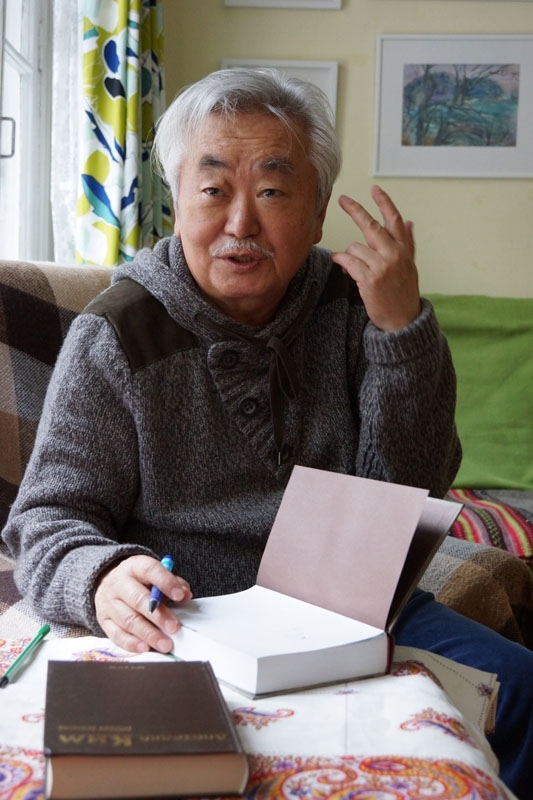
aka Анатолий Ким Anatoli Andreyevich Kim (Russian: Анато́лий Андре́евич Ким; born 15 June 1939) is a Russian-language writer. Kim's father was a Soviet Korean, the son of a man who immigrated to the Russian Far East in 1908; his mother was of Russian ethnicity. He claims to be a descendant of 15th-century Korean author Kim Si-seup. He was born in Sergievka, Tulkibas District, Chimkent Oblast, Kazakh Soviet Socialist Republic (today South Kazakhstan Province, Kazakhstan) and spent his early years there. In 1948, his family moved to the Russian Far East and Sakhalin, where he lived until 1957 before entering an art school in Moscow.

Oleg Kuvaev
Oleg Kuvaev
Author · 2 books

See Олег Куваев Oleg Mikhailovich Kuvaev ( August 12, 1934 - April 8, 1975 ) - Russian Soviet writer, geologist, geophysicist . Member of the Writers' Union of the USSR . Author of the novel " Territory ". He spent his childhood and adolescence in the Svechinsky district of the Kirov region, graduated from school in Kotelnich. In the summer of 1952, Kuvaev entered the Geophysical Faculty of the Sergo Ordzhonikidze MGRI, from which he graduated in 1958 . During the years of study at the institute, he visited the expeditions to the Tien Shan, in Kyrgyzstan, in the upper reaches of the Amur . In 1956, during an expedition to the Tien Shan, the first story "For ibex" was written, published in the magazine "Hunting and hunting economy". In 1957, being a graduate student, Kuvaev came to Chukotka, the expedition worked in the areas of Provideniya Bay, Transfiguration Bay, Cross Bay.

Semyon Kurilov
Semyon Kurilov
Author · 1 book

Semyon Nikolaevich Kurilov (Russian: Семён Николаевич Курилов) was a Yukagir writer. Born into a family of reindeer herders. He graduated from the 7th grade of high school. He worked on a collective farm, a village council and in cultural and educational institutions of the ulus. In addition to his native Yukaghir, he spoke Russian, Yakut, Even and Chukchi. Published since 1961. His first story "See you in the tundra" was published in the collection "From Moscow to the taiga, one nomad" (Publishing house "Young Guard"). In 1969 his main novel "Hanido and Khalerha" was published by the publishing house "Soviet Russia". This is a large, highly artistic work about the life, way of life and customs of the northern peoples.

Nodar Dumbadze
Nodar Dumbadze
Author · 22 books

Nodar Dumbadze (July 14, 1928 – September 4, 1984) was a Georgian writer and one of the most popular authors in the late 20th-century Georgia. Born in Tbilisi, he graduated from the Faculty of Law at Tbilisi State University in 1950. The same year, his first poems and humorous stories appeared in the Georgian press. He edited the satirical magazine Niangi from 1967 until 1972 when he became a secretary of the Union of Georgian Writers and a member of the presidium of the Union of Soviet Writers in 1972. Most of his fame came through his novels Me, Grandma, Iliko and Ilarioni (1960), I Can See the Sun (1962), A Sunny Night (1967), Don’t Be Afraid, Mother! (1971), The White Banners (1973), and The Law of Eternity (1978). His works are remarkable for simplicity and lyricism of the prose, humor, and melancholy coupled with optimism. He was awarded the Shota Rustaveli State Prize in 1975 and the Lenin Prize in 1980. Most of his major works have been dramatized and/or filmed. He died in Tbilisi and was buried there, at the Children’s Town "Mziuri" founded by him.

Robert Stilmark
Robert Stilmark
Author · 2 books
Роберт Александрович Штильмарк (3 апреля, 1909, Москва — 30 сентября, 1985) — советский писатель, журналист.
548 Market St PMB 65688, San Francisco California 94104-5401 USA
© 2026 Paratext Inc. All rights reserved
Stories. Essays. Legends by Raduga publishers Moscow