Margins




548 Market St PMB 65688, San Francisco California 94104-5401 USA
© 2026 Paratext Inc. All rights reserved
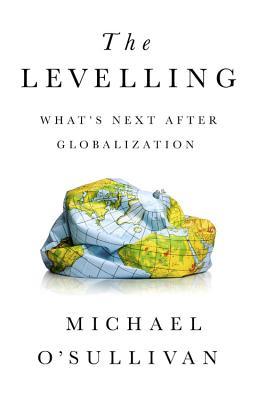
A brilliant analysis of the transition in world economics, finance, and power as the era of globalization ends and gives way to new power centers and institutions. The world is at a turning point similar to the fall of communism. Then, many focused on the collapse itself, and failed to see that a bigger trend, globalization, was about to take hold. The benefits of globalization—through the freer flow of money, people, ideas, and trade—have been many. But rather than a world that is flat, what has emerged is one of jagged peaks and rough, deep valleys characterized by wealth inequality, indebtedness, political recession, and imbalances across the world's economies. These peaks and valleys are undergoing what Michael O'Sullivan calls "the levelling"—a major transition in world economics, finance, and power. What's next is a levelling-out of wealth between poor and rich countries, of power between nations and regions, of political accountability from elites to the people, and of institutional power away from central banks and defunct twentieth-century institutions such as the WTO and the IMF. O'Sullivan then moves to ways we can develop new, pragmatic solutions to such critical problems as political discontent, stunted economic growth, the productive functioning of finance, and political-economic structures that serve broader needs. The Levelling comes at a crucial time in the rise and fall of nations. It has special importance for the US as its place in the world undergoes radical change—the ebbing of influence, profound questions over its economic model, societal decay, and the turmoil of public life.