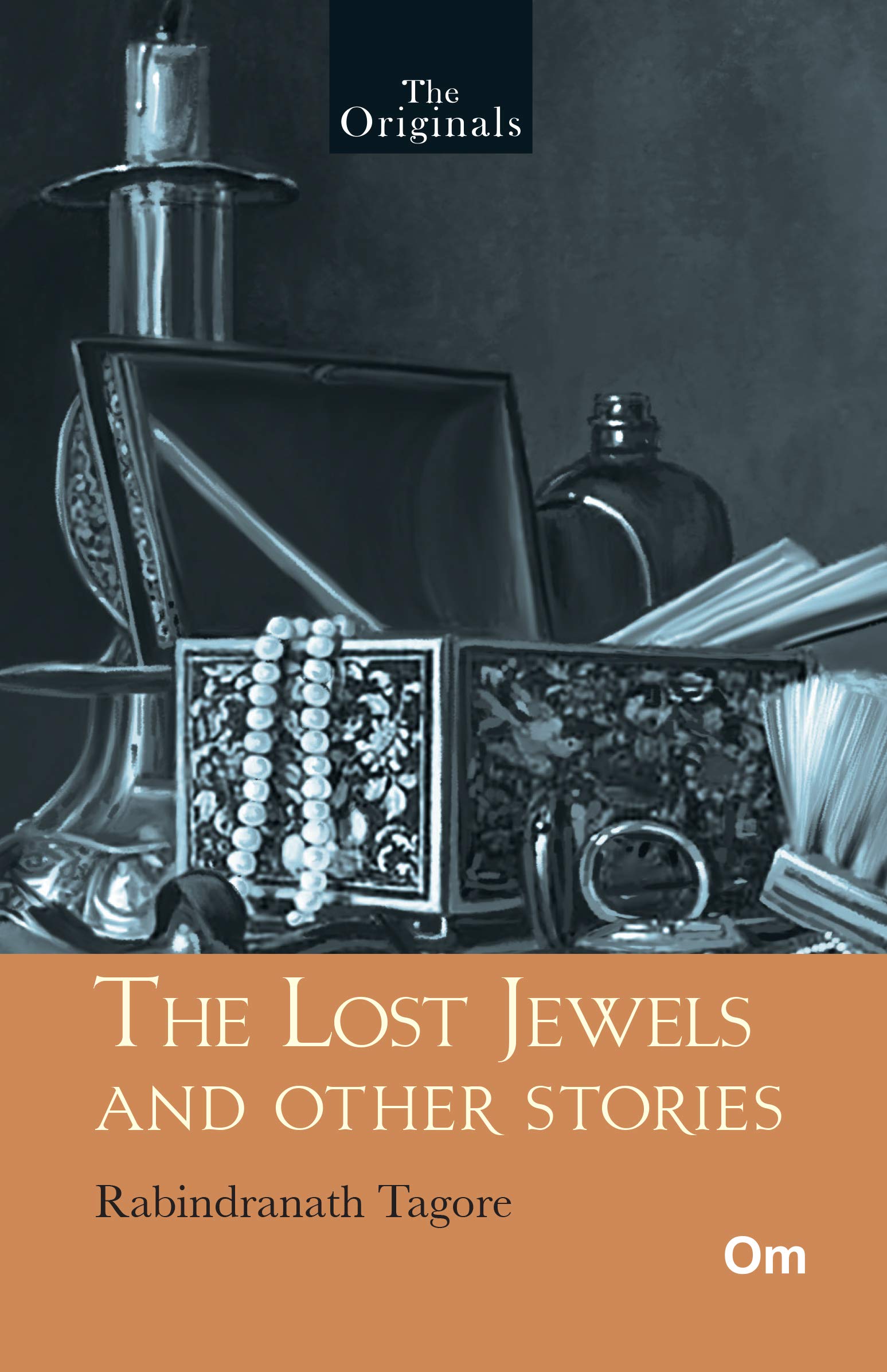
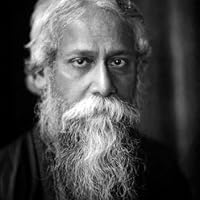
Nobel Laureate Rabindranath Tagore (1861–1941)was a prolific writer during the colonial period and isacclaimed for his lyricism, colloquialism and naturalism.His stories explored socio-political hypocrisies, ethnicalprejudices, class-based discrimination, stereotypicalcharacters in a domestic set-up, and more in a largelyconventional society. Through his work, he resisted therigid linguistic moulds and modernised Bengali art.Be it the yearning to belong in ‘Kabuliwala,’ thesupernatural mystery in ‘The Living and the Dead,’ theways in which class affects humanity in ‘The Postmaster’or the impact of materialism in ‘The Lost Jewels’— Tagore’s stories reflect a kaleidoscope of humanemotions, firmly etched on a sensitive landscape.Withstanding societal evolution, his stories createda profound association between his characters andthe readers.While almost eighty years have passed since his lastcontribution to literature, few names manage to evokeemotions as acute as Tagore’s. The Lost Jewels and OtherStories is a celebration of one of India’s greatest writers,with some of his most emblematic stories, in hisinimitable style, language and humour including ‘TheHome-Coming,’ ‘The Skeleton,’ ‘Giribala,’ and ‘TheRiver Stairs.’