Margins




548 Market St PMB 65688, San Francisco California 94104-5401 USA
© 2026 Paratext Inc. All rights reserved
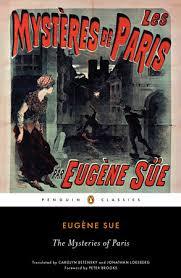
The first new translation in over a century of the brilliant epic novel that inspired Les Miserables. From July 1842 through October 1843, Parisians rushed to the newspaper each week for the latest instalment of Eugene Sue's The Mysteries of Paris, one of France's first serial novels. The suspenseful story of Rodolphe, a magnetic hero of noble heart and shadowy origins, played out over ninety issues, garnering wild popularity and leading many to call it the most widely read novel of the 19th century. Sue's novel created the city mystery genre and inspired a raft of successors, including Les Miserables and The Count of Monte Cristo. Sensational, steamy, tightly-plotted, pulpy, proto-socialist, heartbreaking, and riveting, The Mysteries of Paris is doubtless one of the most entertaining and influential works to emerge from the 19th century.