Margins




548 Market St PMB 65688, San Francisco California 94104-5401 USA
© 2026 Paratext Inc. All rights reserved
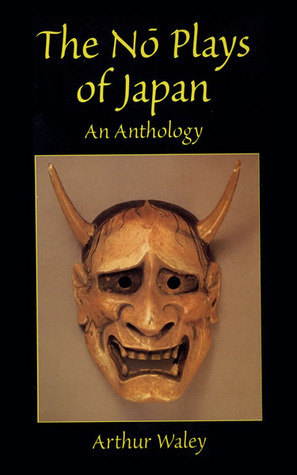
Part prose, part verse, the visually stunning No plays of Japan deal with such subjects as insanity, obsession and historical characters, and frequently have as their focal points demons, gods, and beautiful women. Among the 19 works and 15 summaries included here are Ukai (The Cormorant-Fisher), Hatsuyuki (Early Snow), as well as a farcical interlude, or kyogen, titled The Bird-Catcher in Hell. A unique introduction for Western theater-goers to classic Japanese drama. Plays included: Atsumori by Seami Motokiyo (1363-1444) Ikuya by Zembō Motoyasu (1453-1532) Tsunemasa by Seami Kumasaka by Zenchiku Ujinobu (1414-1499?) Eboshi-Ori by Miyamasu (sixteenth century?) Benkei on the Bridge (Hashi-Benki) by Hiyoshi Sa-ami Yasukio (Date unknown, probably first half of the fifteenth century) Kagekiyo by Seami Hachi no Ki by Seami Sotoba Komachi by Kwanami Kiyotsuga (1333-1384) Ukai (The Cormorant-Fisher) by Enami no Sayemon (c. 1400) Aya no Tsuzumi (The Damask Drum) attributed to Seami, but perhaps earlier Aoi no Uye (Princess Hollyhock) revised by Zenchiku Ujinobu (1414-1499?) Kantan (unknown, before 1600) The Hōka Priests (Hōkazō) by Zenchiku Ujinobu (1414-1499) [no ? this time] Hagoromo by Seami Tanikō (The Valley-Hurling) Part I by Zenchiku Ikeniye (The Pool Sacrifice) Part I by Seami Hatsuyuki (Early Snow) by Kopara Zembō Motoyasu (1453-1532) Haku Rakuten by Seami