Authors
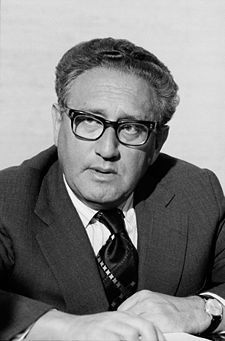
Henry Alfred Kissinger (born Heinz Alfred Kissinger) is a German-born American bureaucrat, diplomat, and 1973 Nobel Peace Prize laureate. He served as National Security Advisor and later concurrently as Secretary of State in the Richard Nixon administration. Kissinger emerged unscathed from the Watergate scandal, and maintained his powerful position when Gerald Ford became President. A proponent of Realpolitik, Kissinger played a dominant role in United States foreign policy between 1969 and 1977. During this period, he pioneered the policy of détente. During his time in the Nixon and Ford administrations he cut a flamboyant figure, appearing at social occasions with many celebrities. His foreign policy record made him a nemesis to the anti-war left and the anti-communist right alike.
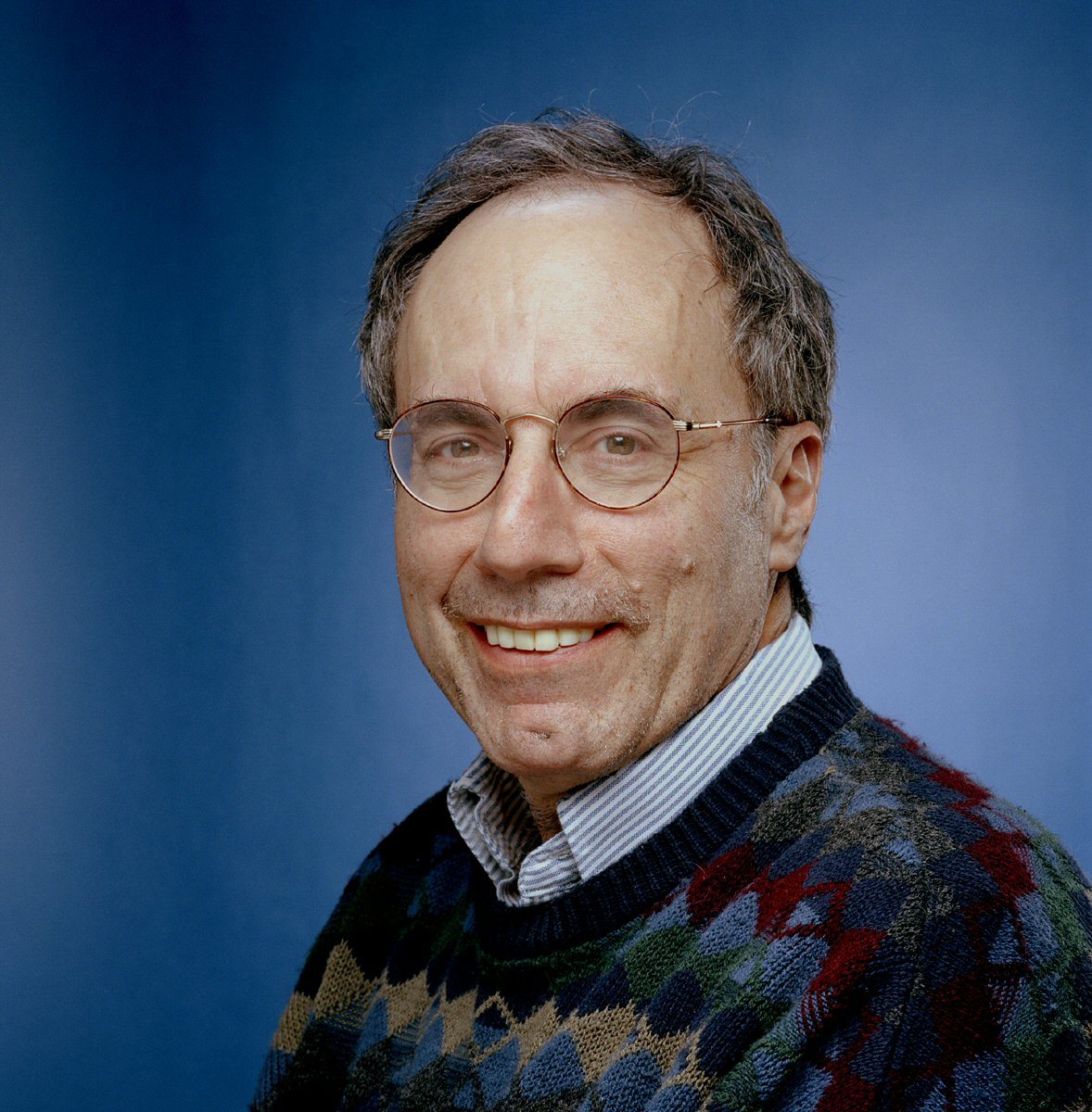
John B. Judis is an American journalist. Born in Chicago he attended Amherst College and received B.A. and M.A. degrees in Philosophy from the University of California at Berkeley. He is a senior editor at The New Republic and a contributing editor to The American Prospect. A founding editor of Socialist Revolution (now Socialist Review) in 1969 and of the East Bay Voice in the 1970s, Judis started reporting from Washington in 1982, when he became a founding editor and Washington correspondent for In These Times, a democratic-socialist weekly magazine. He has also written for GQ, Foreign Affairs, Mother Jones, The New York Times Magazine, and The Washington Post. In 2002, he published a book (co-written with political scientist Ruy Teixeira) arguing that Democrats would retake control of American politics, thanks in part to growing support from minorities and well-educated professionals. The title, The Emerging Democratic Majority, was a deliberate echo of Kevin Phillips' 1969 classic, The Emerging Republican Majority. The book was named one of the year's best by The Economist magazine.