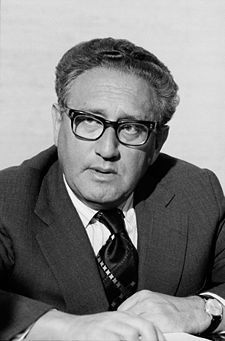
Henry Alfred Kissinger (born Heinz Alfred Kissinger) is a German-born American bureaucrat, diplomat, and 1973 Nobel Peace Prize laureate. He served as National Security Advisor and later concurrently as Secretary of State in the Richard Nixon administration. Kissinger emerged unscathed from the Watergate scandal, and maintained his powerful position when Gerald Ford became President. A proponent of Realpolitik, Kissinger played a dominant role in United States foreign policy between 1969 and 1977. During this period, he pioneered the policy of détente. During his time in the Nixon and Ford administrations he cut a flamboyant figure, appearing at social occasions with many celebrities. His foreign policy record made him a nemesis to the anti-war left and the anti-communist right alike.
Series
Books
American Foreign Policy
Three Essays
1949
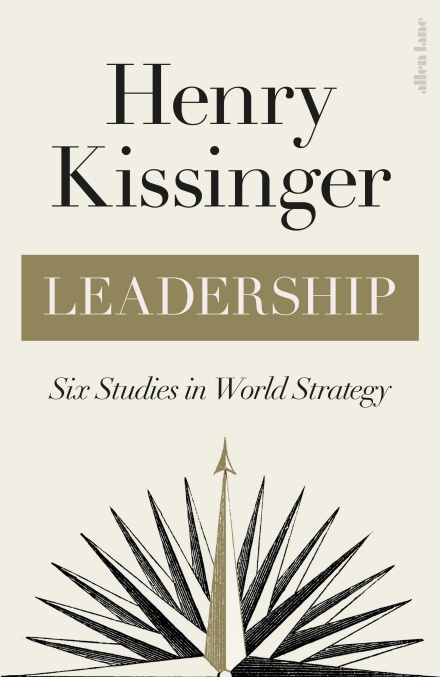
Leadership
Six Studies in World Strategy
2022
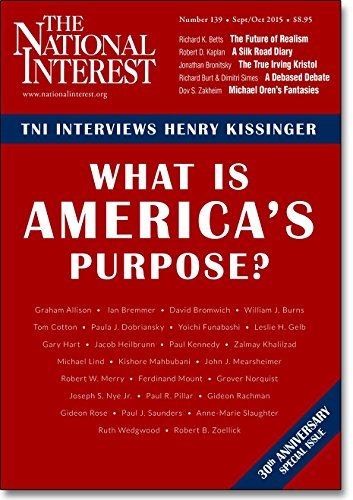
The National Interest
2015
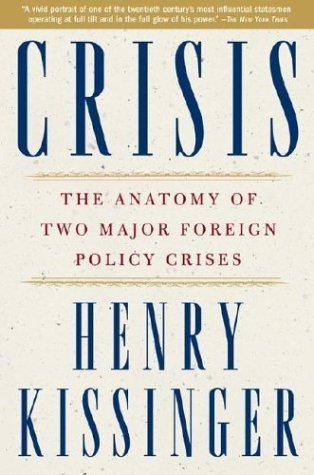
Crisis
The Anatomy of Two Major Foreign Policy Crises
2003

The White House Years
1979
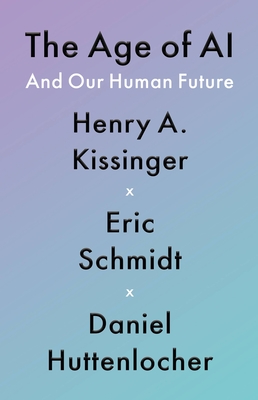
The Age of AI and Our Human Future
2021
Genesis
Artificial Intelligence, Hope, and the Human Spirit
2024
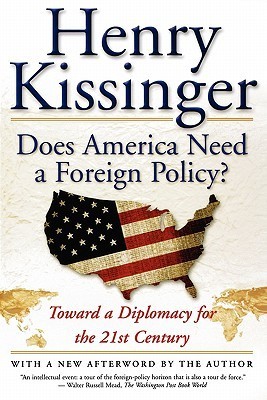
Does America Need a Foreign Policy?
Toward a Diplomacy for the 21st Century
2001

Diplomacy
1994
The Meaning of History
Reflections on Spengler, Toynbee, and Kant
2023
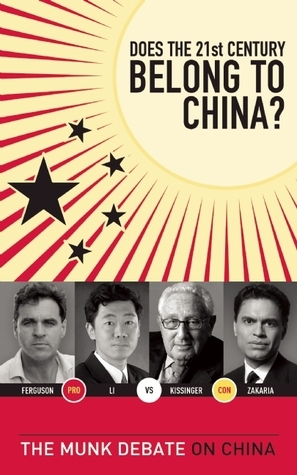
Does the 21st Century Belong to China?
The Munk Debate on China
2011
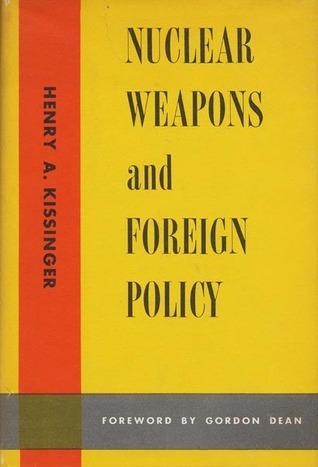
Nuclear Weapons And Foreign Policy
1957
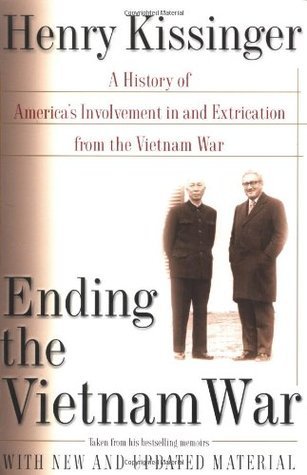
Ending the Vietnam War
A History of America's Involvement in and Extrication from the Vietnam War
2003
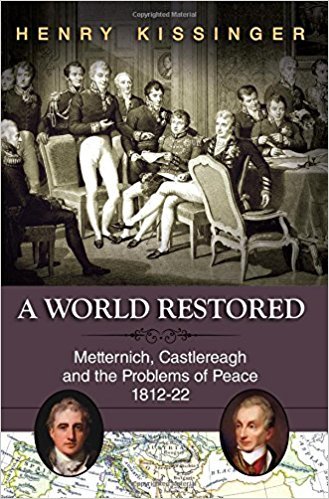
A World Restored
Metternich, Castlereagh and the Problems of Peace, 1812-1822
1957
The necessity for choice;
Prospects of American foreign policy
1984

On China
2011

World Order
2014