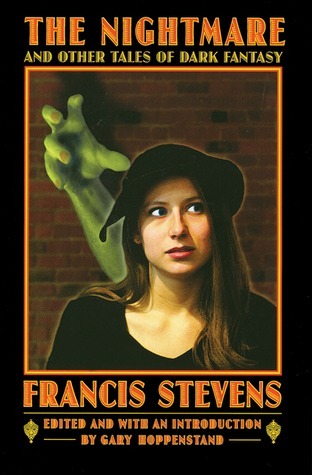



Slithering from these pages are never-before-collected tales of suspense and wonder by the woman who invented modern-day dark A man goes quietly to bed aboard the doomed Lusitania and awakens on a magical South Pacific Island just as the passenger liner is torpedoed. In a future where women rule the world, a sentient island becomes murderously jealous of a shipwrecked couple. Dire consequences await a human swept into the dark, magical world of elves. A deadly labyrinth coils around the dark heart of a picturesque landscape garden. Within an Egyptian sarcophagus lies the horrifying price of infidelity. Swirling unseen around us are loathsome creatures giving form to our basest desires and fears. A beautiful, veiled medium may hold the key to preventing unspeakable evil from slipping through the borderlands between life and death. On a lost island a woman pipe player and her monstrous dancing partner bring death and terror to five adventurers. The stories in this collection have played an integral role in the development of modern dark fantasy, greatly influencing such writers as H. P. Lovecraft and A. Merritt.
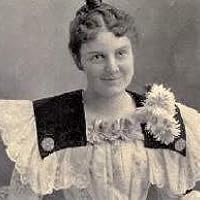
Author

Gertrude Barrows Bennett (1883–1948) was the first major female writer of fantasy and science fiction in the United States, publishing her stories under the pseudonym Francis Stevens. Bennett wrote a number of highly acclaimed fantasies between 1917 and 1923 and has been called "the woman who invented dark fantasy." Among her most famous books are Claimed (which H. P. Lovecraft called "One of the strangest and most compelling science fantasy novels you will ever read")[4] and the lost world novel The Citadel of Fear. Bennett also wrote an early dystopian novel, The Heads of Cerberus (1919). Gertrude Mabel Barrows was born in Minneapolis in 1883. She completed school through the eighth grade, then attended night school in hopes of becoming an illustrator (a goal she never achieved). Instead, she began working as a stenographer, a job she held on and off for the rest of her life. In 1909 Barrows married Stewart Bennett, a British journalist and explorer, and moved to Philadelphia. A year later her husband died while on an expedition. With a new-born daughter to raise, Bennett continued working as a stenographer. When her father died toward the end of World War I, Bennett assumed care for her invalid mother. During this time period Bennett began to write a number of short stories and novels, only stopping when her mother died in 1920. In the mid 1920s, she moved to California. Because Bennett was estranged from her daughter, for a number of years researchers believed Bennett died in 1939 (the date of her final letter to her daughter). However, new research, including her death certificate, shows that she died in 1948.