Margins
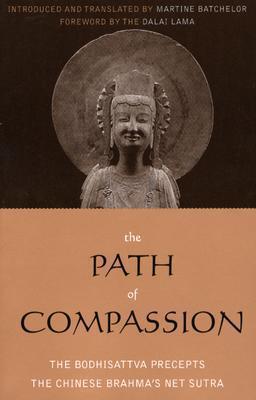
The Path of Compassion book cover
The Path of Compassion
The Bodhisattva Precepts
1998
First Published
4.25
Average Rating
128
Number of Pages
This new and moving translation of the Brahma's Net Sutra also includes translations of ancillary materials not previously available. Translated and introduced by the well-known teacher and author Martine Batchelor, this should become a classic for all those who aspire to the compassion of the Buddha. "The Buddha gave clear instructions about how a boddhisattva should preserve and nurture the altruistic aspiration to enlightenment that are contained in the scriptures of the various Mahayana traditions. The Boddhisattva Precepts found in the Brahma's Net Sutra of the Chinese and Korean traditions have laid the foundation of an ethical way of life and the essential ground to a life of compassion for many Buddhists in East Asia since ancient times. We live in an era in which I believe it is extremely important to foster harmony and respect among all religious traditions. Therefore, I believe it is significant that such a seminal text be made more widely in an English translation and I congratulate the translator, the International Sacred Literature Trust and AltaMira Press for making this book, The Path of Compassion, available. Readers, whether or not they are Buddhist, will find that these precepts encourage us, in a very practical way, to protect life in all its forms and work towards a more peaceful and understanding world; goals that we all can admire." —from the foreword by H. H. The Dalai Lama
Avg Rating
4.25
Number of Ratings
4
5 STARS
50%
4 STARS
25%
3 STARS
25%
2 STARS
0%
1 STARS
0%
goodreads

Author

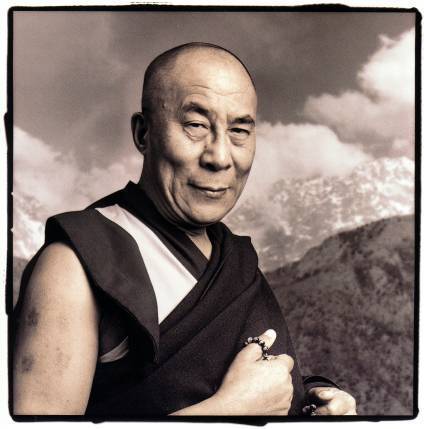
Dalai Lama
Dalai Lama
Author · 170 books

Jetsun Jamphel Ngawang Lobsang Yeshe Tenzin Gyatso (born Lhamo Döndrub), the 14th Dalai Lama, is a practicing member of the Gelug School of Tibetan Buddhism and is influential as a Nobel Peace Prize laureate, the world's most famous Buddhist monk, and the leader of the exiled Tibetan government in India. Tenzin Gyatso was the fifth of sixteen children born to a farming family. He was proclaimed the tulku (an Enlightened lama who has consciously decided to take rebirth) of the 13th Dalai Lama at the age of two. On 17 November 1950, at the age of 15, he was enthroned as Tibet's ruler. Thus he became Tibet's most important political ruler just one month after the People's Republic of China's invasion of Tibet on 7 October 1950. In 1954, he went to Beijing to attempt peace talks with Mao Zedong and other leaders of the PRC. These talks ultimately failed. After a failed uprising and the collapse of the Tibetan resistance movement in 1959, the Dalai Lama left for India, where he was active in establishing the Central Tibetan Administration (the Tibetan Government in Exile) and in seeking to preserve Tibetan culture and education among the thousands of refugees who accompanied him. Tenzin Gyatso is a charismatic figure and noted public speaker. This Dalai Lama is the first to travel to the West. There, he has helped to spread Buddhism and to promote the concepts of universal responsibility, secular ethics, and religious harmony. He was awarded the Nobel Peace Prize in 1989, honorary Canadian citizenship in 2006, and the United States Congressional Gold Medal on 17 October 2007.


548 Market St PMB 65688, San Francisco California 94104-5401 USA
© 2026 Paratext Inc. All rights reserved