Margins




548 Market St PMB 65688, San Francisco California 94104-5401 USA
© 2026 Paratext Inc. All rights reserved
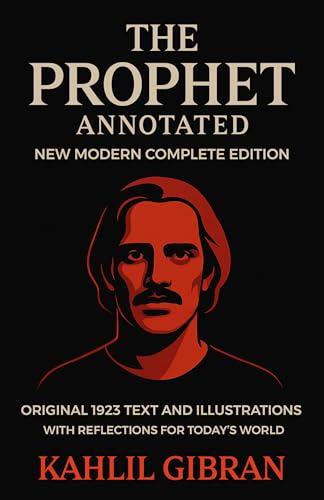
A timeless classic reborn for the modern soul.For the first time, the full and authentic text of “The Prophet” by Kahlil Gibran is paired with original contemporary reflections, written for those seeking light, meaning, and inner peace in today’s world. Published in 1923 and translated into over 100 languages, The Prophet has spoken to the hearts of millions. This edition brings together the lyrical and spiritual power of the original with a new meditative voice that walks beside each chapter—poetic, gentle, transformative. Not a rewrite. But a sacred between Gibran and today’s reader. Why read this edition – and what you will find 📖 28 complete chapters, untouched and pure, each addressing an essential aspect of love, sorrow, freedom, work, children, death. 🖼️ 12 original illustrations by Gibran, restored and placed among the chapters like visual portals into the divine. 🕊️ Modern spiritual reflections after each chapter, written in a poetic and introspective tone to resonate with seekers of truth. 🔔 A slow, sacred reading experience that invites silence, understanding, and deep transformation. 👉 Let the voice of the Prophet guide you. This book is a companion for contemplative souls, for those who cherish the beauty of words and the courage of truth. 🛒 Add it to your shelf. A book to live—not just to read.