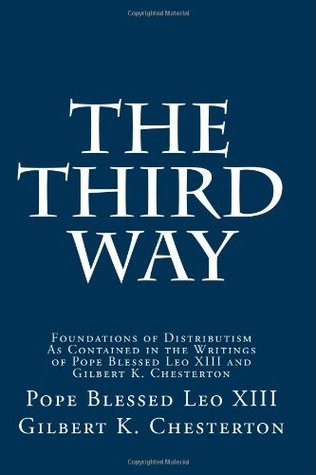
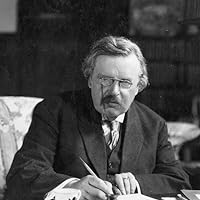
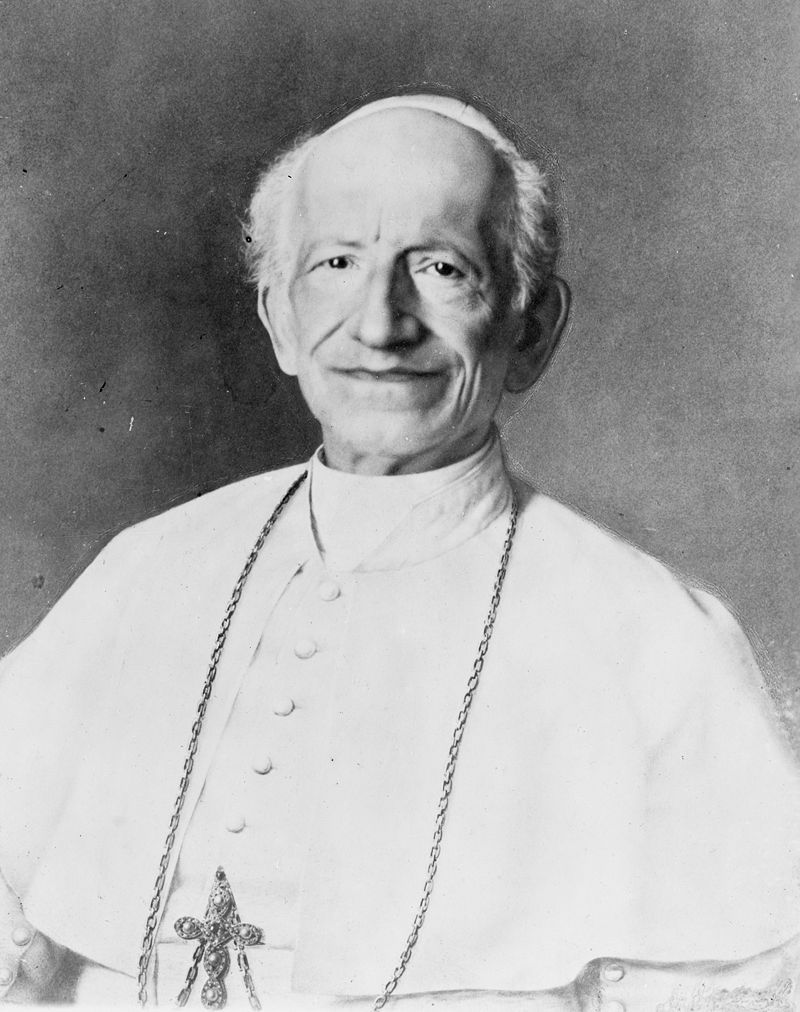
Distributism is an economic philosophy that developed in Europe in the late 19th and early 20th century, based upon the principles of Catholic social teaching, especially the teachings of Pope Blessed Leo XIII in his encyclical Rerum Novarum and Pope Pius XI in Quadragesimo Anno. According to distributists, property ownership is a fundamental right and the means of production should be spread as widely as possible among the general populace, rather than being centralized under the control of the state (state socialism) or by accomplished individuals (laissez-faire capitalism). Distributism therefore advocates a society marked by widespread property ownership and, according to co-operative economist Race Mathews, maintains that such a system is key to bringing about a just social order. Distributism has often been described in opposition to both socialism and capitalism, which distributists see as equally flawed and exploitive. Thomas Storck argues that "both socialism and capitalism are products of the European Enlightenment and are thus modernizing and anti-traditional forces. In contrast, distributism seeks to subordinate economic activity to human life as a whole, to our spiritual life, our intellectual life, our family life". Some have seen it more as an aspiration, which has been successfully realised in the short term by commitment to the principles of subsidiarity and solidarity (these being built into financially independent local cooperatives and small family businesses), though proponents also cite such periods as the Middle Ages as examples of the historical long-term viability of distributism. Particularly influential in the development of distributist theory were Catholic authors G. K. Chesterton and Hilaire Belloc, two of distributism's earliest and strongest proponents. This volume contains some of distributism's foundational writings from Pope Blessed Leo XIII and Gilbert K. Chesterton.