Margins




548 Market St PMB 65688, San Francisco California 94104-5401 USA
© 2026 Paratext Inc. All rights reserved
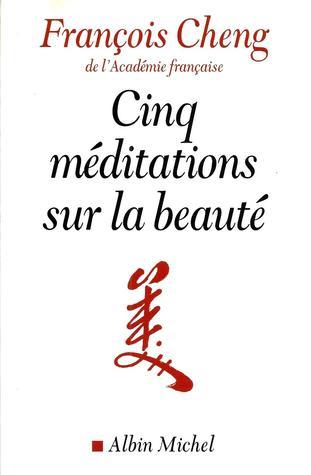
Five meditations on the role of beauty in human life and its direct connection with the sacred • Looks at how beauty has the power to elevate and counterbalance the negative side of the reality facing us • Presents the role of beauty in transforming individuals and transforming the world from a Taoist perspective In a time of mindless violence and widespread ecological and natural catastrophes, François Cheng asks if talking about beauty may not seem incongruous even scandalous. Yet this is actually the most appropriate time to revisit a subject that was a philosophical mainstay for millennia. The power of beauty to elevate and transcend counterbalances the negative side of the reality facing us. As John Keats noted in “Ode on a Grecian Urn,” beauty is inseparable from truth: “Beauty is truth, truth beauty,—that is all Ye know on earth, and all ye need to know.” The ultimate human reality pivots on these two extremes of the living universe—beauty and evil. Cheng begins his teachings with the intrinsic sense of beauty revealed by the landscape, symbolized by the staggeringly beautiful Lu Mountain of his native province in China. His five meditations carry the reader from the understanding of beauty being in the mind of the beholder to its intimate relationship with the sacred, both from a Western and Taoist perspective. He shows that the most telling indication of the importance of beauty in human life and for individual spiritual realization can be grasped by simply imagining a world without it.