Margins




548 Market St PMB 65688, San Francisco California 94104-5401 USA
© 2026 Paratext Inc. All rights reserved
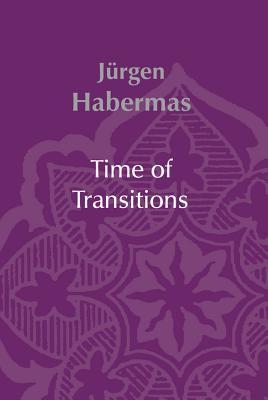
We live in a time of turbulent change when many of the frameworks that have characterized our societies over the last few centuries – such as the international order of sovereign nation-states – are being called into question. In this new volume of essays and interviews, Habermas focuses his attention on these processes of change and provides some of the resources needed to understand them. What kind of international order should we seek to create in our contemporary global age? How should we understand the political project of Europe and how can the democratic deficit of the EU be overcome? How should we understand the relation between democracy as popular sovereignty, which has become the defining principle of political legitimacy in the modern world, and the idea of basic human rights embodied in the rule of law? Habermas brings his formidable powers of analysis and his distinctive theoretical perspective to bear on these and other key questions of the modern age. His analysis is shaped throughout by his commitment to informed public debate and his powerful advocacy of a postnational renewal of the project of constitutional democracy. Time of Transitions will be essential reading for all students and scholars of sociology and politics, and it will be of interest to anyone concerned with the key social and political questions of our time.