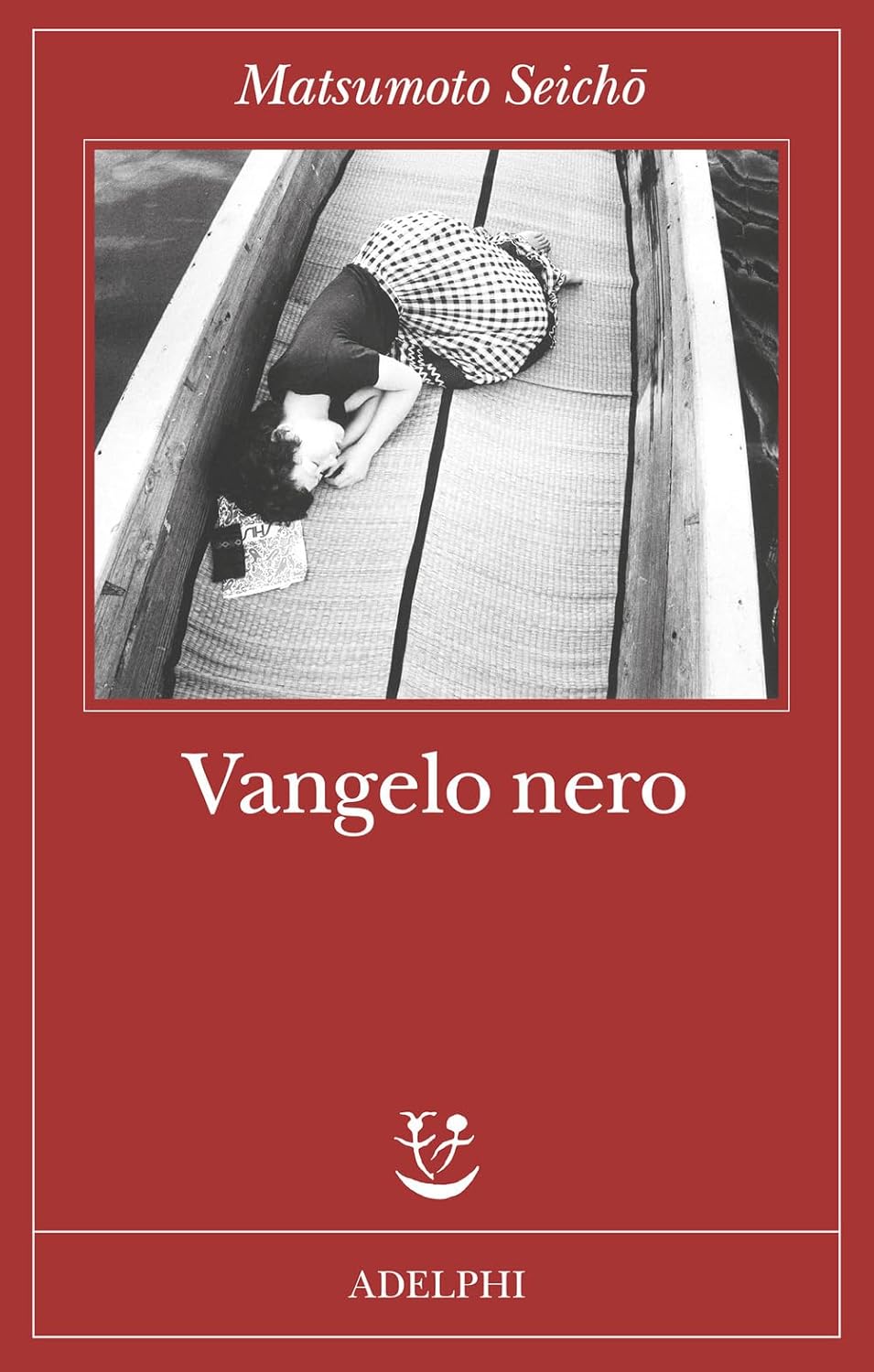



Musashino, 1959. A young Japanese flight attendant is found strangled on the icy banks of the river. The police suspect foul play – but the deeper they dig, the more they collide with a wall of silence. At the centre of it all stands a foreign priest and the Guglielmo Church, a charitable Christian mission. The dead woman’s connection to the church is undeniable. But what begins as a routine investigation quickly turns into something far more treacherous, entangling together narcotics, post-war relief schemes and the delicate web of international diplomacy. As the story moves from back alleys to diplomatic sanctuaries, following the twists and turns of Detective Fujisawa's investigation, Seicho Matsumoto masterfully constructs a slow-burning procedural where truth is clear but justice is not permitted.
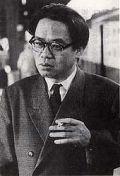
Author

Seicho Matsumoto (松本清張, Matsumoto Seichō), December 21, 1909 – August 4, 1992) was a Japanese writer. Matsumoto's works created a new tradition of Japanese crime fiction. Dispensing with formulaic plot devices such as puzzles, Matsumoto incorporated elements of human psychology and ordinary life into his crime fiction. In particular, his works often reflect a wider social context and postwar nihilism that expanded the scope and further darkened the atmosphere of the genre. His exposé of corruption among police officials as well as criminals was a new addition to the field. The subject of investigation was not just the crime but also the society in which the crime was committed. The self-educated Matsumoto did not see his first book in print until he was in his forties. He was a prolific author, he wrote until his death in 1992, producing in four decades more than 450 works. Matsumoto's mystery and detective fiction solidified his reputation as a writer at home and abroad. He wrote historical novels and nonfiction in addition to mystery/detective fiction. He was awarded the Akutagawa Prize in 1952 and the Kikuchi Kan Prize in 1970, as well as the Mystery Writers of Japan Award in 1957. He chaired the president of Mystery Writers of Japan from 1963 to 1971. Credited with popularizing the genre among readers in his country, Matsumoto became his nation's best-selling and highest earning author in the 1960s. His most acclaimed detective novels, including Ten to sen (1958; Points and Lines, 1970); Suna no utsuwa (1961; Inspector Imanishi Investigates, 1989) and Kiri no hata (1961; Pro Bono, 2012), have been translated into a number of languages, including English. He collaborated with film director Yoshitarō Nomura on adaptations of eight of his novels to film, including Castle of Sand.