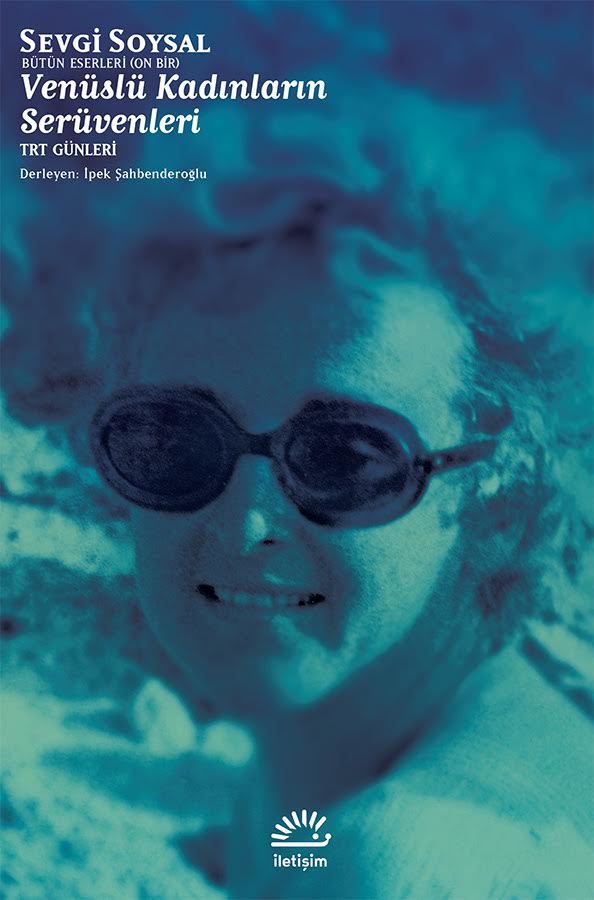



Venüslü Kadınların Serüvenleri Sevgi Soysal’ın TRT’de çalıştığı dönemde yazdığı oyun, makale ve yazılarını bir araya getiriyor. 1965 ila 1971 yılları arasını kapsayan bu dönem, aynı zamanda Soysal’ın 12 Mart’ı izleyen yıllarda yazarlık çizgisini belirleyecek olan siyasi ve feminist hattın da filizlendiği bir süreç. Yazar farklı edebi türlerde kaleme aldığı metinlerinde kadınlık meselesi, geleneklerin toplum üzerindeki baskısı gibi temaları işlerken, dudağının kenarına yerleştirdiği gülümsemeyle okurlarını itiraz etmeye, harekete geçmeye, yenilenmeye davet ediyor. Bir kez daha Sevgi Soysal metinlerinin zamanı aşarak bugüne seslendiğine şahit oluyoruz. Genç yaşından itibaren Ankara’nın 1960’lardaki canlı edebiyat dünyasının içinde çevirileri ve öyküleriyle yer alan Sevgi Soysal, ilk kitabı Tutkulu Perçem’i 1962 yılında yayımladı. 12 Mart’ın ardından uzaklaştırılmasına değin TRT Ankara Radyosu’nda program uzmanı olarak çalıştı. Radyo için yazdığı öyküleri kitaplaştırdığı Tante Rosa (1968) farklı üslubuyla edebiyat çevrelerini şaşırttı. Çocukluktan itibaren biçimlenen yönleriyle kadın-erkek ilişkilerini işlediği ilk romanı Yürümek’le (1970) TRT Sanat Ödülleri Yarışması Başarı Ödülü’nü kazandı. 1973’te yayımlanan Yenişehir’de Bir Öğle Vakti, 12 Mart ile bastırılmaya çalışılan gençlik hareketi ile Ankara’nın gündelik yaşamını devrilen bir kavağın etrafında kesiştirmesiyle büyük ilgi gördü ve 1974 yılı Orhan Kemal Roman Armağanı’nı kazandı. Adana’da sürgünde bulunan bir kadının gözünden 12 Mart’ı eleştirdiği romanı Şafak, 1975’te yayımlandı. Önce Politika gazetesinde tefrika olarak yayımlanan cezaevi anıları, Yıldırım Bölge Kadınlar Koğuşu adıyla kitaplaştırıldı (1976). 1968 ile 1976 yılları arasında yazdığı öykülerini Barış Adlı Çocuk (1976) kitabında bir araya getirdi. Bu kitaptaki “Bir Ağaç Gibi” adlı öyküsüne de yansıttığı hastalığı nedeniyle, son romanı Hoş Geldin Ölüm’ü tamamlayamadan, 22 Kasım 1976’da öldü. Politika, Yeni Ortam ve Yenigün gazetelerinde yazdığı yazılar, Bakmak (1977) ve Türkiye’nin Kalbi, Kabul Günleri (2014) adlı kitaplarda toplandı. Londra’dayken BBC Türkçe Servisi için yazdığı Radyo Sohbetleri yıllar sonra kitaplaştırıldı (2005).
Author

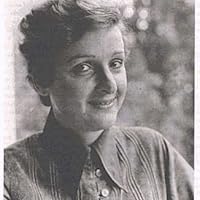
Sevgi Soysal was born in Istanbul in 1936. She grew up in Ankara with her father, an architect-bureaucrat originally from Salonica, and her German mother. She studied archaeology in Ankara, continuing her education in that field as well as theater at Göttingen University. Soysal’s first volume of short stories, Tutkulu Perçem (Passionate Bangs), was published in 1962, the same year that Soysal began working for the Turkish national television and radio (TRT). She went on to write Tante Rosa, a novel of interconnected stories based upon the life and personality of her aunt, Rosel. Her novel addressing male-female relationships and the issue of marriage, Yürümek (Walking), was banned upon charges of obscenity. In 1974 Soysal won the prestigious Orhan Kemal Award for Best Novel for Yenişehir’de Bir Öğle Vakti (Noontime in Yenişehir), which she had written while in prison. Her novel Şafak (Dawn), in which she criticized the coup of 12 March by way of the story of a woman exiled in Adana, was published in 1975. Her memoirs of prison life, originally published in the newspaper Politika, were published in a single volume as Yıldırım Bölge Kadınlar Koğuşu (Yıldırım Area Women’s Ward) in 1976. In another book of short stories, Barış Adlı Çocuk (A Child Named Peace), Soysal describes with great literary aplomb the social and political changes during that time, often based upon keen observations of her personal experiences. Soysal was diagnosed with cancer, which resulted in her death on 22 November 1976. She left behind an incomplete novel, Hoşgeldin Ölüm (Welcome, Death!). A masterful critic of social injustice, gender inequality, and militarism, Sevgi Soysal’s writings are essential to understanding Turkey since the 1960’s. The fact that Soysal’s complete works continue to attract a devoted readership is proof of the power of her writing, as well as her lasting influence upon both the Turkish public and the intelligentsia. Soysal’s early stories and essays are of an existentialist bent, as they emphasize the anxiety of the individual vis-à-vis society. In her later works, Soysal’s focus shifts to that of the relationship between the individual and society and to various social issues. Soysal stands out as an author who refused to meet the constricting social demands of her time, most especially those concerning gender. Soysal never flinched when it came to challenging the conformism that she observed in society, including that within the oppositional leftist movement, though she herself took a keen interest in contemporary leftist ideology. In her works, whether memoirs of prison life in Ankara, or the novel-in-stories, Tante Rosa, or any of her other works, Soysal addresses the loopholes, the hitches and glitches in the dominating system with sharp intelligence and scathing irony. Female protagonists who are not afraid to reckon with themselves, or to question their own actions and how those actions are dictated by society, always hold a prominent place in Soysal’s work. These are characters who do not hesitate to embark upon adventures, to live their lives rather than remaining pent up or static, even though they often know that their lust for life will inevitably lead them into certain pitfalls. Whether within the context of prison or the leftist movement, as a newspaper columnist or as a “housewife,” Sevgi Soysal never failed to criticize, with her ironic wit, both herself and the social pressures that constrict the individual, and to reveal the inner workings of daily oppression. Turkish journalist Yıldırım Türker says that for him, Sevgi Soysal is “a tulle of shrewd attitude, rebellious joy, and intelligence glistening with the sheen of compassion, through which I viewed the world in my early youth.”