


Margins
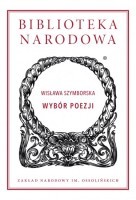
Wybór poezji book cover
Wybór poezji
2017
First Published
4.64
Average Rating
772
Number of Pages

Po dwudziestu latach od Nagrody Nobla popularność dzieła Wisławy Szymborskiej nie słabnie. Ta poezja powściągliwości uczuć, przewrotnego humoru, filozoficznej głębi oraz przenikliwego namysłu nad tym, kim jest człowiek, doczekała się tak wielu komentarzy naukowych i krytycznych, że wypełniłyby one dużą bibliotekę. Po wiersze Noblistki chętnie sięgają miłośnicy poezji, w szkolnej oraz uniwersyteckiej edukacji nie sposób pominąć nazwiska Szymborskiej, a jej wiersze inspirują muzyków, plastyków, filmowców. Kiedy zajrzymy do Internetu, to okaże się, iż lawinowo narasta czytanie i komentowanie utworów poetyckich Wisławy Szymborskiej. A jednak edycja najcelniejszych utworów poetki w Bibliotece Narodowej jest potrzebna. Objaśnienia wierszy uświadamiają, jak rozległa jest erudycja Szymborskiej – ukryta w pozornie prostych stwierdzeniach i potocznej rozmowie z czytelnikami. Zaś Wstęp staje się przewodnikiem po najważniejszych tematach, motywach i rozwiązaniach formalnych tej poezji. Nie mogło w nim także zabraknąć uwag o biografii poetki, zmiennych czasach historycznych oraz omówienia felietonów, limeryków i kolaży Szymborskiej. Wisława Szymborska nie należy do pisarzy, którzy eksponują zdarzenia z własnego życia i tworzą biograficzne legendy. To, co prywatne, staje się w tej poezji punktem wyjścia dla rozmyślań filozoficznych, a to, co jednostkowe – przekształca się w uniwersalne. Ze Wstępu Wojciecha Ligęzy Jedna z poezji najambitniejszych intelektualnie, jeden ze światów poetyckich o najciekawszym sposobie istnienia. Jerzy Kwiatkowski Wisława Szymborska (1923–2012) – poetka i felietonistka, jedna z najwybitniejszych pisarek polskich XX wieku. Laureatka Literackiej Nagrody Nobla w roku 1996. Debiutowała w 1952 roku utrzymanym w konwencji socrealistycznej tomem wierszy Dlatego żyjemy, w roku 2012 ukazał się jej ostatni zbiór poetycki, zatytułowany Wystarczy. Komplet felietonów poetki, pisanych w latach 1967–2002, ukazał się w tomie Wszystkie lektury nadobowiązkowe (2005). Twórczość literacka Szymborskiej przetłumaczona została na ponad 40 języków. Przez całe dorosłe życie była związana z Krakowem. Współpracowała m.in. z „Życiem Literackim”, „NaGłosem”, „Tygodnikiem Powszechnym” i „Gazetą Wyborczą”. Członkini i założycielka Stowarzyszenia Pisarzy Polskich, członkini Polskiej Akademii Umiejętności, PEN Clubu i Amerykańskiej Akademii Sztuki i Literatury. Laureatka wielu polskich i zagranicznych nagród literackich. Odznaczona Krzyżem Kawalerskim Orderu Odrodzenia Polski (1974) i Orderem Orła Białego (2011).
Avg Rating
4.64
Number of Ratings
39
5 STARS
69%
4 STARS
26%
3 STARS
5%
2 STARS
0%
1 STARS
0%
goodreads

Author

Wislawa Szymborska
Wislawa Szymborska
Author · 50 books

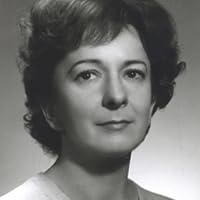
Wisława Szymborska (Polish pronunciation: [vʲisˈwava ʂɨmˈbɔrska], born July 2, 1923 in Kórnik, Poland) is a Polish poet, essayist, and translator. She was awarded the 1996 Nobel Prize in Literature. In Poland, her books reach sales rivaling prominent prose authors—although she once remarked in a poem entitled "Some like poetry" [Niektórzy lubią poezję] that no more than two out of a thousand people care for the art. Szymborska frequently employs literary devices such as irony, paradox, contradiction, and understatement, to illuminate philosophical themes and obsessions. Szymborska's compact poems often conjure large existential puzzles, touching on issues of ethical import, and reflecting on the condition of people both as individuals and as members of human society. Szymborska's style is succinct and marked by introspection and wit. Szymborska's reputation rests on a relatively small body of work: she has not published more than 250 poems to date. She is often described as modest to the point of shyness[citation needed]. She has long been cherished by Polish literary contemporaries (including Czesław Miłosz) and her poetry has been set to music by Zbigniew Preisner. Szymborska became better known internationally after she was awarded the 1996 Nobel Prize. Szymborska's work has been translated into many European languages, as well as into Arabic, Hebrew, Japanese and Chinese. In 1931, Szymborska's family moved to Kraków. She has been linked with this city, where she studied, worked. When World War II broke out in 1939, she continued her education in underground lessons. From 1943, she worked as a railroad employee and managed to avoid being deported to Germany as a forced labourer. It was during this time that her career as an artist began with illustrations for an English-language textbook. She also began writing stories and occasional poems. Beginning in 1945, Szymborska took up studies of Polish language and literature before switching to sociology at the Jagiellonian University in Kraków. There she soon became involved in the local writing scene, and met and was influenced by Czesław Miłosz. In March 1945, she published her first poem Szukam słowa ("I seek the word") in the daily paper Dziennik Polski; her poems continued to be published in various newspapers and periodicals for a number of years. In 1948 she quit her studies without a degree, due to her poor financial circumstances; the same year, she married poet Adam Włodek, whom she divorced in 1954. At that time, she was working as a secretary for an educational biweekly magazine as well as an illustrator. During Stalinism in Poland in 1953 she participated in the defamation of Catholic priests from Kraków who were groundlessly condemned by the ruling Communists to death.[1] Her first book was to be published in 1949, but did not pass censorship as it "did not meet socialist requirements." Like many other intellectuals in post-war Poland, however, Szymborska remained loyal to the PRL official ideology early in her career, signing political petitions and praising Stalin, Lenin and the realities of socialism. This attitude is seen in her debut collection Dlatego żyjemy ("That is what we are living for"), containing the poems Lenin and Młodzieży budującej Nową Hutę ("For the Youth that Builds Nowa Huta"), about the construction of a Stalinist industrial town near Kraków. She also became a member of the ruling Polish United Workers' Party. Like many Polish intellectuals initially close to the official party line, Szymborska gradually grew estranged from socialist ideology and renounced her earlier political work. Although she did not officially leave the party until 1966, she began to establish contacts with dissidents. As early as 1957, she befriended Jerzy Giedroyc, the editor of the influential Paris-based emigré journal Kultura, to which she also contributed. In 1964 s

548 Market St PMB 65688, San Francisco California 94104-5401 USA
© 2026 Paratext Inc. All rights reserved